EN
EN

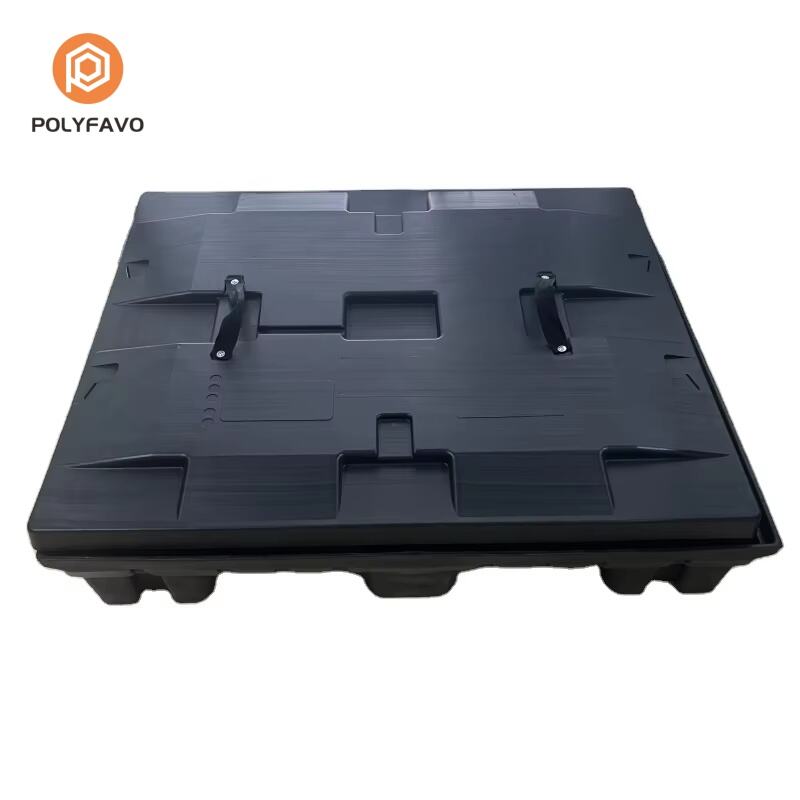
Getting the dimensions right on a pallet sleeve box is one of the most practical decisions a warehouse manager, packaging engineer, or logistics coordinator will make. A poorly fitted sleeve causes product shifting during transit, increases the risk of stack collapse, and wastes valuable floor space in storage facilities. Whether you are sourcing a pallet sleeve box for the first time or redesigning your packaging line around a standard 48×40 pallet footprint, understanding how to measure accurately before ordering is the single most important step you can take.
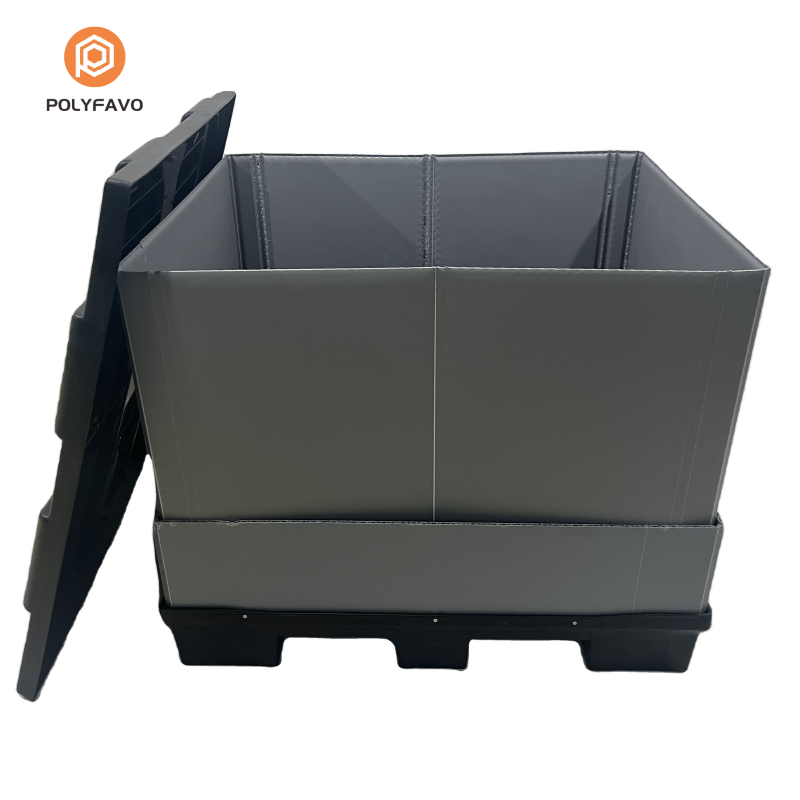
The 48×40 inch pallet is the dominant standard in North American supply chains and is widely used globally by companies aligned with GMA or CHEP specifications. When you pair this pallet with a correctly sized pallet sleeve box, you create a reusable, stackable, and dimensionally consistent shipping unit that reduces packaging waste and improves handling efficiency from the warehouse floor all the way to the end recipient. This guide walks you through every measurement step, explains the critical tolerances involved, and helps you communicate your requirements clearly to any manufacturer or supplier.
Understanding the Core Components of a Pallet Sleeve Box
The Sleeve
The sleeve is the collapsible side wall structure of the pallet sleeve box. It is typically made from corrugated fiberboard, though heavy-duty variants may use solid board, wood-reinforced panels, or plastic-composite materials. The sleeve sits between the base pallet and the top cap, creating an enclosed volume that holds goods in place during transport and storage.
When measuring for a custom sleeve, you need to record both the interior dimensions — which determine the usable cargo space — and the exterior dimensions, which affect how units stack and how many can fit in a trailer or container. Most packaging engineers focus exclusively on interior volume and overlook the exterior envelope, which leads to stacking incompatibilities and inefficient trailer loading.
The sleeve height is adjustable in many custom configurations, which is a key advantage of the pallet sleeve box format. Unlike a fixed-wall bulk container, a sleeve system allows you to order multiple heights for the same footprint, making it suitable for products that vary seasonally or by SKU without requiring entirely different tooling.
The Base Pallet and Top Cap
The base pallet for a standard 48×40 system measures 48 inches in length and 40 inches in width, though actual deck surface dimensions can vary slightly depending on whether a stringer pallet or block pallet design is used. The top cap mirrors these outer dimensions and provides the flat loading surface for units stacked above. For the complete pallet sleeve box system to function correctly, all three components — base, sleeve, and cap — must share compatible dimensions.
In practice, the top cap and the pallet base often share identical outer dimensions but differ in thickness. A standard corrugated cap typically measures 3mm to 7mm thick, while a solid wood or composite pallet base may be anywhere from 100mm to 150mm tall. These thickness values directly affect how you calculate stacking height limits, which is essential for warehouse racking configurations and transport load planning.
When placing a custom order for a pallet sleeve box, always specify whether the quoted dimensions refer to interior sleeve dimensions, exterior assembled dimensions, or the clear opening dimensions of the sleeve itself. Ambiguity at this stage is the leading cause of misfit deliveries and costly re-orders.
How to Measure for a Perfect Fit: Step-by-Step
Step One — Measure Your Pallet Footprint Accurately
Do not assume your existing 48×40 pallets are exactly 48 by 40 inches. Pallet manufacturing tolerances, wear, and regional spec variations mean actual dimensions can differ by several millimeters. Place the pallet on a flat surface and measure the full outer length, width, and board thickness using a steel tape measure. Record all values in both inches and millimeters to simplify communication with manufacturers operating in metric systems.
Pay particular attention to the pallet deck surface — the area on which the sleeve will sit. If the deck has chamfered edges or overhanging boards, note the net flat area. This is the reference dimension your pallet sleeve box manufacturer will use to cut or mold the sleeve's lower opening, ensuring the sleeve seats flush without rocking or shifting under load.
Also confirm whether your pallets have a consistent profile. Mixed pallet fleets — where some pallets are GMA-spec and others are older wood or plastic variants — can cause fitment problems even within the 48×40 category. A custom pallet sleeve box designed for one pallet variant may not fit securely on another, so standardizing your pallet fleet before finalizing sleeve dimensions is strongly recommended.
Step Two — Define the Required Interior Cargo Space
The interior dimensions of the pallet sleeve box should be defined by your product requirements, not by the pallet's outer footprint. Start by measuring the largest carton, drum, or bag configuration you need to contain. Add a clearance buffer — typically 10mm to 20mm on each side — to allow for packing, variance in carton manufacturing, and ease of loading and unloading.
Height is equally important and often undercalculated. Stack your product units as they would be loaded into the pallet sleeve box and measure the full stacked height. Add clearance above the top layer — at least 15mm — to allow the top cap to seat properly without pressing down on the contents. If you are storing pressurized, fragile, or moisture-sensitive goods, this clearance should be more generous.
Document these interior dimensions in a specification sheet you can share directly with the manufacturer. Include diagrams or annotated photographs of the loaded configuration where possible. This level of detail dramatically reduces errors during production and ensures the finished pallet sleeve box serves its intended purpose without modification.
Step Three — Calculate Wall Thickness and Exterior Dimensions
Once interior dimensions are established, you must account for wall thickness to determine the exterior profile of the pallet sleeve box. Corrugated single-wall construction typically adds 4mm to 6mm per side, while double-wall corrugated adds 7mm to 10mm per side. Reinforced or composite-panel sleeves may add 12mm to 20mm or more per wall depending on the material specification.
This exterior dimension is critical because it determines whether assembled units will fit within your racking bays, whether loaded trucks comply with trailer width restrictions, and whether stacked units maintain column stability. For 48×40 pallet systems, most optimized pallet sleeve box designs target an exterior footprint no larger than 1220mm × 1020mm to maintain compatibility with international shipping containers and standard rack bay widths.
If you are operating in a space-constrained warehouse or high-density storage system, it may be worth requesting a thin-wall material upgrade to reduce the exterior profile while preserving interior volume. Many manufacturers offer high-strength board grades that achieve the same compression resistance as standard double-wall at reduced thickness, giving you more usable cargo space per pallet sleeve box without increasing the outer footprint.
Tolerance and Fitment: Why Small Differences Matter
Manufacturing Tolerances in Custom Sleeve Production
When ordering a custom pallet sleeve box, it is important to understand that manufacturing tolerances are unavoidable. Corrugated board cutting typically holds tolerances of ±2mm, while formed plastic or wood-composite panels may hold tighter tolerances of ±1mm or wider at ±5mm depending on the process. Always ask your supplier for their declared dimensional tolerance before finalizing the specification.
A ±2mm tolerance means a sleeve specified at 1000mm interior length could arrive anywhere from 998mm to 1002mm. For most bulk cargo applications, this range is acceptable. However, for closely packed carton configurations where every millimeter of interior space is used, this tolerance range can cause the sleeve to be either too tight — damaging the cargo — or too loose — allowing internal movement during transport.
The best practice is to build your clearance buffer with the maximum manufacturing tolerance in mind. If your supplier declares ±3mm tolerance, add at least 6mm buffer on each measured dimension rather than the minimum 10mm, so that even in a worst-case combination of production variance and cargo variance, your pallet sleeve box still fits correctly and securely.
Nesting and Stacking Fitment on 48×40 Pallets
The 48×40 pallet format is designed with the assumption that units will be stacked in rows aligned with standard racking systems. For a pallet sleeve box to stack securely, the top cap must be dimensionally consistent with the sleeve's exterior profile so that the unit above sits flat without overhang or misalignment. Even a 5mm discrepancy between cap size and sleeve exterior can cause a noticeable lean in a stack of four or more units.
When ordering in volume, request a sample set for fitment testing before full production runs. Test the sleeve on your actual pallet fleet, load it with representative cargo, and stack it under realistic warehouse conditions. This validation step identifies fitment issues that are invisible on a specification sheet but immediately apparent in physical use.
Fitment testing should also cover the collapsing and reassembly process. A pallet sleeve box is designed for reuse, and the speed and ease of assembly directly affects labor efficiency on your packaging line. If the sleeve panels bind, gap unevenly, or resist folding under repeated use, dimensional corrections may be needed before committing to large-scale procurement.
Communicating Custom Size Requirements to Your Manufacturer
Preparing a Complete Dimensional Specification
A well-prepared specification document for a custom pallet sleeve box should include interior length, interior width, and interior height; wall material and declared thickness; exterior envelope dimensions; pallet base dimensions it is designed to fit; top cap dimensions; manufacturing tolerance range accepted; and any special requirements such as ventilation cutouts, fork entry clearances, or print areas.
Providing all this information upfront prevents the most common cause of custom packaging delays, which is back-and-forth clarification between buyer and manufacturer about ambiguous measurements. A manufacturer receiving a complete specification can generate a production drawing immediately, reducing lead time and the risk of dimensional errors in the finished product.
If you are new to ordering a custom pallet sleeve box, consider requesting that the manufacturer issue a dimensional approval drawing before cutting. Review this drawing against your specification before giving production approval. This extra step adds one to three days to the timeline but virtually eliminates the risk of receiving a full production run at the wrong size.
Prototype and Sample Verification Before Full Runs
For first-time orders or significant specification changes, always request a physical prototype before approving full production. A prototype pallet sleeve box allows your team to verify interior fit with real product, test assembly and disassembly speed, evaluate stacking performance, and confirm that the exterior footprint is compatible with your racking, forklift, and transport infrastructure.
Prototyping costs vary depending on material and construction complexity but are almost always justified by the cost savings from avoiding a misfit full run. Document your prototype testing results formally and share written approval or correction notes with the manufacturer before production begins. This creates a clear record and protects both parties in case of disputes about the final product's dimensions.
The investment in proper measurement, specification, and verification ultimately pays for itself in the form of fewer rejects, smoother warehouse operations, and a pallet sleeve box that functions reliably across its intended reuse cycles. Precision at the specification stage is the foundation of a durable and cost-effective packaging system.
FAQ
What is the standard interior size for a pallet sleeve box on a 48×40 pallet?
There is no single universal standard interior size because the interior dimensions of a pallet sleeve box depend on wall material thickness and the specific cargo being contained. For a 48×40 pallet, interior lengths typically range from 1140mm to 1180mm and widths from 940mm to 980mm after accounting for wall thickness. Always derive your interior dimensions from your actual cargo requirements rather than from a generic size chart.
Can a pallet sleeve box be used on non-standard pallets other than 48×40?
Yes, a pallet sleeve box can be custom-manufactured for virtually any pallet footprint, including Euro pallets at 1200×800mm and custom industrial sizes. The key requirement is that the sleeve's lower opening is designed to match the specific pallet base it will seat on. Ordering a sleeve sized for a 48×40 pallet and placing it on a different pallet size will result in poor fitment, instability, and potential load failure.
How much clearance should I add when measuring for a custom pallet sleeve box?
A general best practice is to add 10mm to 20mm of clearance on each interior dimension beyond the measured cargo stack. This buffer accounts for cargo variation, loading ease, and manufacturing tolerances. For the height dimension, add a minimum of 15mm above the tallest point of the loaded cargo so the top cap seats properly without applying downward pressure on the contents inside the pallet sleeve box.
How do I verify that my pallet sleeve box dimensions are correct before a large order?
The most reliable verification method is to request a physical prototype from the manufacturer before approving full production. Load the prototype pallet sleeve box with your actual product, test assembly and collapse cycles, confirm stacking stability, and measure interior dimensions against your specification. Any discrepancies identified at the prototype stage are far less costly to correct than discovering fitment issues after receiving a full production run.
Table of Contents
- Understanding the Core Components of a Pallet Sleeve Box
- How to Measure for a Perfect Fit: Step-by-Step
- Tolerance and Fitment: Why Small Differences Matter
- Communicating Custom Size Requirements to Your Manufacturer
-
FAQ
- What is the standard interior size for a pallet sleeve box on a 48×40 pallet?
- Can a pallet sleeve box be used on non-standard pallets other than 48×40?
- How much clearance should I add when measuring for a custom pallet sleeve box?
- How do I verify that my pallet sleeve box dimensions are correct before a large order?