EN
EN

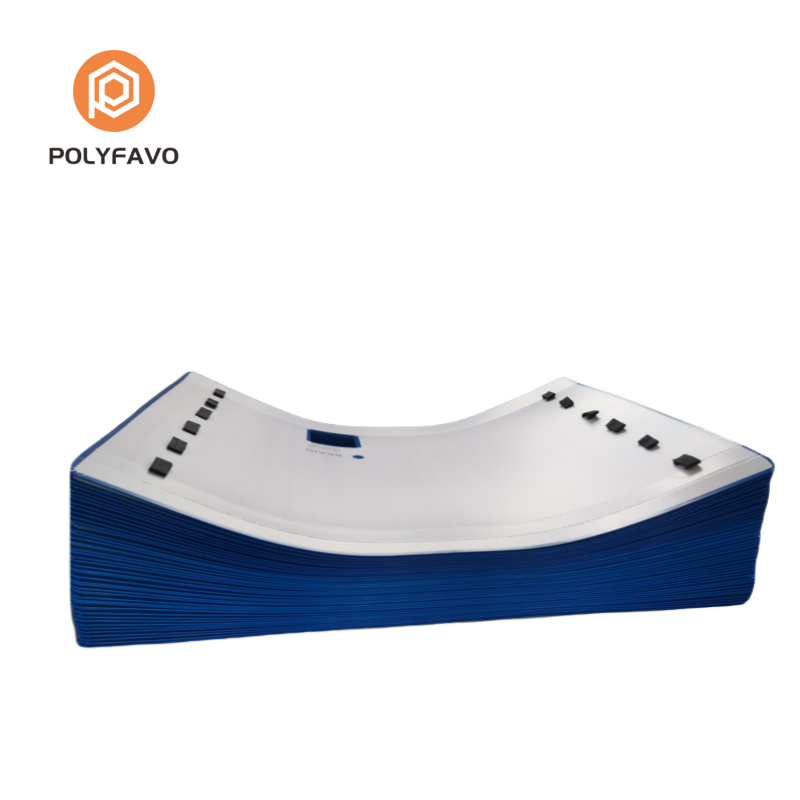
The packaging industry faces unprecedented pressure to reduce environmental impact while maintaining product protection and cost efficiency. Traditional packaging materials often fall short of meeting these dual demands, creating a significant gap in the market for sustainable alternatives. Coroplast sheets have emerged as a revolutionary solution that addresses these challenges head-on, offering businesses an eco-friendly packaging option without compromising on performance or durability. These innovative polypropylene honeycomb structures represent a paradigm shift in how companies approach sustainable packaging solutions.
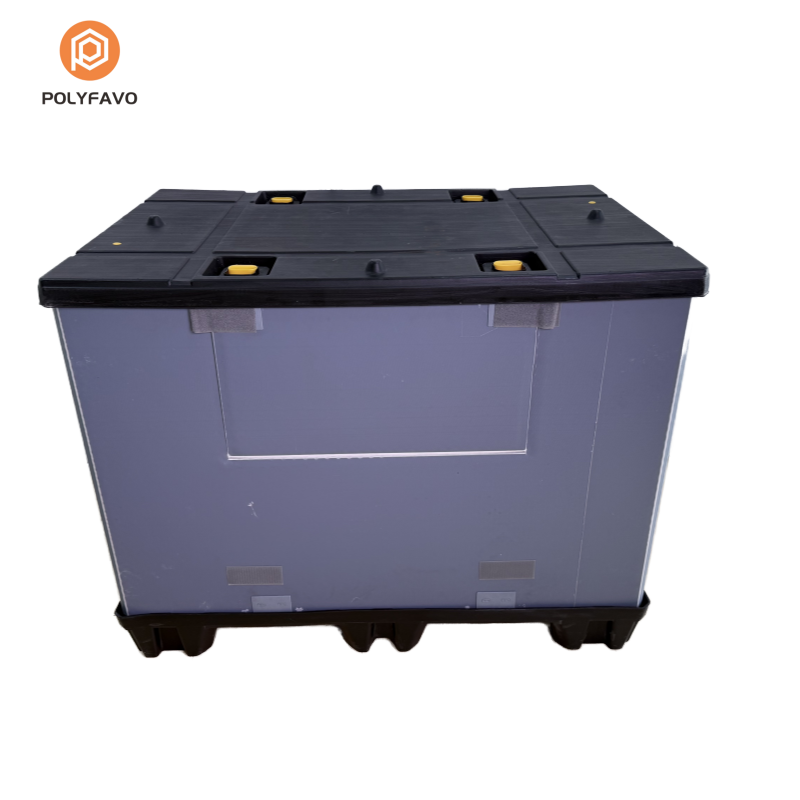
The unique honeycomb structure of these materials provides exceptional strength-to-weight ratios that surpass conventional packaging options. Manufacturers across industries are discovering that coroplast sheets offer superior protection for their products while significantly reducing shipping costs and carbon footprints. The versatility of these materials extends beyond basic packaging applications, encompassing protective inserts, dividers, and custom-formed solutions that adapt to virtually any product configuration.
Environmental Benefits of PP Honeycomb Materials
Recyclability and Circular Economy Integration
Coroplast sheets excel in environmental performance through their complete recyclability and contribution to circular economy principles. Unlike traditional packaging materials that often end up in landfills, these polypropylene structures can be processed multiple times without significant degradation of their core properties. The recycling process requires minimal energy compared to producing virgin materials, resulting in substantial carbon footprint reductions throughout the product lifecycle. Companies implementing coroplast sheets in their packaging strategies often report achieving their sustainability goals more rapidly than anticipated.
The material composition allows for easy separation and processing in standard recycling facilities, eliminating the need for specialized disposal methods. This accessibility ensures that end-users can dispose of packaging responsibly without additional infrastructure requirements. The closed-loop recycling potential means that today's packaging can become tomorrow's raw material, creating a sustainable cycle that benefits both businesses and environmental conservation efforts.
Carbon Footprint Reduction Strategies
Manufacturing coroplast sheets requires significantly less energy than producing equivalent protective packaging from alternative materials. The production process generates fewer emissions per unit of protective capacity, making these materials an ideal choice for companies committed to reducing their environmental impact. The lightweight nature of the honeycomb structure translates directly into reduced transportation emissions, as more products can be shipped using less fuel and fewer vehicles.
Life cycle assessments consistently demonstrate that coroplast sheets outperform traditional packaging materials across multiple environmental metrics. From raw material extraction through end-of-life disposal, these materials maintain a lower environmental impact profile while delivering superior performance characteristics. Companies utilizing these solutions often experience measurable improvements in their overall carbon accounting and environmental reporting metrics.
Superior Performance Characteristics
Structural Integrity and Protection Capabilities
The honeycomb architecture of coroplast sheets provides exceptional crush resistance and impact protection that rivals much heavier alternatives. This structural efficiency stems from the geometric distribution of forces throughout the material, creating multiple load-bearing points that prevent localized failures. Products packaged using these materials experience significantly lower damage rates during shipping and handling, reducing replacement costs and customer satisfaction issues.
Impact testing reveals that coroplast sheets maintain their protective properties across wide temperature ranges and humidity conditions. The material's resistance to compression fatigue ensures that packaging maintains its protective capabilities throughout extended storage periods and multiple handling cycles. This durability translates into cost savings through reduced product damage and the ability to reuse packaging components in certain applications.
Chemical Resistance and Durability
Coroplast sheets demonstrate exceptional resistance to chemicals, moisture, and UV radiation that would rapidly degrade other packaging materials. This chemical inertness makes them ideal for protecting sensitive products and ensures that the packaging itself doesn't introduce contaminants or odors. The non-porous surface prevents bacterial growth and makes the material suitable for food-grade applications with appropriate certifications.
Long-term durability testing shows that these materials maintain their structural and protective properties for years under normal storage conditions. The resistance to environmental factors means that packaging can be stored indefinitely without degradation, providing inventory management flexibility and reducing waste from expired packaging materials. This longevity contributes to the overall cost-effectiveness and environmental benefits of choosing coroplast sheets for packaging applications.
Cost-Effectiveness and Economic Advantages
Initial Investment and Long-Term Savings
While coroplast sheets may have higher initial costs compared to basic cardboard alternatives, the total cost of ownership proves significantly more favorable when considering durability, reusability, and damage reduction benefits. Companies typically see return on investment within the first year of implementation through reduced product damage claims and shipping cost savings. The lightweight properties directly translate into lower freight charges, especially for high-volume shippers operating under dimensional weight pricing models.
Reusability factors extend the economic advantages further, as many applications allow for multiple use cycles before replacement becomes necessary. Internal studies by logistics companies show that coroplast sheets can often be reused dozens of times in appropriate applications, dramatically reducing per-shipment packaging costs. The material's resistance to wear and cleaning compatibility enables cost-effective sanitization and refurbishment processes.
Supply Chain Optimization Benefits
Implementation of coroplast sheets in packaging operations often enables supply chain simplification through standardization and improved handling efficiency. The consistent dimensions and stackability of these materials reduce warehouse complexity and improve space utilization rates. Automated packaging systems integrate more easily with the predictable properties of coroplast sheets, enabling higher throughput rates and reduced labor costs.
The durability and protective capabilities allow for reduced packaging complexity in many applications, eliminating the need for multiple protective layers or specialized cushioning materials. This simplification reduces inventory management complexity and purchasing overhead while improving packaging line efficiency. Companies report significant reductions in packaging-related quality issues and customer complaints after transitioning to coroplast sheets.
Industry Applications and Versatility
Electronics and Technology Sector
Electronics manufacturers have embraced coroplast sheets for their anti-static properties and ability to provide precise dimensional control for sensitive components. The material's electrical properties prevent static discharge damage while maintaining the structural protection necessary for delicate circuit boards and components. Custom die-cutting capabilities allow for exact fitment around irregular shapes and connector configurations.
Temperature stability ensures that packaging maintains its protective properties throughout the temperature cycling common in electronics supply chains. The chemical inertness prevents corrosion of sensitive metal components and eliminates outgassing concerns that could affect product performance. Many electronics companies have standardized on coroplast sheets for both internal logistics and customer shipments due to these performance advantages.
Automotive and Industrial Applications
Automotive suppliers utilize coroplast sheets extensively for protecting finished parts during shipment and storage, taking advantage of the material's resistance to automotive fluids and cleaning chemicals. The ability to create custom configurations accommodates complex part geometries while providing reliable protection against scratches and impact damage. Just-in-time manufacturing processes benefit from the consistent availability and quick turnaround times possible with these materials.
Industrial applications leverage the chemical resistance and durability of coroplast sheets for protecting machinery components and tools during shipping and long-term storage. The materials maintain their properties in harsh industrial environments where temperature extremes and chemical exposure would rapidly degrade alternative packaging options. Many industrial companies have eliminated secondary packaging requirements by implementing properly designed coroplast sheet solutions.
Manufacturing and Customization Options
Design Flexibility and Engineering Support
Modern manufacturing processes enable virtually unlimited customization options for coroplast sheets, from simple die-cutting to complex three-dimensional forming operations. Computer-aided design tools allow engineers to optimize packaging configurations for specific products while minimizing material usage and maximizing protection. The thermoforming capabilities of these materials enable creation of complex shapes that conform precisely to product contours.
Prototyping services allow companies to test and refine packaging designs before committing to production tooling, reducing development costs and time-to-market for new products. The rapid prototyping capabilities using coroplast sheets enable iterative design improvements that optimize both protection and cost-effectiveness. Many manufacturers offer engineering support services to help customers develop optimal packaging solutions for their specific applications.
Quality Control and Consistency Standards
Manufacturing quality control processes ensure that coroplast sheets meet stringent dimensional tolerances and performance specifications batch after batch. Statistical process control methods monitor key characteristics throughout production, maintaining consistency that enables automated packaging processes and predictable performance. Quality certifications available for various applications provide assurance for regulated industries and critical applications.
Testing protocols verify that coroplast sheets maintain their protective properties across the full range of expected operating conditions. Accelerated aging tests simulate years of storage and handling to ensure long-term reliability. The manufacturing processes incorporate quality checkpoints that prevent defective materials from reaching customers, maintaining the reputation for reliability that these materials have earned across diverse industries.
Implementation Best Practices
Transition Planning and Integration
Successful implementation of coroplast sheets requires careful planning to integrate new packaging processes with existing operations and systems. Companies benefit from conducting pilot programs that allow evaluation of performance and identification of optimization opportunities before full-scale deployment. Training programs ensure that packaging personnel understand proper handling and assembly techniques for maximizing the benefits of these materials.
Integration with existing warehouse management systems requires consideration of the different handling characteristics and storage requirements of coroplast sheets compared to traditional packaging materials. The reusability aspects may require modifications to inventory tracking systems and return logistics processes. Successful implementations typically involve cross-functional teams that address operational, financial, and environmental aspects of the transition.
Maintenance and Lifecycle Management
Proper maintenance practices extend the useful life of coroplast sheets and maximize the return on investment for reusable applications. Cleaning protocols developed for specific use cases ensure that materials remain hygienic and functional across multiple use cycles. Inspection procedures help identify when materials should be retired or recycled to maintain optimal performance standards.
Lifecycle management systems track usage patterns and performance metrics to optimize replacement schedules and inventory levels. Many companies implement tracking systems that monitor the condition and usage history of individual packaging components, enabling data-driven decisions about maintenance and replacement timing. These systems often reveal opportunities for further cost savings and performance improvements through refined operational practices.
FAQ
What makes coroplast sheets more environmentally friendly than traditional packaging
Coroplast sheets offer superior environmental benefits through complete recyclability, reduced manufacturing energy requirements, and lightweight properties that minimize transportation emissions. Unlike many traditional packaging materials, they can be recycled multiple times without significant property degradation, supporting circular economy principles and reducing landfill waste.
How do coroplast sheets compare in cost to conventional packaging materials
While initial costs may be higher, coroplast sheets typically provide better total cost of ownership through reduced product damage, lower shipping costs due to weight savings, and reusability in many applications. Most companies achieve positive return on investment within the first year through these combined savings.
Can coroplast sheets be customized for specific product protection needs
Yes, coroplast sheets offer extensive customization options including die-cutting, thermoforming, and three-dimensional shaping to accommodate virtually any product configuration. Modern manufacturing processes enable rapid prototyping and design optimization to create packaging solutions that maximize protection while minimizing material usage.
What industries benefit most from using coroplast sheets in their packaging
Electronics, automotive, industrial equipment, and consumer goods industries see significant benefits from coroplast sheets due to their chemical resistance, anti-static properties, and superior protection capabilities. Any industry requiring reliable product protection during shipping and storage can benefit from these versatile materials.
Table of Contents
- Environmental Benefits of PP Honeycomb Materials
- Superior Performance Characteristics
- Cost-Effectiveness and Economic Advantages
- Industry Applications and Versatility
- Manufacturing and Customization Options
- Implementation Best Practices
-
FAQ
- What makes coroplast sheets more environmentally friendly than traditional packaging
- How do coroplast sheets compare in cost to conventional packaging materials
- Can coroplast sheets be customized for specific product protection needs
- What industries benefit most from using coroplast sheets in their packaging