EN
EN

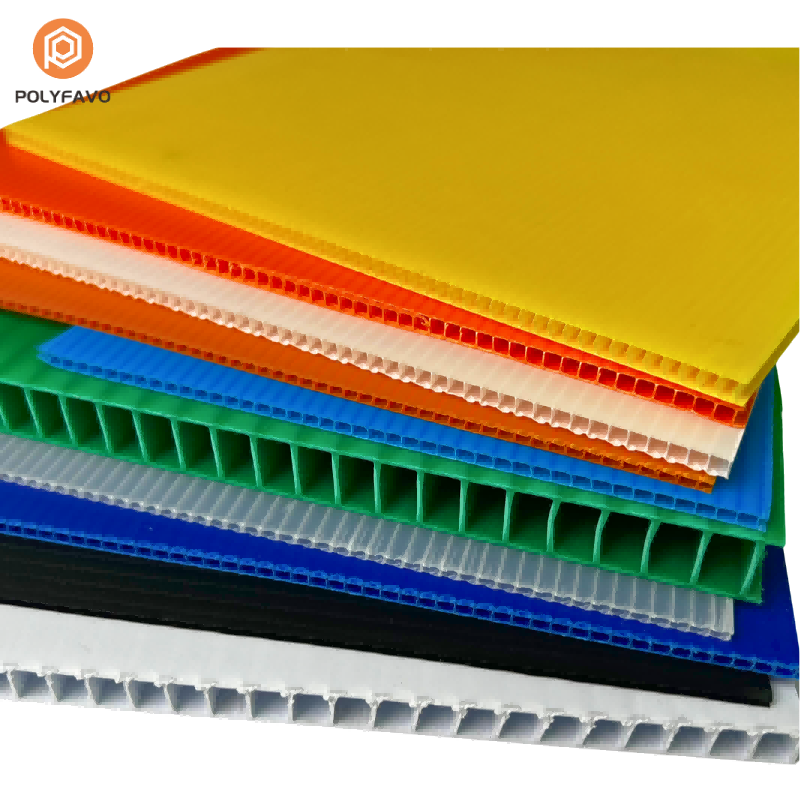
When it comes to versatile, affordable, and easy-to-work-with materials for home improvement, corrugated plastic has quietly become one of the most practical choices available to DIY enthusiasts. Lightweight yet surprisingly durable, this fluted sheet material can be cut, shaped, and assembled with basic household tools, making it accessible to beginners and experienced makers alike. Whether you are tackling a weekend garden project or building a functional storage solution for your garage, corrugated plastic offers a combination of properties that few other materials can match at the same price point.
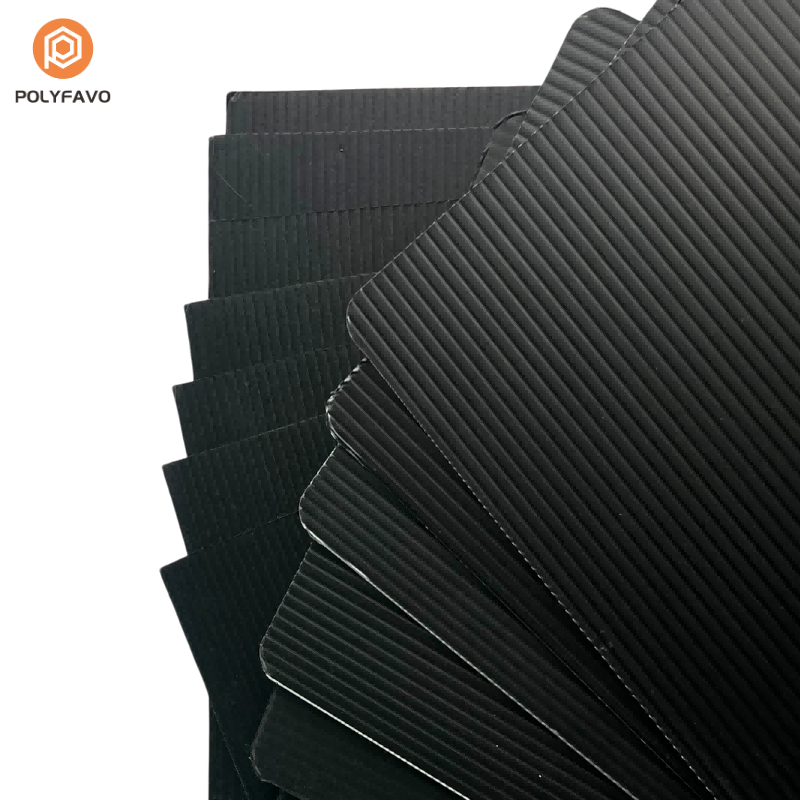
Corrugated plastic, often sold under the generic name twin-wall polypropylene or fluted polypropylene sheet, is the same material used in professional signage, packaging, and agricultural applications. Its hollow fluted core gives it structural rigidity without adding significant weight, and its polypropylene composition makes it resistant to moisture, mild chemicals, and UV exposure when treated. For home DIY projects, these characteristics translate into a material that holds up outdoors, cleans easily, and can be repurposed across dozens of creative applications. The sections below explore the most practical and popular ways homeowners are putting corrugated plastic to work right now.
Garden and Outdoor Applications
Raised Garden Bed Liners and Dividers
One of the most popular outdoor uses for corrugated plastic is as a liner or internal divider inside raised garden beds. The material acts as a barrier between the soil and the wooden frame of the bed, slowing moisture transfer and reducing rot in the timber. Because corrugated plastic is impervious to water absorption, it does not degrade the way cardboard or thin plastic sheeting does after a single growing season.
Gardeners also use strips of corrugated plastic to create internal compartments within a single raised bed, separating plants with different watering or soil requirements. Cutting the sheets to size requires nothing more than a utility knife and a straight edge, and the lightweight nature of the material means installation is a one-person job. The smooth surface also discourages certain soil pests from establishing themselves along the bed walls.
Temporary Greenhouse Panels and Cold Frames
Corrugated plastic is widely used as a glazing material for small DIY greenhouses and cold frames because it transmits diffused light while providing a meaningful degree of thermal insulation. The air trapped inside the fluted channels acts as a buffer against temperature drops, helping seedlings survive late frosts without the need for supplemental heating. A simple cold frame built from timber offcuts and a few sheets of corrugated plastic can extend the growing season by several weeks at either end of the year.
Unlike glass, corrugated plastic will not shatter if a tool is accidentally dropped on it or if hail strikes during a storm. This makes it a genuinely practical choice for structures that are handled frequently or located in exposed positions. The panels can be removed, cleaned, and stored flat during summer months, then reinstalled when temperatures begin to fall again.
Storage and Organization Solutions
Custom Garage Shelving Backs and Bin Dividers
Inside the garage or workshop, corrugated plastic serves as an excellent backing material for open shelving units. Attaching a sheet to the back of a metal or wooden shelf frame prevents small items from falling through the gap between the shelf and the wall, and the smooth surface makes it easy to wipe down after dusty projects. The rigidity of corrugated plastic means it holds its shape without sagging, even when cut into large panels.
Bin dividers made from corrugated plastic are another practical application. By cutting strips to the interior dimensions of storage bins or drawer units, you can create custom compartments for hardware, craft supplies, or hobby components. The material is easy to trim to exact sizes, and because it is so lightweight, the dividers do not add meaningful weight to the bins themselves.
Lightweight Storage Box Construction
Flat-pack storage boxes assembled from corrugated plastic are a staple of the DIY community because they can be built to any dimension without specialist tools. The sheets are scored and folded along the flute lines to create clean right-angle bends, and the panels are joined using plastic rivets, zip ties, or purpose-made corner connectors. The resulting boxes are waterproof, stackable, and far lighter than equivalent wooden or metal containers.
These custom boxes are particularly useful for storing seasonal items in attics or basements where humidity fluctuates. Because corrugated plastic does not absorb moisture, the contents remain dry even in damp conditions. Labels adhere well to the smooth outer surface, and the boxes can be disassembled and stored flat when not in use, saving significant space.
Signage, Displays, and Creative Projects
Homemade Signs and Notice Boards
Corrugated plastic is the substrate of choice for outdoor signage in professional contexts, and the same properties that make it suitable for commercial use translate directly into home DIY applications. Homeowners use it to create house number signs, garden labels, driveway markers, and temporary event signage. The surface accepts paint, vinyl lettering, and permanent markers without requiring any primer or surface preparation.
For indoor use, a sheet of corrugated plastic mounted on a wall or door makes an effective notice board or message center. Pushpins penetrate the surface cleanly and hold securely in the fluted core, and the board can be repainted or recovered with fabric if the aesthetic needs to change. The lightweight nature of corrugated plastic means it can be hung with adhesive strips rather than screws, avoiding damage to the wall behind it.
Children's Play Structures and Craft Projects
The combination of light weight, easy cutting, and structural rigidity makes corrugated plastic an excellent material for building children's play props and craft projects. Playhouses, puppet theaters, rocket ships, and castle facades can all be constructed from corrugated plastic sheets using nothing more than a craft knife, tape, and paint. The material is safe to handle, produces no splinters, and can be decorated with standard craft paints.
School and community groups frequently use corrugated plastic for large-scale display boards and parade floats because it is inexpensive enough to use in quantity and robust enough to survive outdoor events. For home use, the same logic applies: corrugated plastic allows ambitious creative projects without a significant material investment, and any leftover pieces can be stored flat for future use.
Home Improvement and Protective Applications
Floor and Surface Protection During Renovation
During home renovation projects, protecting finished floors and surfaces from paint drips, tool scratches, and foot traffic is a constant concern. Corrugated plastic sheets laid flat on hardwood, tile, or laminate flooring provide a rigid, non-slip protective layer that is far more effective than thin plastic sheeting or cardboard. The fluted structure absorbs minor impacts and prevents point loads from tools or ladders from concentrating on a single spot on the floor below.
The sheets can be taped together at the edges to cover large areas and then lifted and reused on subsequent projects. Because corrugated plastic does not absorb paint or adhesive, any spills can be wiped clean rather than soaking through to the surface below. At the end of a project, the sheets can be stored vertically in a corner of the garage, ready for the next renovation job.
Draft Exclusion and Temporary Window Boarding
Corrugated plastic cut to the size of a window or door frame makes an effective temporary barrier during renovation work or in the period between removing an old window and installing a new one. The material is rigid enough to stay in place without additional support, and its thermal properties provide a modest degree of insulation compared to leaving an opening completely exposed. For basement windows or outbuilding openings that are rarely used, corrugated plastic panels can serve as a semi-permanent solution that is far easier to install and remove than timber boarding.
In older homes with drafty gaps around pipes, vents, or service entries, strips of corrugated plastic can be shaped and fitted as draft excluders. The material compresses slightly under pressure, creating a reasonable seal, and it does not degrade when exposed to the temperature fluctuations typical of wall cavities or crawl spaces. This is a low-cost, low-effort application that can make a noticeable difference to comfort and energy efficiency.
Functional Outdoor Structures
DIY Compost Bin Construction
A compost bin built from corrugated plastic is one of the most practical and cost-effective garden structures a homeowner can make. The sheets are cut to size and assembled into a square or rectangular enclosure using corner posts and cable ties or screws. Ventilation holes can be drilled or punched through the panels to encourage airflow, and a removable front panel allows easy access for turning the compost and removing finished material.
Because corrugated plastic is resistant to the acids and moisture produced during composting, the bin will last for many years without rotting or corroding. The smooth inner surface also makes it easy to clean out at the end of each season. Compared to timber compost bins, a corrugated plastic version is lighter, easier to relocate, and requires no painting or preservative treatment to maintain its condition.
Shed Cladding and Roof Panels for Small Structures
For small garden sheds, tool stores, and animal shelters, corrugated plastic provides a practical cladding and roofing option that is significantly lighter than timber boarding or metal sheeting. The panels are fixed to a simple timber frame using roofing screws with washers, and the overlapping installation method creates a weatherproof skin that sheds rain effectively. The translucent versions of corrugated plastic allow natural light into the structure without the need for a separate window.
The low weight of corrugated plastic means that the supporting frame can be built from lighter timber sections than would be needed for heavier cladding materials, reducing both material cost and construction complexity. For a first-time shed builder, this simplification can make the difference between a project that gets completed and one that stalls at the framing stage. The panels are also easy to replace individually if one section is damaged, without needing to dismantle the entire structure.
FAQ
Is corrugated plastic safe to use in vegetable gardens?
Yes, corrugated plastic made from polypropylene is generally considered safe for use in vegetable gardens. Polypropylene is a food-contact-approved plastic that does not leach harmful chemicals into soil under normal garden conditions. It is widely used in food packaging and agricultural applications for this reason. If you are concerned, look for sheets that are explicitly labeled as food-safe or agricultural-grade.
Can corrugated plastic be painted for outdoor use?
Corrugated plastic can be painted, but the smooth polypropylene surface requires some preparation to ensure adhesion. Lightly sanding the surface with fine-grit sandpaper and applying a plastic-compatible primer before painting will significantly improve how well the paint bonds. For outdoor use, choose an exterior-grade paint or a spray paint formulated for plastics to ensure the finish holds up against UV exposure and moisture.
How do you cut corrugated plastic cleanly at home?
The easiest way to cut corrugated plastic is with a sharp utility knife and a metal straight edge. Score the surface firmly along the cut line, then bend the sheet away from the score to snap it cleanly. For curved cuts or more complex shapes, a jigsaw fitted with a fine-tooth blade works well. Cutting along the direction of the flutes produces the cleanest results, while cutting across the flutes may require a second scoring pass to avoid tearing.
How long does corrugated plastic last outdoors?
The outdoor lifespan of corrugated plastic depends on the grade of material and whether it includes UV stabilizers. Standard corrugated plastic without UV treatment may begin to become brittle after one to two years of direct sun exposure. UV-stabilized grades, which are widely available, are typically rated for five years or more of outdoor use. Keeping the sheets clean and avoiding prolonged contact with sharp objects or heavy loads will help maximize their service life.