EN
EN

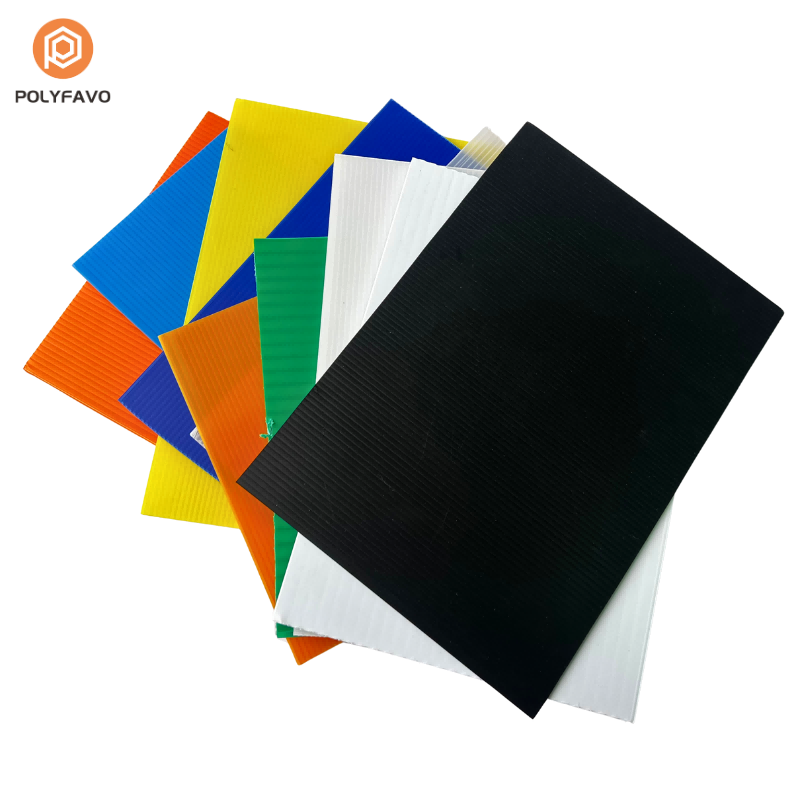
Whether you are managing a construction project, designing retail signage, organizing a greenhouse, or planning a packaging solution, the material you choose directly impacts performance, durability, and cost. corrugated plastic sheets have become one of the most versatile and widely adopted materials across industrial, commercial, and creative applications. With so many thickness grades, color options, and specialty formulations entering the market heading into 2026, knowing how to make the right selection has never been more important.
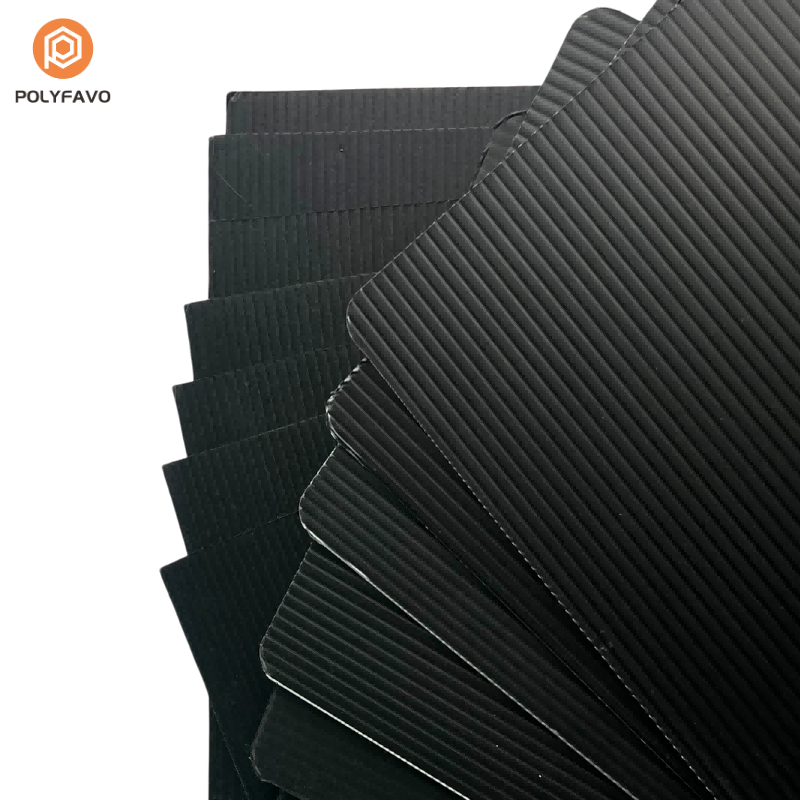
This guide is built specifically for buyers, project managers, and decision-makers who need practical, actionable criteria to match corrugated plastic sheets to real-world project demands. We will walk through material composition, key selection factors, application scenarios, and common specification mistakes to help you make a confident, well-informed choice before committing to an order in 2026.
Understanding What Corrugated Plastic Sheets Are Made Of
The Core Structure Behind the Material
Corrugated plastic sheets are twin-wall or multi-wall panels typically manufactured from polypropylene (PP) or high-density polyethylene (HDPE). The material features a fluted internal structure sandwiched between two flat outer layers, creating a lightweight yet rigid board. This architecture gives corrugated plastic sheets their characteristic combination of stiffness and low weight that is difficult to replicate with solid plastic or cardboard alternatives.
Polypropylene-based corrugated plastic sheets dominate the commercial market due to their excellent chemical resistance, moisture impermeability, and recyclability. HDPE variants offer higher impact resistance and are often preferred for outdoor or heavy-duty industrial environments. Understanding which polymer forms the base of your corrugated plastic sheets is the first technical checkpoint in any selection process.
The flute channels running through the interior of corrugated plastic sheets also influence airflow, insulation value, and the overall rigidity of the panel. Thicker fluted cores generally produce stiffer boards, while the flute direction affects how the sheet bends or remains rigid in a given orientation. These internal geometry details matter significantly when designing enclosures, partitions, or structural panels.
Thickness Grades and What They Mean for Your Project
Corrugated plastic sheets are available in a range of thicknesses, most commonly from 2mm up to 10mm, with 4mm and 6mm being the most widely specified in general commercial use. Thinner sheets in the 2mm to 3mm range are typically chosen for lightweight signage, temporary barriers, or craft applications where rigidity requirements are minimal. Thicker panels at 6mm to 10mm are engineered for structural uses such as protective flooring, reusable packaging inserts, or heavy-duty outdoor enclosures.
When specifying corrugated plastic sheets by thickness, buyers should also pay attention to the sheet weight per square meter, as this directly influences handling cost, shipping cost, and ease of installation. A 4mm sheet typically weighs between 400g and 600g per square meter depending on the resin grade and flute design. This makes corrugated plastic sheets considerably lighter than wood or metal alternatives of comparable rigidity, a key advantage in logistics and installation-sensitive applications.
Key Selection Criteria for Matching Sheets to Project Needs
Load-Bearing and Structural Requirements
One of the most critical selection decisions when specifying corrugated plastic sheets involves defining the structural load the material must bear. For applications such as floor protection during construction, reusable crate liners, or agricultural greenhouse panels, the sheet must resist both static loads and dynamic impact without deforming or cracking. Specifying by compressive strength and flexural rigidity, rather than thickness alone, produces more reliable results.
Most manufacturers provide technical data sheets that include compressive strength ratings for corrugated plastic sheets measured in kilonewtons per square meter. Reviewing this data relative to the actual loads your project will place on the material ensures you are selecting the correct grade rather than over-specifying an expensive option or under-specifying and risking premature failure. For projects involving stacked storage or heavy foot traffic, opting for 6mm or higher corrugated plastic sheets with verified compressive ratings is strongly advisable.
Beyond static loads, consider dynamic impacts. Construction site protection panels are regularly subjected to dropped tools, wheel traffic, and surface abrasion. In these cases, the impact resistance of the specific polypropylene grade used in your corrugated plastic sheets matters as much as the nominal thickness. High-impact PP formulations offer meaningfully better performance than standard PP at equivalent thicknesses.
UV Resistance and Outdoor Durability
For any project involving outdoor exposure, UV stabilization is a non-negotiable specification point when selecting corrugated plastic sheets. Standard polypropylene without UV additives will degrade, discolor, and embrittle within weeks of direct sunlight exposure. UV-stabilized corrugated plastic sheets incorporate hindered amine light stabilizers (HALS) or UV absorbers into the resin, extending functional outdoor lifespan to several years depending on geographic location and sun intensity.
When reviewing UV-rated corrugated plastic sheets, look for specific guarantees of color stability and structural integrity under UV exposure, typically expressed in hours of UV exposure testing per relevant ASTM or ISO standards. A sheet rated for 5,000 hours of UV exposure offers a meaningfully different outdoor service life than one rated for 1,000 hours. For permanent outdoor installations such as greenhouse cladding, roofing overlays, or roadside signage, investing in properly UV-stabilized corrugated plastic sheets avoids costly early replacement.
Color choices in corrugated plastic sheets can also affect UV durability. Darker colors, particularly black, typically incorporate carbon black as a UV stabilizer, making them inherently more UV-resistant than lighter or translucent variants. Translucent corrugated plastic sheets for greenhouse or skylight applications require specifically engineered UV-protective coatings or stabilizer packages to achieve comparable outdoor lifespans.
Surface Quality and Print Compatibility
For signage, point-of-purchase displays, and advertising applications, the surface quality of corrugated plastic sheets determines the quality and longevity of printed graphics. Smooth-surface PP corrugated plastic sheets accept solvent inkjet printing, UV flatbed printing, and screen printing effectively when the surface is properly corona-treated to achieve adequate ink adhesion. Untreated or low-dyne-level surfaces will cause ink to bead, smear, or peel prematurely.
Buyers in the print and display sector should always confirm the surface dyne level of corrugated plastic sheets at the time of purchase, as corona treatment fades over time and with improper storage. Freshly treated corrugated plastic sheets with dyne levels above 38 mN/m provide reliable adhesion for most print systems. For outdoor printed applications, combining UV-stabilized substrate with UV-cured inks provides the most durable long-term result.
Application Scenarios and the Right Sheet Specification
Construction and Site Protection
Construction projects consume substantial volumes of corrugated plastic sheets for floor protection, window boarding, temporary hoarding, and site signage. In these environments, the priority is durability over aesthetics, and gray or black corrugated plastic sheets in 4mm to 6mm thickness are standard. The moisture-proof nature of corrugated plastic sheets makes them far superior to cardboard for protecting finished flooring from water, adhesive spills, and foot traffic damage.
For window and door protection during construction, 4mm corrugated plastic sheets cut to size and secured with tape or strapping provide an effective lightweight solution that is easy to install and remove without surface damage. Reusability is a significant economic advantage of corrugated plastic sheets in construction contexts; a single set of floor protection panels can serve multiple projects before replacement becomes necessary, lowering the overall cost per use considerably.
Agricultural and Greenhouse Use
Corrugated plastic sheets are widely used in greenhouse construction, cold frames, and agricultural enclosures because of their light transmission properties, thermal insulation from the twin-wall structure, and resistance to moisture and agrochemicals. Twin-wall corrugated plastic sheets in 4mm to 6mm thickness allow diffuse light transmission that promotes even plant growth while reducing the risk of scorching from direct sun concentration.
Agricultural buyers should prioritize UV-stabilized corrugated plastic sheets with anti-drip coatings on interior surfaces for greenhouse cladding applications. Anti-drip treatment prevents water condensation from forming droplets that damage crops, instead causing moisture to flow down the sheet surface as a thin film. This feature significantly improves the functional value of corrugated plastic sheets in humid growing environments.
Packaging and Logistics
Reusable corrugated plastic sheets have largely replaced single-use cardboard in many industrial packaging and pallet separation applications. Their moisture resistance, chemical inertness, and durability across hundreds of use cycles make corrugated plastic sheets an economically and environmentally superior option for partition inserts, layer pads, and crate liners in food, automotive, and electronics supply chains.
For packaging applications, dimensional stability across a wide temperature range is a critical specification. Corrugated plastic sheets used in refrigerated storage or heated manufacturing environments must maintain flatness and structural integrity without warping or delaminating. High-quality polypropylene corrugated plastic sheets typically perform well between minus 20 degrees Celsius and plus 80 degrees Celsius, covering the range of most industrial logistics and food processing applications.
Common Specification Mistakes and How to Avoid Them
Selecting by Price Alone Without Verifying Technical Specifications
One of the most frequent and costly errors buyers make when sourcing corrugated plastic sheets is prioritizing the lowest unit price without verifying that the product meets the technical requirements of the project. Budget-priced corrugated plastic sheets may use lower resin grades, reduced wall thickness, wider flute spacing, or insufficient stabilizer packages. These compromises often manifest as premature brittleness, warping, surface delamination, or color fading within weeks of deployment.
A structured specification checklist comparing resin grade, actual measured thickness, surface dyne level, UV stabilization rating, and compressive strength across competing corrugated plastic sheets options provides a far more reliable basis for procurement decisions than price comparisons alone. In most industrial applications, even a modest uplift in specification grade significantly extends the service life of corrugated plastic sheets and reduces total cost of ownership.
Ignoring Flute Direction During Fabrication Planning
Corrugated plastic sheets have directional rigidity that is often overlooked during the design and fabrication planning stage. The internal flutes run in one direction along the sheet length, meaning the panel resists bending far more effectively parallel to the flute direction than perpendicular to it. Cutting, scoring, folding, or loading corrugated plastic sheets without considering flute direction can result in unexpectedly weak or flexible panels that fail to perform as intended.
For applications requiring stiffness in a specific orientation, confirm flute direction against your panel layout before ordering. Some corrugated plastic sheets suppliers can provide sheets with custom flute orientations or cross-laminated constructions for applications demanding multi-directional rigidity. Addressing this early in the design phase prevents costly remakes and installation failures that only become apparent after production is underway.
FAQ
How long do corrugated plastic sheets typically last outdoors?
The outdoor lifespan of corrugated plastic sheets depends heavily on UV stabilization quality, color, and geographic sun exposure. UV-stabilized corrugated plastic sheets used in outdoor applications typically maintain structural integrity and color stability for three to seven years under normal conditions. In high-UV regions, selecting sheets with premium HALS-based stabilization and darker colorways extends this lifespan further.
Can corrugated plastic sheets be recycled at end of life?
Yes, polypropylene corrugated plastic sheets are fully recyclable within standard PP recycling streams. At end of life, corrugated plastic sheets should be separated by resin type and submitted to appropriate plastic recycling facilities. Many industrial users of corrugated plastic sheets participate in closed-loop return programs with their suppliers to ensure recycling and reduce procurement costs through material recovery.
What is the standard sheet size for corrugated plastic sheets?
The most common standard sheet size for corrugated plastic sheets is 1220mm by 2440mm, mirroring standard plywood dimensions for compatibility with existing cutting and handling equipment. However, corrugated plastic sheets are also available in custom sizes and roll formats for high-volume applications. Confirming standard versus custom sizing requirements at the specification stage helps avoid unnecessary cutting waste and premium tooling charges.
Are corrugated plastic sheets safe for food contact applications?
Food-grade corrugated plastic sheets manufactured from virgin polypropylene resins and free of heavy-metal-based pigments or non-compliant additives can meet food contact safety standards in many jurisdictions. Buyers requiring food-safe corrugated plastic sheets should request material safety data sheets and compliance declarations from their supplier confirming conformity to relevant regulations such as EU 10/2011 or FDA 21 CFR standards applicable in their target market.