EN
EN

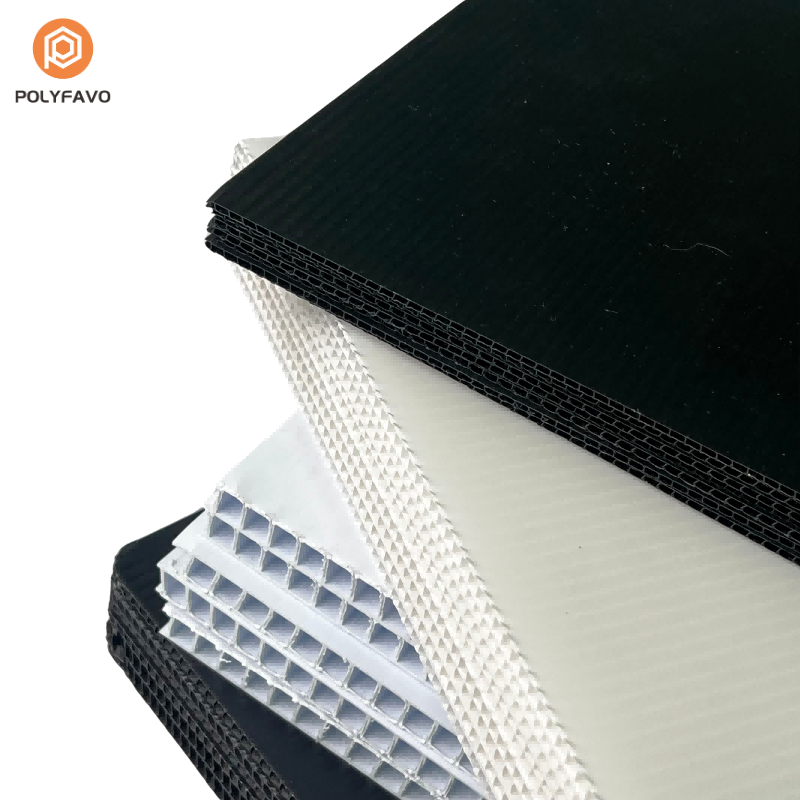
When it comes to choosing the right material for packaging, signage, or protective applications, the debate between corrugated plastic and cardboard is one that procurement managers, packaging engineers, and business owners face regularly. Both materials share a similar fluted, layered structure that provides rigidity and cushioning, yet their performance characteristics diverge significantly across real-world conditions. Understanding which material is genuinely better for your specific application requires a close look at durability, cost, environmental impact, and practical suitability — not just a surface-level comparison.
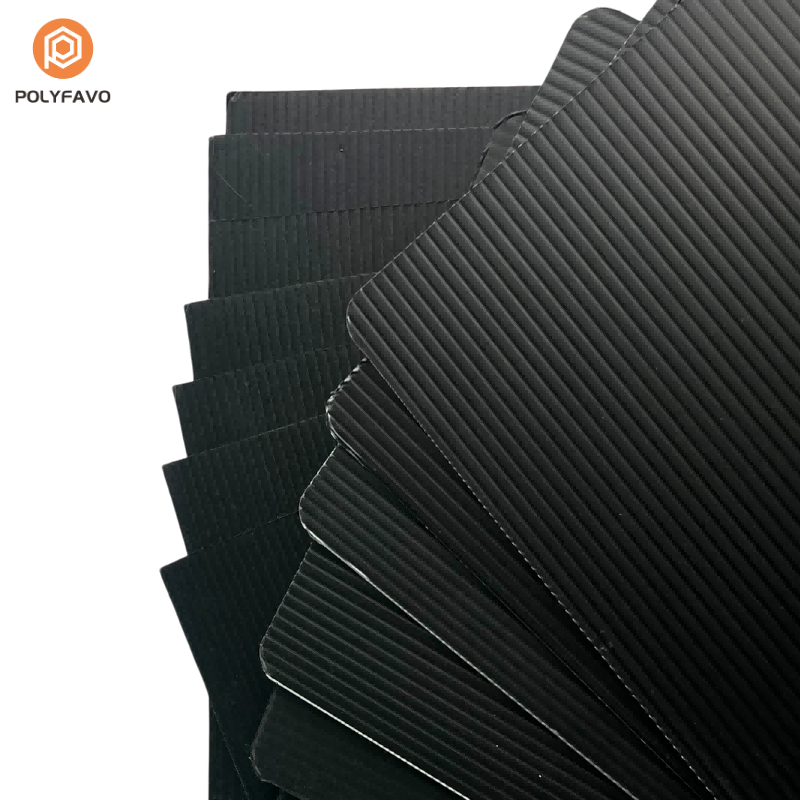
This article breaks down the key selection factors between corrugated plastic and cardboard so you can make a confident, informed decision. Whether you are sourcing materials for industrial transit packaging, outdoor displays, or reusable storage solutions, the right choice depends on matching material properties to your operational demands. corrugated plastic has gained significant traction across industries precisely because it addresses limitations that cardboard simply cannot overcome in demanding environments.
Understanding the Core Structural Differences
How Corrugated Plastic Is Constructed
Corrugated plastic, also known as twin-wall polypropylene or fluted polypropylene sheet, is manufactured by extruding polypropylene resin into a twin-wall panel with internal parallel flutes running between two flat outer skins. This construction gives the sheet its characteristic combination of light weight and structural rigidity. The polypropylene matrix is inherently resistant to moisture, chemicals, and UV degradation when stabilized additives are incorporated during production.
The density and flute spacing of corrugated plastic can be engineered to meet specific load-bearing or flexibility requirements. Thicker sheets with tighter flute spacing offer greater compressive strength, while thinner variants prioritize flexibility and weight reduction. This tunability is a significant advantage over cardboard, which has far fewer structural variables available to the designer or buyer.
Because corrugated plastic is a thermoplastic material, it can also be thermoformed, cut, folded, and welded using standard fabrication techniques. This opens up a wide range of custom configurations that are difficult or impossible to achieve with paper-based corrugated board without sacrificing structural integrity.
How Cardboard Corrugated Board Is Constructed
Corrugated cardboard is made from kraft paper liners bonded to a fluted paper medium using starch-based adhesives. The resulting structure is lightweight and provides reasonable compressive strength for single-use shipping applications. The paper fibers give cardboard a natural, biodegradable character that appeals to sustainability-focused buyers.
However, the cellulose fiber structure of cardboard is inherently hygroscopic, meaning it absorbs moisture from the surrounding environment. Once moisture penetrates the board, the adhesive bonds weaken, the flutes collapse, and the structural integrity of the panel degrades rapidly. This is a fundamental limitation that no surface coating fully eliminates, particularly in humid warehouses, refrigerated environments, or outdoor storage scenarios.
Cardboard also has limited reusability. After one or two transit cycles, the compression set and edge crush resistance of corrugated cardboard decline noticeably, making it unsuitable for applications where packaging must be reused across multiple shipments or storage cycles.
Durability and Environmental Resistance
Moisture and Weather Resistance of Corrugated Plastic
Corrugated plastic is completely impervious to water. Whether exposed to rain, condensation, or high-humidity environments, the polypropylene substrate does not absorb moisture, swell, or lose structural strength. This makes corrugated plastic the clear choice for outdoor signage, agricultural packaging, cold-chain logistics, and any application where moisture exposure is a realistic operating condition.
In outdoor signage applications specifically, corrugated plastic panels treated with UV stabilizers maintain their color and structural integrity for extended periods without warping, delaminating, or becoming brittle. Cardboard, by contrast, begins to degrade within hours of rain exposure and cannot be used outdoors without heavy lamination that adds cost and reduces recyclability.
For industrial environments where cleaning and sanitization are required — such as food processing facilities or pharmaceutical warehouses — corrugated plastic can be wiped down or pressure-washed without damage. Cardboard would be destroyed by the same cleaning process, making it entirely unsuitable for these regulated environments.
Impact Resistance and Reusability
Corrugated plastic absorbs impact energy through the elastic deformation of its polypropylene structure, then returns to its original shape in many cases. This resilience means that corrugated plastic packaging or dividers can withstand repeated handling, stacking, and transit cycles without permanent deformation. In returnable packaging programs, corrugated plastic containers and trays are routinely used for dozens or even hundreds of cycles before replacement is needed.
Cardboard, while adequate for single-use transit, does not recover from compression or impact in the same way. Once the flutes are crushed or the liners are creased, the board's load-bearing capacity is permanently reduced. For businesses running closed-loop supply chains or reusable packaging programs, this difference in reusability translates directly into total cost of ownership.
Cost Analysis: Short-Term vs Long-Term Value
Initial Purchase Cost Comparison
On a per-unit basis, corrugated cardboard is generally less expensive than corrugated plastic at the point of purchase. For single-use, high-volume shipping applications where the packaging is discarded after delivery, cardboard's lower unit cost makes it a rational choice. The economics are straightforward when the packaging has no residual value after its first use.
However, the initial cost comparison becomes misleading when the application involves reuse, outdoor exposure, or environments where cardboard would require replacement after each cycle. In these scenarios, the higher upfront cost of corrugated plastic is offset by its extended service life, and the total cost per use cycle often favors corrugated plastic significantly.
Total Cost of Ownership for Corrugated Plastic
When procurement teams calculate total cost of ownership rather than unit price, corrugated plastic frequently delivers better value for reusable and semi-permanent applications. A single corrugated plastic sheet used across fifty transit cycles costs a fraction of what fifty cardboard replacements would cost, even accounting for the higher initial investment.
Additional cost factors include storage efficiency, since corrugated plastic panels can be stacked and stored without the risk of moisture damage that requires cardboard to be kept in climate-controlled conditions. Reduced waste disposal costs and lower replacement frequency further improve the economic case for corrugated plastic in industrial and commercial settings.
For businesses that have quantified their packaging waste streams, switching from single-use cardboard to reusable corrugated plastic solutions has also demonstrated measurable reductions in procurement administration, supplier ordering frequency, and warehouse space dedicated to packaging inventory.
Application Suitability: Matching Material to Use Case
Where Corrugated Plastic Outperforms Cardboard
Corrugated plastic is the superior choice in applications that involve moisture, repeated use, outdoor exposure, or chemical contact. Outdoor real estate signs, construction site hoarding panels, agricultural produce trays, automotive parts packaging, and returnable industrial containers are all domains where corrugated plastic consistently outperforms cardboard on durability and lifecycle cost.
In the printing and display industry, corrugated plastic provides a stable, smooth surface for screen printing, digital printing, and vinyl application. The dimensional stability of corrugated plastic ensures that printed graphics remain flat and undistorted even in variable temperature and humidity conditions — a critical requirement for professional-grade signage.
Cold-chain and refrigerated logistics represent another strong application for corrugated plastic. Condensation and temperature cycling that would rapidly destroy cardboard packaging have no meaningful effect on corrugated plastic, making it the preferred material for pharmaceutical cold-chain packaging, fresh produce distribution, and frozen food logistics.
Where Cardboard Remains the Practical Choice
Cardboard retains a clear advantage in single-use e-commerce and retail shipping applications where the packaging is opened and discarded by the end consumer. In these scenarios, the lower unit cost, ease of recycling, and consumer familiarity with cardboard make it the pragmatic choice. The environmental narrative around cardboard recyclability also resonates with consumer-facing brands that prioritize sustainability messaging.
For very lightweight, low-value products shipped in controlled indoor environments, cardboard provides adequate protection at minimal cost. When the packaging will never encounter moisture, will not be reused, and does not need to withstand harsh handling, the performance advantages of corrugated plastic may not justify the cost premium for that specific application.
The key principle is that neither material is universally superior. The better choice is always the one that matches the material's performance profile to the actual demands of the application. Corrugated plastic wins decisively in demanding, reusable, or outdoor scenarios, while cardboard remains competitive for simple, single-use, indoor shipping needs.
Sustainability Considerations
Recyclability and End-of-Life for Both Materials
Cardboard is widely recyclable through established municipal and industrial paper recycling streams, and its biodegradability is a genuine environmental advantage for single-use applications. When cardboard is used once and recycled responsibly, its environmental footprint per use cycle is relatively low. This is a legitimate sustainability argument in favor of cardboard for appropriate applications.
Corrugated plastic made from polypropylene is technically recyclable, though the infrastructure for polypropylene recycling is less universally available than paper recycling. However, the sustainability case for corrugated plastic is strongest when viewed through a lifecycle lens: a single corrugated plastic sheet replacing fifty cardboard sheets represents a substantial reduction in total material consumption, energy use, and waste generation over the same operational period.
Lifecycle Impact of Corrugated Plastic in Reusable Systems
Life cycle assessment studies consistently show that reusable packaging systems based on corrugated plastic generate lower cumulative environmental impact than equivalent single-use cardboard systems when the reuse rate exceeds a relatively modest threshold — often as few as five to ten cycles. Beyond that threshold, the energy and resource savings from avoided cardboard production and disposal outweigh the higher production footprint of corrugated plastic.
For businesses with genuine sustainability commitments backed by measurable targets, transitioning high-frequency packaging applications from cardboard to corrugated plastic reusable systems is a credible strategy for reducing scope 3 emissions and packaging waste. The durability of corrugated plastic is not just a cost advantage — it is also an environmental one when the full lifecycle is properly accounted for.
FAQ
Is corrugated plastic waterproof?
Yes. Corrugated plastic made from polypropylene does not absorb water and is fully resistant to moisture, rain, and condensation. This makes it suitable for outdoor, refrigerated, and high-humidity environments where cardboard would quickly degrade and lose structural integrity.
How many times can corrugated plastic be reused?
Corrugated plastic panels used in returnable packaging and industrial applications are routinely reused for dozens to hundreds of cycles depending on the application intensity and handling conditions. The actual service life depends on sheet thickness, UV stabilization, and the mechanical stresses involved, but reuse rates far exceeding those of cardboard are consistently achievable.
Can corrugated plastic be printed on?
Yes. Corrugated plastic accepts screen printing, digital printing, and vinyl graphics well. Its smooth, dimensionally stable surface maintains print quality even under variable temperature and humidity conditions, making it a preferred substrate for outdoor signage, point-of-sale displays, and branded packaging applications.
Which is better for outdoor signage, corrugated plastic or cardboard?
Corrugated plastic is significantly better for outdoor signage. It resists moisture, UV degradation, and wind loading in ways that cardboard cannot. Cardboard deteriorates rapidly when exposed to outdoor conditions, while UV-stabilized corrugated plastic maintains its structural and visual integrity for extended periods, making it the standard material choice for real estate signs, construction hoarding, and event signage.