EN
EN

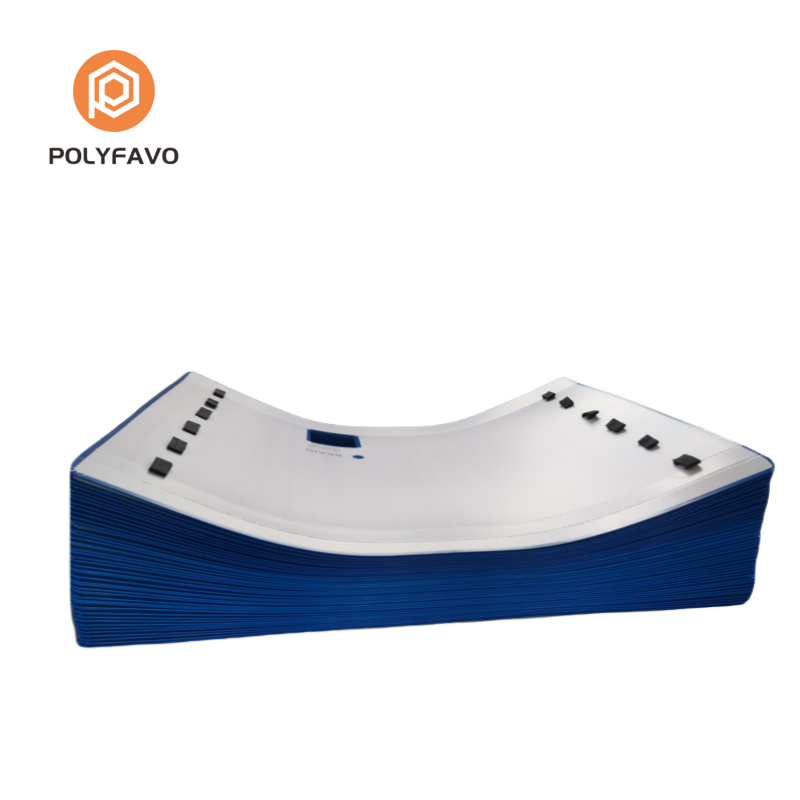
The flight case industry has undergone a significant transformation in recent years, with manufacturers increasingly abandoning traditional plywood construction in favor of advanced composite materials. This shift represents more than just a trend—it reflects a fundamental change in how professionals approach protective transport solutions. PP honeycomb flight case panels have emerged as the leading alternative, offering superior performance characteristics that address the evolving needs of touring professionals, audio-visual technicians, and equipment manufacturers worldwide.
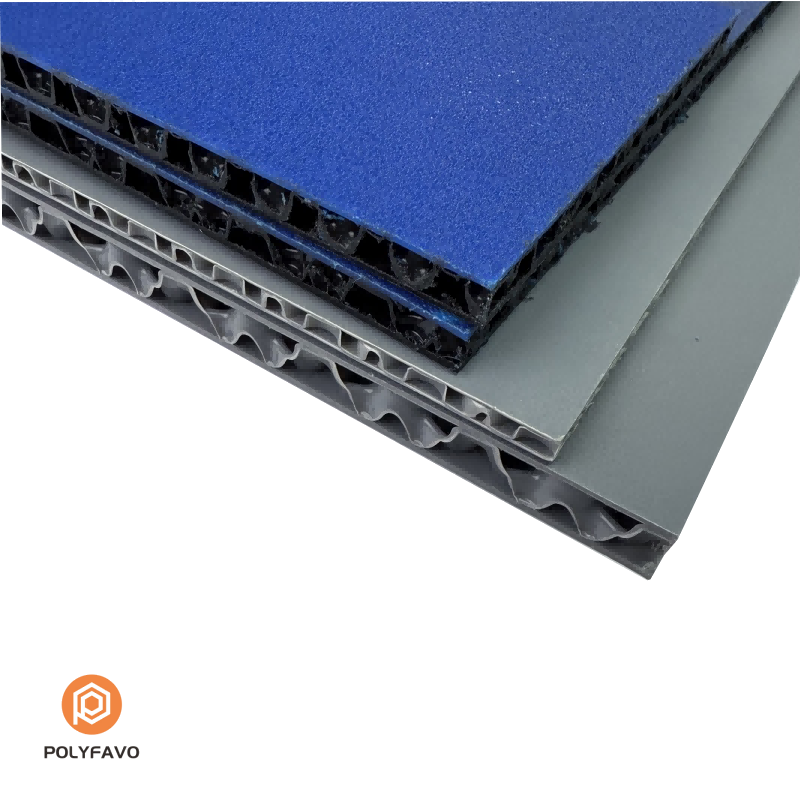
The transition from plywood to composite materials reflects broader industry demands for lighter, more durable, and environmentally sustainable solutions. Traditional plywood construction, while reliable, presents numerous challenges including excessive weight, moisture susceptibility, and inconsistent quality control. Modern PP honeycomb flight case panels address these limitations while delivering enhanced protection and operational efficiency. Understanding the differences between these materials is crucial for professionals making informed decisions about their equipment protection investments.
Understanding Traditional Plywood Construction
Material Composition and Manufacturing Process
Traditional flight cases rely heavily on birch plywood, typically ranging from 9mm to 18mm in thickness depending on application requirements. This multi-layered wood construction involves cross-grain lamination, where alternating wood grain directions provide structural integrity and resistance to warping. The manufacturing process includes bonding multiple thin wood veneers with phenolic or urea-formaldehyde adhesives under high pressure and temperature conditions.
The quality of plywood flight cases depends significantly on the grade of birch used and the precision of the lamination process. Premium grades feature consistent thickness, minimal voids, and superior adhesive bonding throughout the panel structure. However, even high-quality plywood exhibits inherent limitations related to weight density, moisture absorption, and long-term dimensional stability under varying environmental conditions.
Performance Characteristics and Limitations
Plywood construction offers excellent rigidity and familiar fabrication characteristics that have made it the historical standard for flight case manufacturing. The material provides reliable impact resistance and maintains structural integrity under normal handling conditions. However, plywood's dense composition results in significantly heavier cases, often adding 30-50% more weight compared to equivalent composite alternatives.
Moisture sensitivity represents another critical limitation of plywood construction. Extended exposure to humidity can cause swelling, delamination, and reduced structural integrity. This susceptibility requires additional protective coatings and maintenance procedures, increasing long-term ownership costs and limiting application versatility in challenging environmental conditions.
The Rise of PP Honeycomb Technology
Advanced Composite Engineering
PP honeycomb flight case panels utilize sophisticated composite engineering that combines lightweight polypropylene honeycomb cores with high-strength facing materials. This sandwich construction achieves exceptional strength-to-weight ratios through geometric optimization of the honeycomb cell structure. The hexagonal cell configuration distributes loads efficiently while minimizing material usage and overall panel weight.
The manufacturing process involves precision bonding of facing sheets to the honeycomb core using advanced adhesive systems designed for long-term durability. Modern PP honeycomb flight case panels incorporate specialized surface treatments that enhance bonding strength and provide superior resistance to environmental factors including temperature fluctuations, chemical exposure, and mechanical stress.
Material Properties and Performance Benefits
The cellular structure of PP honeycomb provides excellent impact absorption characteristics that surpass traditional plywood construction. When subjected to impact forces, the honeycomb cells compress progressively, dissipating energy over a larger area and reducing peak stress concentrations. This energy absorption capability protects sensitive equipment more effectively than rigid plywood panels.
Chemical resistance represents another significant advantage of PP honeycomb flight case panels. Unlike wood-based materials, polypropylene exhibits excellent resistance to acids, bases, solvents, and other chemicals commonly encountered in industrial and entertainment environments. This chemical inertness eliminates concerns about material degradation and ensures consistent performance throughout the case's service life.
Weight Reduction and Operational Efficiency
Impact on Transportation and Logistics
Weight reduction achieved through PP honeycomb flight case panels directly translates to significant operational advantages across multiple areas of professional application. Transportation costs decrease substantially when flight cases weigh 40-60% less than equivalent plywood constructions. Airlines, freight companies, and logistics providers increasingly implement weight-based pricing structures that amplify these savings over time.
Reduced case weight also enhances manual handling efficiency and worker safety. Technicians can transport equipment more easily, reducing fatigue and injury risks associated with heavy lifting. This improved ergonomics becomes particularly important during extended tours or installations where cases require frequent movement and positioning. The cumulative effect of weight reduction improves overall project efficiency and reduces labor costs.
Load Distribution and Stacking Capabilities
PP honeycomb flight case panels provide superior load distribution characteristics that enable more efficient stacking and storage configurations. The uniform strength distribution across the panel surface prevents localized stress concentrations that can occur with plywood construction. This improved load handling allows for higher stacking densities in trucks, warehouses, and temporary storage areas.
The consistent structural properties of PP honeycomb construction eliminate concerns about weak spots or grain direction limitations that affect plywood stacking capabilities. This reliability enables logistics teams to maximize space utilization while maintaining equipment safety standards. Enhanced stacking efficiency reduces storage costs and improves inventory management in professional environments.
Moisture Resistance and Environmental Durability
Hygroscopic Properties and Dimensional Stability
One of the most compelling advantages of PP honeycomb flight case panels lies in their excellent moisture resistance characteristics. Unlike plywood, which readily absorbs moisture from surrounding air, polypropylene exhibits minimal water absorption even under high humidity conditions. This moisture resistance prevents dimensional changes that can affect case fit, hardware alignment, and overall structural integrity.
Dimensional stability under varying environmental conditions ensures consistent performance across diverse operating environments. PP honeycomb flight case panels maintain their shape and structural properties whether exposed to desert heat, tropical humidity, or temperature cycling common in touring applications. This environmental reliability reduces maintenance requirements and extends case service life significantly.
Corrosion Prevention and Hardware Protection
The non-corrosive nature of PP honeycomb materials provides enhanced protection for metal hardware and internal components. Traditional plywood can retain moisture that promotes galvanic corrosion when in contact with metal fittings, latches, and hinges. PP honeycomb flight case panels eliminate this moisture retention, protecting hardware investments and maintaining smooth operation over extended periods.
Chemical inertness of polypropylene prevents material degradation that can affect hardware mounting integrity. Screws, rivets, and other fasteners maintain their holding power without experiencing loosening caused by substrate expansion and contraction. This stability ensures reliable case operation and reduces field maintenance requirements during critical applications.
Cost-Effectiveness and Long-Term Value
Initial Investment Considerations
While PP honeycomb flight case panels may require higher initial material costs compared to standard plywood, the total cost of ownership analysis reveals significant long-term advantages. Reduced transportation costs, lower maintenance requirements, and extended service life offset initial material premiums. Professional users increasingly recognize that upfront investment in superior materials generates substantial savings over the case's operational lifetime.
Manufacturing efficiency improvements also contribute to cost-effectiveness. PP honeycomb flight case panels often require fewer secondary operations such as sealing, edge banding, or protective coating application. This streamlined manufacturing process reduces labor costs and production time, allowing manufacturers to offer competitive pricing despite premium material specifications.
Lifecycle Cost Analysis
Comprehensive lifecycle cost analysis demonstrates the economic advantages of PP honeycomb construction over traditional plywood alternatives. Reduced fuel consumption during transportation, lower labor costs for handling, and decreased maintenance requirements create cumulative savings that exceed initial material cost differences. Professional touring companies report 20-30% reduction in total case ownership costs when transitioning to composite construction.
Insurance considerations also favor PP honeycomb flight case panels due to improved equipment protection and reduced damage claims. The superior impact resistance and environmental stability of composite construction minimize equipment damage during transport and storage. Insurance providers increasingly recognize these benefits through reduced premiums for equipment transported in advanced composite cases.
Manufacturing and Fabrication Advantages
Precision Manufacturing Capabilities
PP honeycomb flight case panels offer significant advantages in precision manufacturing applications where consistent material properties are essential. The uniform density and thickness tolerance of composite panels enable more accurate cutting, routing, and machining operations. This precision translates to better-fitting assemblies, improved hardware alignment, and enhanced overall case quality.
Computer-controlled manufacturing equipment achieves superior results with PP honeycomb materials compared to natural wood products. The absence of grain variations, density changes, and internal voids eliminates tool wear issues and machining inconsistencies common with plywood processing. This manufacturing reliability enables higher production speeds and improved quality control.
Design Flexibility and Customization
The consistent properties of PP honeycomb flight case panels enable greater design flexibility for custom applications. Complex geometries, curved surfaces, and intricate cutouts can be achieved more easily than with plywood construction. This design freedom allows case manufacturers to optimize protection for specific equipment configurations while maintaining structural integrity.
Surface finishing options expand significantly with composite materials. PP honeycomb panels accept various laminating films, textured surfaces, and protective coatings that enhance both appearance and functionality. These finishing options enable better branding opportunities and improved case identification in professional environments while maintaining durability standards.
Environmental Sustainability and Industry Responsibility
Resource Conservation and Recyclability
The flight case industry faces increasing pressure to adopt environmentally responsible practices, making PP honeycomb flight case panels an attractive sustainable alternative. Unlike plywood production, which requires harvesting mature trees, polypropylene manufacturing utilizes petroleum-based feedstocks that can be recycled multiple times without significant property degradation.
End-of-life considerations favor PP honeycomb construction through complete recyclability into new products. Polypropylene maintains its molecular structure through multiple recycling cycles, enabling closed-loop manufacturing processes that minimize waste generation. This recyclability aligns with corporate sustainability initiatives and regulatory requirements in many jurisdictions.
Carbon Footprint and Energy Efficiency
The reduced weight of PP honeycomb flight case panels directly contributes to lower carbon emissions throughout the transportation lifecycle. Lighter cases require less fuel for shipping, reducing the environmental impact of equipment touring and distribution. This environmental benefit becomes particularly significant for companies with extensive touring schedules or global equipment distribution networks.
Manufacturing energy requirements for PP honeycomb production often prove more efficient than traditional plywood processing. The elimination of multi-step wood preparation, adhesive curing, and finishing operations reduces overall energy consumption per panel produced. This manufacturing efficiency contributes to lower environmental impact while maintaining superior performance characteristics.
Industry Applications and Market Adoption
Professional Audio and Entertainment
The professional audio industry has emerged as an early adopter of PP honeycomb flight case panels, driven by the demanding requirements of touring productions and portable sound systems. Major audio equipment manufacturers now specify composite case construction for their high-end products, recognizing the protection and handling advantages these materials provide.
Concert touring companies report significant operational improvements after transitioning to PP honeycomb flight case panels. Reduced truck weights enable larger equipment loads while staying within legal weight limits. The improved case durability reduces equipment damage claims and extends service life for expensive audio gear. These operational advantages have accelerated market adoption across the entertainment industry.
Broadcast and Video Production
Television and video production environments present unique challenges that favor PP honeycomb construction. Camera equipment, lighting systems, and broadcast electronics require exceptional protection during frequent transportation between shooting locations. PP honeycomb flight case panels provide superior shock absorption that protects sensitive electronic components from vibration and impact damage.
The moisture resistance of composite construction proves particularly valuable in outdoor production environments where equipment cases may experience rain, humidity, or temperature extremes. Broadcasting companies increasingly specify PP honeycomb flight case panels for their equipment protection investments, recognizing the improved reliability and reduced maintenance requirements these materials provide.
FAQ
What are the main weight differences between plywood and PP honeycomb flight case panels
PP honeycomb flight case panels typically weigh 40-60% less than equivalent plywood construction while maintaining superior strength characteristics. A standard flight case that weighs 50 pounds with plywood construction might weigh only 20-30 pounds when built with PP honeycomb panels. This weight reduction directly translates to lower transportation costs, improved handling efficiency, and reduced worker fatigue during equipment movement and setup operations.
How do PP honeycomb panels compare to plywood in terms of impact resistance
PP honeycomb flight case panels provide superior impact resistance through their energy-absorbing cellular structure. When subjected to impact forces, the honeycomb cells compress progressively, distributing energy over a larger area and reducing peak stress concentrations. This energy absorption mechanism protects equipment more effectively than rigid plywood panels, which can transfer impact forces directly to enclosed equipment. The result is better equipment protection and fewer damage claims during transportation and handling.
Are PP honeycomb flight case panels more expensive than traditional plywood options
While PP honeycomb materials may have higher initial costs compared to standard plywood, the total cost of ownership analysis reveals significant long-term savings. Reduced transportation costs due to lower weight, decreased maintenance requirements, extended service life, and improved equipment protection offset the initial material premium. Professional users typically realize 20-30% reduction in total case ownership costs when transitioning from plywood to PP honeycomb construction, making composite materials more cost-effective over the case's operational lifetime.
Can existing manufacturing equipment handle PP honeycomb flight case panels
Most standard woodworking equipment used for plywood case manufacturing can process PP honeycomb panels with minimal modifications. The consistent density and uniform properties of composite materials actually improve machining results compared to natural wood products. However, manufacturers should use appropriate cutting tools designed for composite materials and adjust feed rates and cutting speeds for optimal results. The absence of grain variations and internal voids in PP honeycomb construction enables more precise cutting and routing operations than traditional plywood processing.
Table of Contents
- Understanding Traditional Plywood Construction
- The Rise of PP Honeycomb Technology
- Weight Reduction and Operational Efficiency
- Moisture Resistance and Environmental Durability
- Cost-Effectiveness and Long-Term Value
- Manufacturing and Fabrication Advantages
- Environmental Sustainability and Industry Responsibility
- Industry Applications and Market Adoption
-
FAQ
- What are the main weight differences between plywood and PP honeycomb flight case panels
- How do PP honeycomb panels compare to plywood in terms of impact resistance
- Are PP honeycomb flight case panels more expensive than traditional plywood options
- Can existing manufacturing equipment handle PP honeycomb flight case panels