EN
EN

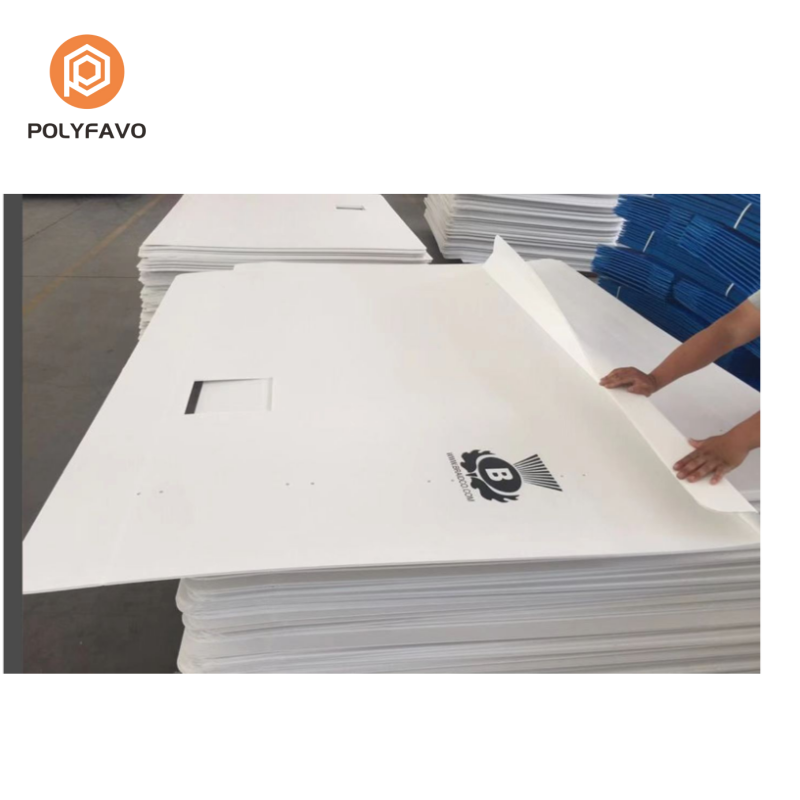
In today's competitive logistics landscape, businesses are constantly seeking packaging solutions that deliver both cost efficiency and operational excellence. The pallet sleeve pack box has emerged as a revolutionary alternative to traditional packaging methods, offering significant advantages in terms of storage, transportation, and overall supply chain management. Understanding the cost implications of different packaging approaches is crucial for companies looking to optimize their operations while maintaining product protection and customer satisfaction.
Traditional packaging methods have long dominated the industrial sector, but their limitations become increasingly apparent when analyzed against modern alternatives. The shift toward more efficient packaging solutions reflects changing market demands, environmental concerns, and the need for improved logistics performance. Companies that evaluate their packaging strategies holistically often discover substantial opportunities for cost reduction and operational improvement.
The economic impact of packaging choices extends far beyond initial purchase costs, encompassing factors such as storage requirements, transportation efficiency, labor costs, and end-of-life disposal expenses. A comprehensive cost analysis reveals how innovative packaging solutions can transform entire supply chain operations while delivering measurable financial benefits.
Understanding Pallet Sleeve Pack Box Technology
Design Innovation and Functionality
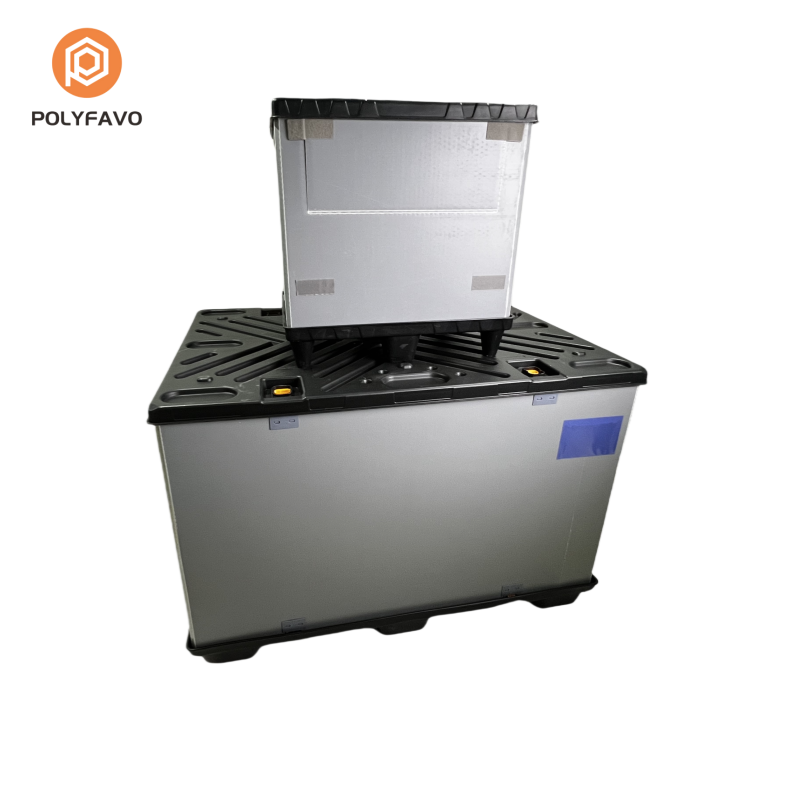
The pallet sleeve pack box represents a significant advancement in packaging technology, featuring a collapsible design that maximizes space utilization during storage and transportation. This innovative solution combines the structural integrity of traditional packaging with the flexibility and efficiency that modern logistics demand. The system consists of interlocking components that create a secure containment structure when assembled, yet fold flat when not in use.
Unlike conventional rigid packaging, the pallet sleeve pack box adapts to various product configurations while maintaining consistent protection standards. The modular design allows for easy customization based on specific cargo requirements, eliminating the need for multiple packaging types in many applications. This versatility translates directly into inventory simplification and reduced storage overhead.
Material Composition and Durability
Modern pallet sleeve pack boxes utilize advanced materials that balance strength, weight, and cost-effectiveness. High-grade corrugated materials, reinforced with strategic placement of structural elements, provide excellent load-bearing capacity while maintaining relatively low weight. The material selection process considers factors such as moisture resistance, temperature stability, and recyclability to ensure comprehensive performance across diverse applications.
The durability characteristics of these packaging solutions often exceed those of traditional alternatives, particularly in multi-use scenarios. The ability to withstand repeated assembly and disassembly cycles without significant degradation makes them particularly valuable for companies with reverse logistics requirements or reusable packaging programs.
Traditional Packaging Cost Structure Analysis
Direct Material and Manufacturing Costs
Traditional packaging methods typically involve higher direct material costs due to their rigid construction and single-use design philosophy. Wooden crates, metal containers, and standard cardboard boxes require substantial raw materials and manufacturing processes that contribute to elevated unit costs. The production of these packaging solutions often involves multiple manufacturing steps, specialized tooling, and quality control processes that add to the overall expense structure.
Manufacturing overhead for traditional packaging includes facility costs, equipment depreciation, and labor expenses that must be allocated across production volumes. These fixed costs become particularly significant for companies requiring custom packaging solutions or dealing with variable order quantities. The inability to achieve economies of scale in specialized applications often results in disproportionately high unit costs.
Storage and Inventory Management Expenses
The storage requirements for traditional packaging represent a substantial hidden cost that many organizations underestimate. Rigid packaging solutions consume significant warehouse space even when empty, leading to increased facility costs, higher insurance premiums, and reduced operational flexibility. The three-dimensional nature of traditional packaging means that storage efficiency remains constant regardless of utilization rates.
Inventory management complexity increases with traditional packaging due to the need to maintain adequate stock levels while minimizing excess inventory costs. The inability to efficiently store empty packaging often results in either excessive carrying costs or frequent stockouts that disrupt operations. This challenge becomes particularly acute for companies with seasonal demand patterns or variable product mix requirements.
Economic Benefits of Pallet Sleeve Pack Box Implementation
Space Optimization and Storage Savings
The collapsible nature of pallet sleeve pack box solutions delivers immediate and substantial storage cost reductions. When not in use, these packaging systems require up to 80% less storage space compared to equivalent traditional alternatives. This space efficiency translates directly into reduced warehouse rental costs, lower facility overhead, and improved inventory turnover rates.
The impact of storage optimization extends beyond direct cost savings to include improved operational efficiency and enhanced flexibility in facility utilization. Companies can repurpose previously allocated packaging storage areas for revenue-generating activities such as additional inventory, production capacity, or value-added services. The cumulative effect of these space savings often exceeds initial cost projections when analyzed over extended time periods.
Transportation Efficiency and Logistics Optimization
Transportation cost reduction represents one of the most significant economic advantages of pallet sleeve pack box systems. The ability to ship flat-packed packaging components results in dramatic improvements in shipping efficiency, with typical volume reductions of 70-85% compared to pre-assembled traditional packaging. This efficiency gain translates into reduced freight costs, improved vehicle utilization, and enhanced delivery scheduling flexibility.
Logistics optimization extends to reverse logistics operations, where empty packaging return costs can be substantially reduced through efficient space utilization. The environmental benefits of reduced transportation requirements also contribute to corporate sustainability goals while potentially qualifying for green logistics incentives or preferential treatment from environmentally conscious customers.
Labor and Assembly Cost Considerations
Assembly Time and Training Requirements
While pallet sleeve pack box systems require assembly, modern designs focus on simplicity and speed to minimize labor costs. Typical assembly times range from 2-5 minutes per unit, depending on size and complexity. This time investment must be weighed against the elimination of traditional packaging preparation tasks such as custom cutting, reinforcement application, and quality inspection of received packaging materials.
Training requirements for pallet sleeve pack box assembly are generally minimal, with most operators achieving proficiency within a single training session. The standardized assembly process reduces errors, improves consistency, and enables cross-training opportunities that enhance operational flexibility. The learning curve is typically much shorter than that required for custom traditional packaging solutions.
Operational Efficiency and Workforce Productivity
The standardization inherent in pallet sleeve pack box systems often leads to improved workforce productivity through simplified processes and reduced variability in packaging operations. Workers can focus on value-added activities rather than dealing with the complications of multiple packaging types, custom fitting requirements, or quality issues associated with traditional packaging materials.
Operational efficiency gains extend to quality control, damage reduction, and customer satisfaction improvements. The consistent performance characteristics of pallet sleeve pack box solutions reduce the time spent on problem resolution, warranty claims, and customer service issues related to packaging failures or inadequacies.
Environmental Impact and Sustainability Costs
Waste Reduction and Recycling Benefits
Environmental considerations increasingly influence packaging decisions as companies face regulatory requirements, customer expectations, and corporate responsibility initiatives. Pallet sleeve pack box systems typically generate less waste than traditional packaging alternatives due to their reusable nature and efficient material utilization. The reduction in packaging waste translates into lower disposal costs, reduced environmental fees, and potential revenue from recycling programs.
The recyclability of materials used in pallet sleeve pack box construction often exceeds that of traditional packaging, particularly when compared to mixed-material solutions or chemically treated wood products. This advantage becomes increasingly valuable as waste disposal costs rise and recycling incentives expand in various markets worldwide.
Carbon Footprint and Regulatory Compliance
The reduced transportation requirements associated with pallet sleeve pack box systems contribute significantly to carbon footprint reduction, an increasingly important factor in corporate sustainability reporting and regulatory compliance. Companies operating in jurisdictions with carbon taxes or emissions trading systems can realize direct financial benefits from reduced transportation-related emissions.
Compliance costs related to environmental regulations continue to increase, making the environmental advantages of efficient packaging solutions increasingly valuable from a pure financial perspective. The ability to demonstrate environmental responsibility through packaging choices can also provide competitive advantages in markets where sustainability is a key customer consideration.
Long-term Financial Analysis and ROI Considerations
Total Cost of Ownership Evaluation
A comprehensive total cost of ownership analysis reveals that pallet sleeve pack box solutions often provide superior financial returns despite potentially higher initial unit costs. The analysis must include direct costs, indirect costs, opportunity costs, and risk-related expenses to provide an accurate comparison. Factors such as damage reduction, inventory optimization, and operational efficiency improvements contribute significantly to the overall value proposition.
The financial benefits of pallet sleeve pack box implementation typically compound over time as operational efficiencies improve and cost savings accumulate. Companies that conduct thorough financial analysis often discover that payback periods are shorter than initially anticipated, with ongoing savings continuing to provide value well beyond the initial investment recovery period.
Scalability and Growth Considerations
The scalability advantages of pallet sleeve pack box systems become particularly apparent as business volumes increase. The modular nature of these solutions allows companies to adjust packaging capacity efficiently without the capital investments required for traditional packaging infrastructure. This flexibility provides significant value for growing companies or those with variable demand patterns.
Growth scenarios often favor pallet sleeve pack box solutions due to their ability to accommodate changing product mix, seasonal variations, and market expansion without requiring fundamental changes to packaging infrastructure. The ability to maintain consistent packaging standards while scaling operations provides both cost advantages and operational benefits that support sustainable business growth.
FAQ
What is the typical cost savings percentage when switching from traditional packaging to pallet sleeve pack box systems
Cost savings typically range from 20-40% when considering total cost of ownership over a 12-24 month period. The actual savings depend on factors such as current packaging costs, storage facility expenses, transportation patterns, and usage volumes. Companies with high storage costs or frequent shipping requirements often realize savings at the higher end of this range.
How long does it take to see return on investment after implementing pallet sleeve pack box solutions
Most companies experience positive ROI within 6-18 months of implementation, depending on their specific operational characteristics and usage patterns. Organizations with high-volume operations, expensive storage facilities, or frequent transportation requirements typically see faster payback periods. The ongoing nature of the savings means that benefits continue to accumulate well beyond the initial payback period.
Are there any hidden costs associated with pallet sleeve pack box systems that should be considered
The primary additional costs include initial training time, assembly labor, and potential equipment for automated assembly in high-volume operations. However, these costs are typically offset by elimination of traditional packaging handling, storage management, and damage-related expenses. Most companies find that the transparent cost structure of pallet sleeve pack box systems actually reduces hidden costs compared to traditional packaging alternatives.
How do pallet sleeve pack box systems perform in terms of product protection compared to traditional packaging
When properly designed and assembled, pallet sleeve pack box systems provide protection levels equal to or superior to traditional packaging methods. The engineered design approach allows for customization based on specific protection requirements, while the consistent assembly process reduces variability in protection performance. Many companies experience reduced damage rates after switching to pallet sleeve pack box solutions due to improved design consistency and quality control.
Table of Contents
- Understanding Pallet Sleeve Pack Box Technology
- Traditional Packaging Cost Structure Analysis
- Economic Benefits of Pallet Sleeve Pack Box Implementation
- Labor and Assembly Cost Considerations
- Environmental Impact and Sustainability Costs
- Long-term Financial Analysis and ROI Considerations
-
FAQ
- What is the typical cost savings percentage when switching from traditional packaging to pallet sleeve pack box systems
- How long does it take to see return on investment after implementing pallet sleeve pack box solutions
- Are there any hidden costs associated with pallet sleeve pack box systems that should be considered
- How do pallet sleeve pack box systems perform in terms of product protection compared to traditional packaging