EN
EN

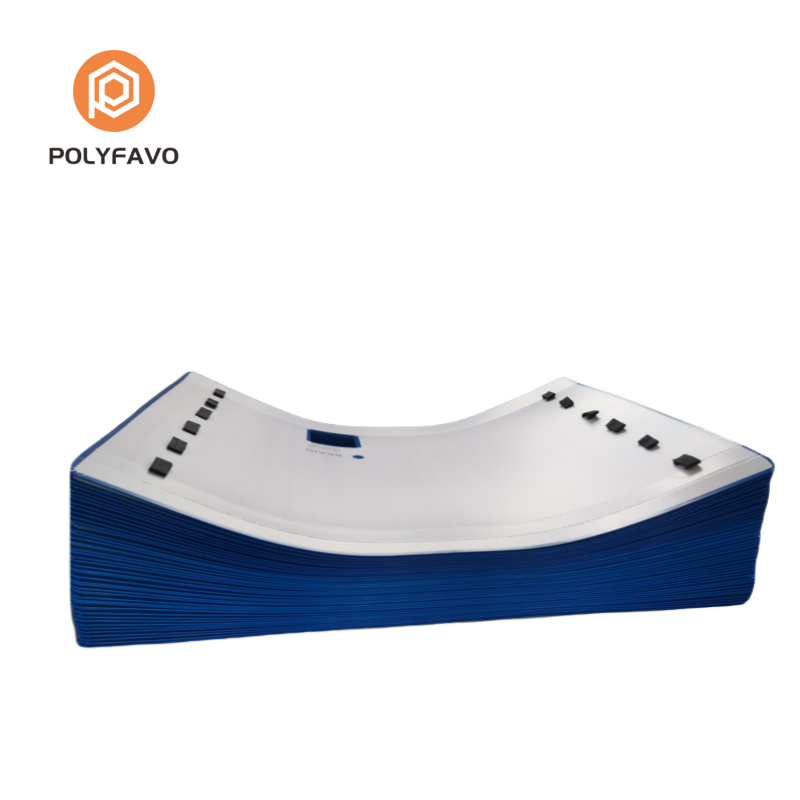
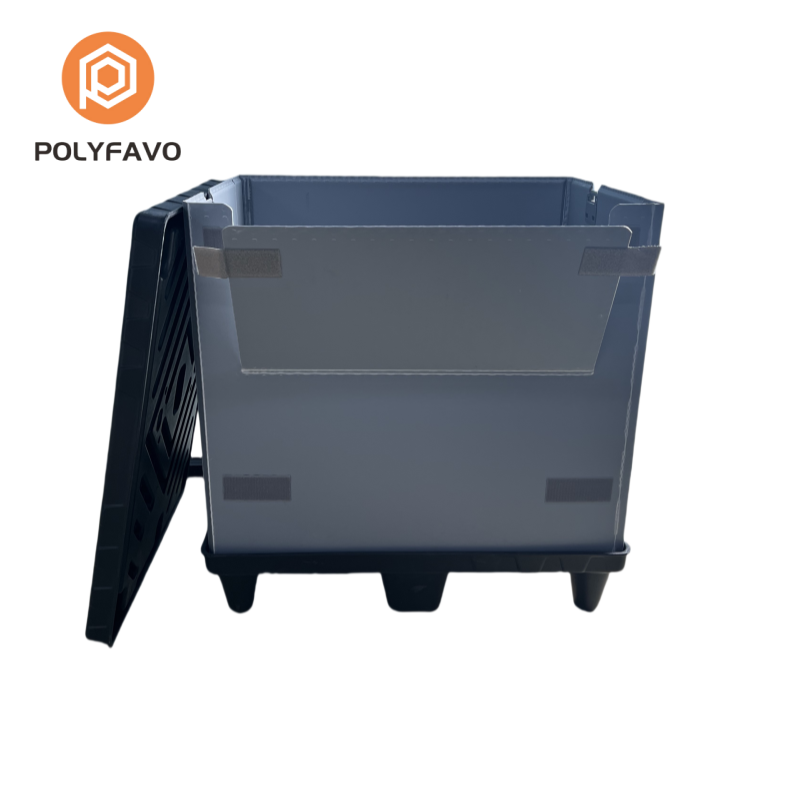
Selecting the appropriate bulk shipping solution requires careful consideration of material durability, cost-effectiveness, and operational efficiency. A plastic gaylord container has emerged as one of the most reliable options for businesses handling large-volume shipments across various industries. These industrial-grade containers offer superior protection for goods while maintaining structural integrity throughout the supply chain process.
The global logistics industry has witnessed significant transformations in packaging standards, with businesses increasingly prioritizing sustainable and reusable solutions. Modern manufacturing facilities demand containers that can withstand repeated use while providing consistent protection for valuable merchandise. Understanding the key factors involved in selecting the right bulk container ensures optimal performance and long-term cost savings for your shipping operations.
Understanding Plastic Gaylord Container Specifications
Material Composition and Durability Standards
High-quality plastic gaylord containers utilize advanced polymer compounds designed to withstand extreme temperatures and mechanical stress. The most common materials include high-density polyethylene (HDPE) and polypropylene, both offering exceptional chemical resistance and structural stability. These materials maintain their integrity across temperature ranges from -40°F to 180°F, making them suitable for diverse storage environments.
Manufacturing processes significantly impact container durability, with rotational molding and injection molding being the preferred methods for industrial applications. Rotational molding creates seamless walls without weak points, while injection molding allows for precise dimensional control and consistent wall thickness. Both techniques result in containers capable of supporting substantial weight loads without compromising structural integrity.
Wall thickness typically ranges from 3mm to 8mm depending on intended applications and load requirements. Thicker walls provide enhanced puncture resistance and longer service life, particularly important for containers handling abrasive materials or undergoing frequent handling. Quality manufacturers implement rigorous testing protocols to ensure their products meet international shipping standards and safety requirements.
Capacity and Dimensional Considerations
Standard plastic gaylord container dimensions follow industry conventions to ensure compatibility with existing warehouse infrastructure and transportation systems. Common sizes include 48x40x34 inches and 48x45x34 inches, designed to maximize pallet efficiency and storage density. These standardized dimensions facilitate seamless integration with automated handling systems and conventional forklift operations.
Volume capacity ranges from 200 to 400 gallons, accommodating various bulk shipping requirements from small batch productions to large-scale manufacturing operations. The relationship between internal volume and external dimensions affects stacking efficiency and warehouse utilization rates. Optimal container selection balances maximum capacity with practical handling constraints and storage limitations.
Weight distribution characteristics play a crucial role in container performance during transportation and storage. Properly designed containers feature reinforced bottom sections and strategic ribbing patterns to distribute loads evenly across the base structure. This engineering approach prevents stress concentration points that could lead to premature failure under heavy loads or dynamic shipping conditions.
Evaluating Container Features and Design Elements
Structural Reinforcement Systems
Advanced reinforcement technologies enhance the load-bearing capacity of modern containers through strategic placement of ribs, corners, and base support structures. Vertical corner posts distribute weight loads effectively while preventing sidewall bulging under pressure. These reinforcement elements must be integrated seamlessly into the overall design without creating sharp edges or potential snagging points during handling operations.
Base reinforcement systems typically incorporate cross-hatched patterns or honeycomb structures to distribute point loads across larger surface areas. This design approach prevents localized stress concentrations that could compromise container integrity when loaded with dense materials. Heavy-duty applications may require additional steel inserts or composite reinforcement elements embedded within the plastic structure.
Sidewall design influences both structural performance and material flow characteristics during loading and unloading operations. Smooth interior surfaces facilitate complete product discharge, while external ribbing patterns provide additional structural support without interfering with internal operations. The balance between structural requirements and functional considerations requires careful engineering analysis during the design phase.
Access and Handling Features
Multiple access configurations accommodate different loading and unloading scenarios encountered in industrial applications. Top-loading containers feature wide openings designed for efficient filling operations, while side-access doors enable selective product removal without disturbing entire contents. Some models incorporate both top and side access points to maximize operational flexibility.
Forklift pocket designs must accommodate standard industrial equipment while providing secure lifting points that distribute forces evenly across the container structure. Four-way forklift access enables efficient handling from any direction, reducing positioning requirements and minimizing handling time. Pocket dimensions follow industry standards to ensure compatibility with various forklift tine configurations.
Lifting handles and crane attachment points extend handling capabilities beyond standard forklift operations. Integrated lifting lugs provide secure attachment points for overhead cranes and material handling systems. These features prove particularly valuable in facilities with limited floor space or specialized handling requirements that preclude conventional forklift access.
Application-Specific Selection Criteria
Industry Requirements and Compliance Standards
Food and pharmaceutical industries impose strict hygiene and safety requirements that influence container selection decisions. FDA-approved materials and smooth, easy-to-clean surfaces prevent contamination and facilitate thorough sanitization between uses. These applications often require containers with minimal crevices or textured surfaces that could harbor bacteria or other contaminants.
Chemical processing applications demand containers with specific chemical resistance properties matched to the materials being handled. Compatibility charts provided by manufacturers detail resistance levels for various chemicals, solvents, and corrosive substances. Proper material selection prevents container degradation and potential product contamination that could result from chemical interactions.
Automotive and electronics industries require containers with anti-static properties to prevent damage to sensitive components during transportation and storage. Conductive additives integrated into the plastic gaylord container material dissipate static charges safely, protecting valuable electronic components from electrostatic discharge damage. These specialized containers often feature additional grounding provisions for enhanced protection.
Environmental and Storage Considerations
Outdoor storage applications require containers with enhanced UV resistance to prevent material degradation from prolonged sun exposure. UV stabilizers incorporated into the polymer matrix protect against photodegradation while maintaining material properties over extended service periods. Color selection also influences UV resistance, with lighter colors typically offering better performance in high-exposure environments.
Temperature cycling affects container dimensions and sealing performance, particularly important for applications involving thermal processing or cold storage environments. Thermal expansion coefficients must be considered when specifying container dimensions and clearances. Quality containers maintain dimensional stability across their rated temperature range without compromising structural integrity or functional performance.
Moisture resistance properties protect contents from humidity-related damage while preventing mold and mildew growth within the container. Proper sealing systems combined with moisture-resistant materials ensure product quality throughout extended storage periods. Drainage provisions may be necessary for applications where condensation accumulation could pose problems for stored materials.
Cost Analysis and Return on Investment
Initial Investment Versus Long-term Value
Comparative cost analysis must consider both initial purchase price and total cost of ownership over the container's service life. Higher-quality containers with premium materials and construction typically command higher initial prices but offer superior durability and longer service life. This relationship often results in lower per-use costs and better return on investment for high-volume applications.
Maintenance requirements vary significantly between different container designs and material qualities. Premium containers require minimal maintenance beyond routine cleaning, while lower-cost alternatives may need frequent repairs or early replacement. Labor costs associated with maintenance activities should be factored into total ownership calculations along with potential downtime impacts on operations.
Depreciation schedules and asset accounting considerations influence container selection decisions, particularly for large-scale procurement programs. Containers with longer service life and retained functionality provide better asset value over time. Tax implications and capital equipment classifications may also influence the financial analysis of container investments.
Operational Efficiency Benefits
Standardized container dimensions and handling features reduce training requirements and operational complexity across multiple facility locations. Consistent container specifications enable streamlined procedures and equipment compatibility throughout the supply chain. This standardization reduces errors and improves operational efficiency while simplifying inventory management and maintenance programs.
Space utilization improvements result from optimized container designs that maximize storage density while maintaining accessibility for handling equipment. Efficient nesting and stacking capabilities reduce storage footprint requirements and transportation costs. These space savings translate directly to reduced facility costs and improved warehouse productivity.
Automation compatibility features enable integration with advanced material handling systems and robotic operations. Standardized dimensions and handling provisions facilitate automated loading, unloading, and sorting operations. Investment in automation-ready containers supports future facility upgrades and process improvements while maintaining operational flexibility.
FAQ
What is the typical service life of a high-quality plastic gaylord container?
High-quality containers manufactured from premium materials typically provide 5-10 years of service life under normal industrial conditions. Actual service life depends on handling frequency, load characteristics, environmental exposure, and maintenance practices. Proper care and maintenance can extend service life significantly, while harsh operating conditions may reduce expected lifespan. Regular inspection programs help identify potential issues before they compromise container integrity or safety.
How do I determine the appropriate load capacity for my application?
Load capacity selection should consider both static weight limits and dynamic loading conditions encountered during transportation and handling. Manufacturers provide safe working load specifications based on standardized testing procedures and safety factors. Material density, load distribution patterns, and handling methods all influence practical load limits. It's advisable to select containers with capacity ratings exceeding your maximum anticipated loads by at least 25% to account for dynamic forces and safety margins.
Can plastic gaylord containers be customized for specific applications?
Most manufacturers offer customization options including dimensional modifications, color selection, special fittings, and performance enhancements. Custom features may include drainage provisions, lifting attachments, divider systems, or specialized surface treatments. Lead times for custom containers typically extend beyond standard products, and minimum order quantities may apply. Working with experienced manufacturers ensures that customizations meet both functional requirements and industry standards.
What maintenance procedures are recommended for optimal container performance?
Regular cleaning with appropriate detergents maintains hygienic conditions and prevents material buildup that could affect container performance. Visual inspections should identify cracks, wear patterns, or damage that could compromise structural integrity. Proper storage procedures protect containers from UV exposure and extreme temperatures when not in use. Documentation of maintenance activities and service history helps optimize replacement schedules and identify potential design improvements for future purchases.