EN
EN

Manufacturing and logistics companies face constant pressure to optimize packaging costs while maintaining product protection and operational efficiency. Traditional packaging methods have dominated industrial shipping for decades, but innovative solutions like pallet sleeve containers are revolutionizing how businesses approach bulk packaging. Understanding the true cost implications of different packaging systems requires examining not just initial purchase prices, but also storage, handling, and disposal expenses that impact your bottom line over time.
Understanding Pallet Sleeve Container Technology
Design and Construction Features
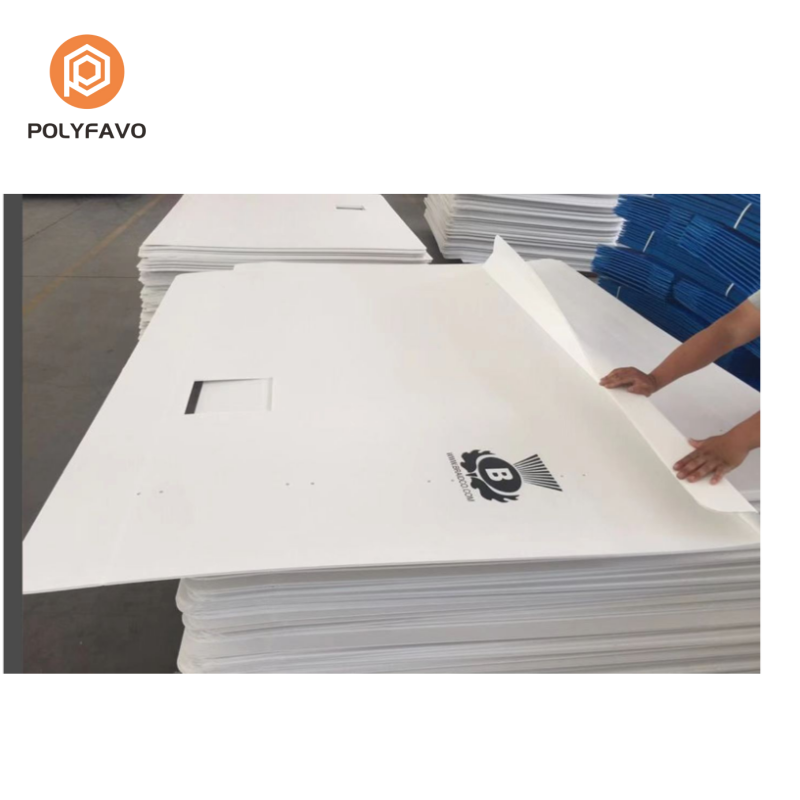
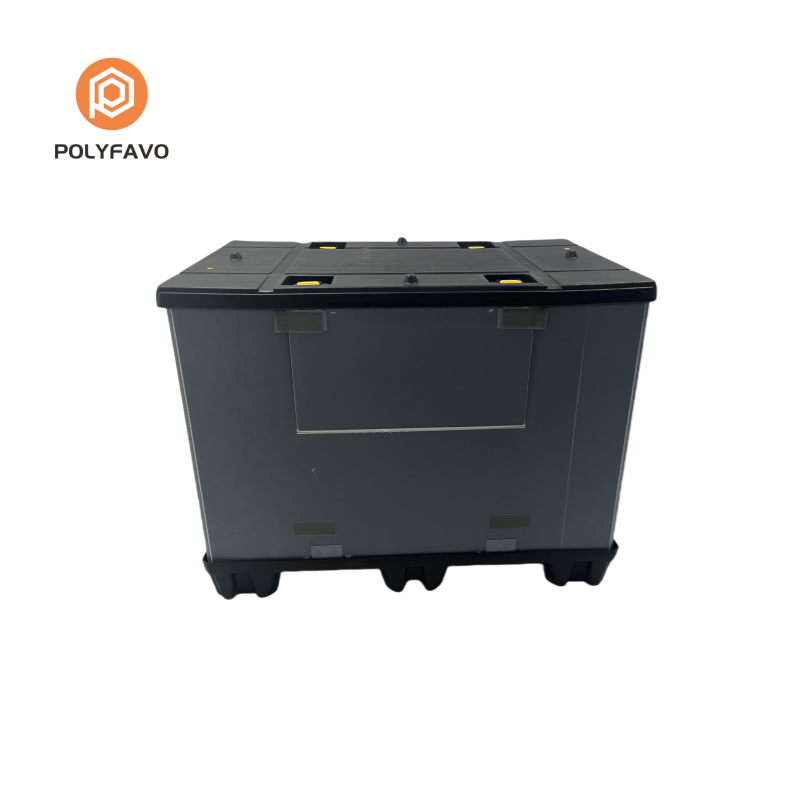
Pallet sleeve containers represent a significant advancement in bulk packaging technology, combining the stability of traditional gaylord container designs with enhanced flexibility and reusability. These innovative packaging solutions feature collapsible walls that fold flat when not in use, dramatically reducing storage space requirements compared to rigid alternatives. The construction typically involves high-strength corrugated materials or plastic components engineered to withstand repeated folding and assembly cycles without compromising structural integrity.
The modular design allows workers to quickly assemble containers on-site, eliminating the need for pre-formed boxes that consume valuable warehouse space. Advanced locking mechanisms ensure secure assembly while maintaining easy disassembly for return shipping or storage. This engineering approach addresses many limitations of traditional gaylord container systems, particularly in facilities where storage space commands premium costs.
Operational Advantages and Efficiency Gains
Modern pallet sleeve containers deliver operational benefits that translate directly into cost savings across multiple business functions. The rapid assembly process reduces labor time compared to traditional box setup procedures, while the standardized dimensions ensure consistent pallet configurations for optimized truck loading. Material handling equipment operates more efficiently when containers maintain uniform specifications, reducing potential damage during transport and storage operations.
Quality control processes benefit from the consistent performance characteristics of pallet sleeve systems. Unlike traditional packaging that may vary in strength or dimension tolerances, engineered sleeve containers provide predictable performance metrics that support lean manufacturing principles. This reliability factor becomes particularly valuable in automated warehousing environments where packaging inconsistencies can disrupt operational flow and increase handling costs.
Traditional Packaging Cost Analysis
Direct Material and Production Expenses
Traditional packaging methods encompass various approaches including standard corrugated boxes, wooden crates, and rigid plastic containers, each carrying distinct cost profiles that impact overall logistics budgets. Standard corrugated gaylord container options typically represent the most economical initial purchase price, but this apparent advantage diminishes when factoring in single-use limitations and disposal requirements. Wooden packaging solutions command higher upfront investments while offering superior durability, though their weight penalty increases shipping costs and handling complexity.
Rigid plastic containers provide excellent reusability characteristics but require substantial capital investment and dedicated storage infrastructure. The manufacturing processes for traditional packaging often involve multiple production steps, material waste, and quality control procedures that contribute to overall cost structures. Supply chain considerations become critical when traditional packaging suppliers face capacity constraints or material shortages, potentially forcing emergency procurement at premium pricing levels.
Hidden Costs and Operational Impacts
Traditional packaging systems generate numerous hidden costs that compound over operational cycles, significantly impacting total cost of ownership calculations. Storage requirements for empty packaging consume valuable warehouse space, with rigid containers demanding permanent floor space allocation even when not actively used. Labor costs increase when workers must handle bulky, awkward packaging materials, leading to productivity losses and potential safety concerns in high-volume environments.
Disposal expenses for single-use packaging continue rising as waste management costs increase and environmental regulations become more stringent. Traditional gaylord container disposal involves collection fees, landfill charges, and potential recycling processing costs that accumulate throughout operational periods. Quality issues with traditional packaging can result in product damage, customer complaints, and replacement costs that far exceed the original packaging investment.
Comparative Cost Analysis Framework
Initial Investment Considerations
Accurate cost comparison between pallet sleeve containers and traditional packaging requires comprehensive analysis of initial investment requirements, operational costs, and long-term value propositions. Pallet sleeve systems typically command higher upfront costs compared to basic corrugated alternatives, but this investment spreads across multiple use cycles, fundamentally altering the cost-per-use equation. Traditional packaging appears economical in initial procurement scenarios, but single-use limitations restrict value realization over extended periods.
Capital equipment considerations differ significantly between packaging approaches, with traditional methods often requiring specialized handling tools, storage racks, and disposal equipment. Pallet sleeve containers integrate seamlessly with existing material handling systems while reducing auxiliary equipment requirements. The standardized dimensions and consistent performance characteristics of sleeve containers enable more efficient warehouse layout optimization, potentially reducing facility space requirements and associated rental or ownership costs.
Lifecycle Value Assessment
Total cost of ownership calculations must incorporate multiple use cycles, maintenance requirements, and end-of-life value recovery to provide meaningful comparison data. Pallet sleeve containers demonstrate superior lifecycle value through repeated use capabilities, with quality systems maintaining structural integrity across hundreds of assembly cycles. Traditional gaylord container alternatives rarely achieve multiple use cycles without significant quality degradation, limiting their lifecycle value potential despite lower initial costs.
Maintenance costs for pallet sleeve systems remain minimal due to robust construction and simple repair procedures when needed. Traditional packaging often requires replacement rather than repair when damage occurs, increasing ongoing operational expenses. The residual value of sleeve containers at end-of-service provides additional cost recovery opportunities, while traditional packaging typically generates disposal costs rather than value recovery.
Storage and Handling Cost Implications
Space Utilization Efficiency
Storage cost analysis reveals significant advantages for pallet sleeve container systems in facilities where space optimization directly impacts operational profitability. Traditional packaging methods consume considerable storage volume even when empty, with rigid containers requiring dedicated floor space that could otherwise support productive activities. The collapsible nature of pallet sleeve systems reduces storage requirements by up to 80% compared to equivalent rigid alternatives, translating into substantial space cost savings in expensive urban warehousing markets.
Inventory management becomes more efficient when packaging materials require minimal storage footprint, allowing facilities to maintain adequate packaging supplies without excessive space allocation. Traditional gaylord container inventory often creates logistical challenges in constrained environments, forcing companies to maintain off-site storage or accept supply risks from minimal on-hand inventory levels. The compact storage characteristics of sleeve containers eliminate these operational compromises while maintaining supply security.
Labor and Handling Efficiency
Material handling costs vary significantly between packaging systems, with pallet sleeve containers offering substantial labor efficiency advantages in high-volume operations. Traditional packaging often requires multiple workers for safe handling of bulky containers, increasing labor costs and creating potential bottlenecks in production schedules. The lightweight, compact design of sleeve containers enables single-person handling in most applications, reducing labor requirements and improving operational flexibility.
Training costs decrease with simplified handling procedures, as workers require minimal instruction to safely manage pallet sleeve systems compared to complex traditional packaging protocols. Ergonomic benefits reduce worker fatigue and potential injury risks, contributing to lower workers compensation costs and improved productivity metrics. Quality control procedures streamline when packaging systems offer consistent performance characteristics, reducing inspection time and associated labor expenses.
Environmental Impact and Sustainability Costs
Waste Reduction and Recycling Benefits
Environmental cost considerations increasingly influence packaging decisions as companies face regulatory pressure and customer demands for sustainable practices. Pallet sleeve containers significantly reduce waste generation through reusable design characteristics, eliminating recurring disposal costs associated with single-use traditional packaging. The extended service life of quality sleeve systems prevents thousands of disposable containers from entering waste streams, reducing environmental impact fees and supporting corporate sustainability objectives.
Recycling processes for traditional packaging materials generate additional costs including collection, sorting, and processing fees that accumulate over operational periods. Pallet sleeve containers maintain their functional value throughout extended service lives, delaying end-of-life processing requirements and associated costs. When eventual disposal becomes necessary, the standardized materials and construction of sleeve systems often command higher recycling values compared to contaminated or damaged traditional packaging waste.
Regulatory Compliance and Carbon Footprint
Emerging environmental regulations create potential cost liabilities for companies utilizing wasteful packaging systems, with traditional single-use approaches facing increasing scrutiny from regulatory agencies. Carbon footprint reduction initiatives require comprehensive assessment of packaging lifecycle impacts, including manufacturing, transportation, use, and disposal phases. Pallet sleeve containers demonstrate superior environmental performance across these metrics, potentially reducing regulatory compliance costs and supporting carbon neutrality objectives.
Transportation efficiency improvements with sleeve containers contribute to reduced fuel consumption and emissions, supporting environmental goals while reducing logistics costs. The standardized dimensions and optimized stacking characteristics enable more efficient truck loading, reducing the number of shipments required for equivalent cargo volumes. Traditional gaylord container systems often create loading inefficiencies that increase transportation costs and environmental impact through suboptimal space utilization.
Return on Investment Analysis
Break-Even Point Calculations
Financial analysis of packaging alternatives requires precise calculation of break-even points where higher initial investments in pallet sleeve containers generate positive returns compared to traditional approaches. Most operations achieve cost neutrality within 6-12 months when factoring in storage savings, labor efficiency gains, and reduced disposal costs. High-volume facilities often realize break-even within 90 days due to accelerated use cycles and amplified operational benefits.
Traditional packaging appears advantageous in short-term financial models, but extended analysis consistently favors reusable systems when total costs include storage, handling, and disposal expenses. The predictable cost structure of sleeve containers enables accurate budget planning, while traditional packaging costs fluctuate with material prices, disposal fees, and supply availability. This financial predictability provides additional value in strategic planning and cost control initiatives.
Long-Term Value Proposition
Strategic value assessment extends beyond immediate cost considerations to include operational flexibility, scalability, and competitive advantages that sustainable packaging solutions provide. Companies utilizing pallet sleeve containers often achieve improved customer satisfaction through consistent product protection and reduced damage rates compared to traditional packaging alternatives. The professional appearance and reliable performance of sleeve systems enhance brand perception while supporting premium pricing strategies in competitive markets.
Market positioning advantages emerge when companies demonstrate environmental responsibility through sustainable packaging choices, potentially capturing environmentally conscious customers and supporting premium market positioning. Traditional gaylord container approaches may limit market opportunities as customers increasingly prioritize sustainable suppliers. The long-term value proposition of sleeve containers includes these strategic benefits alongside direct cost advantages, creating comprehensive competitive advantages that support business growth objectives.
FAQ
How do pallet sleeve containers compare to traditional gaylord containers in terms of durability
Pallet sleeve containers typically demonstrate superior durability compared to traditional single-use options due to engineered construction designed for multiple use cycles. Quality sleeve systems maintain structural integrity through hundreds of assembly and disassembly cycles, while traditional corrugated alternatives often fail after single use or limited reuse attempts. The robust materials and construction methods used in sleeve containers provide consistent performance across extended service periods, reducing replacement frequency and associated costs.
What are the primary cost savings drivers when switching to pallet sleeve containers
The most significant cost savings result from reduced storage space requirements, lower labor costs for handling and assembly, and elimination of recurring disposal expenses. Storage space reductions of up to 80% generate substantial savings in expensive warehouse environments, while simplified handling procedures reduce labor requirements and improve operational efficiency. The reusable nature of sleeve containers eliminates ongoing packaging procurement costs after initial investment recovery, creating sustained cost advantages over traditional single-use alternatives.
How long does it typically take to see return on investment with pallet sleeve containers
Most operations achieve positive return on investment within 6-12 months, with high-volume facilities often reaching break-even within 90 days of implementation. The timeline depends on usage frequency, storage cost savings, labor efficiency gains, and disposal cost elimination. Companies with expensive warehouse space or high packaging volumes typically see faster returns, while lower-volume operations may require longer payback periods but still achieve positive returns within the first year of operation.
Are there any disadvantages to using pallet sleeve containers compared to traditional packaging
The primary disadvantage involves higher initial investment requirements compared to basic traditional packaging options, which may strain capital budgets in the short term. Some operations may require worker training for proper assembly and disassembly procedures, though this typically requires minimal time investment. Additionally, companies with very low packaging volumes may not achieve optimal cost benefits compared to traditional alternatives, making careful volume analysis important before implementation decisions.
Table of Contents
- Understanding Pallet Sleeve Container Technology
- Traditional Packaging Cost Analysis
- Comparative Cost Analysis Framework
- Storage and Handling Cost Implications
- Environmental Impact and Sustainability Costs
- Return on Investment Analysis
-
FAQ
- How do pallet sleeve containers compare to traditional gaylord containers in terms of durability
- What are the primary cost savings drivers when switching to pallet sleeve containers
- How long does it typically take to see return on investment with pallet sleeve containers
- Are there any disadvantages to using pallet sleeve containers compared to traditional packaging