EN
EN

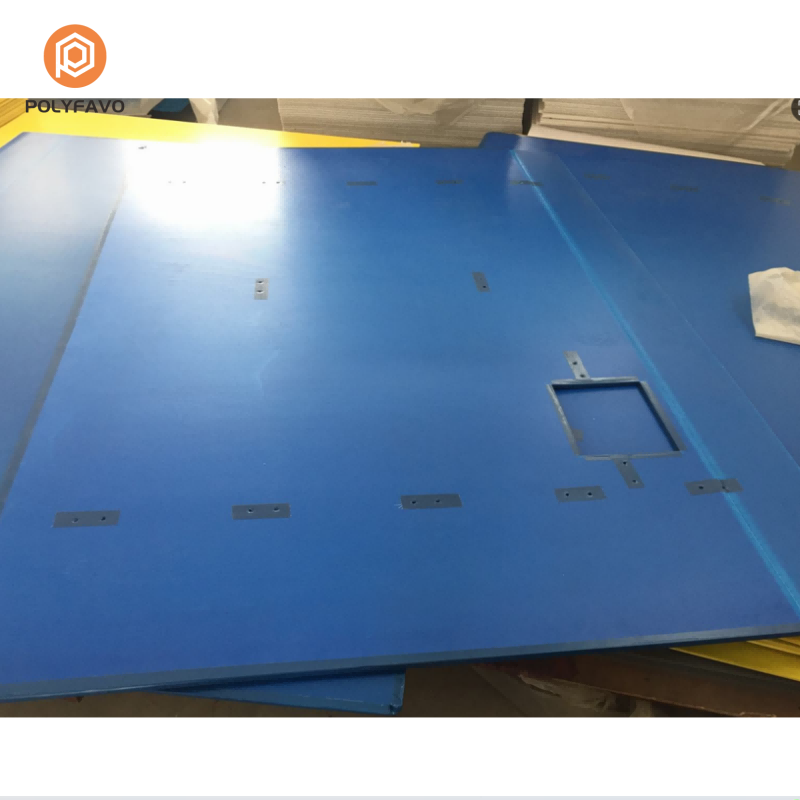
Industrial packaging solutions have evolved significantly in recent years, with businesses increasingly turning to durable and cost-effective storage options. A plastic gaylord box represents one of the most versatile and efficient packaging solutions available in today's market, offering superior protection for bulk materials during storage and transportation. These robust containers have become essential components in warehouses, manufacturing facilities, and distribution centers worldwide, providing reliable performance across diverse industries.
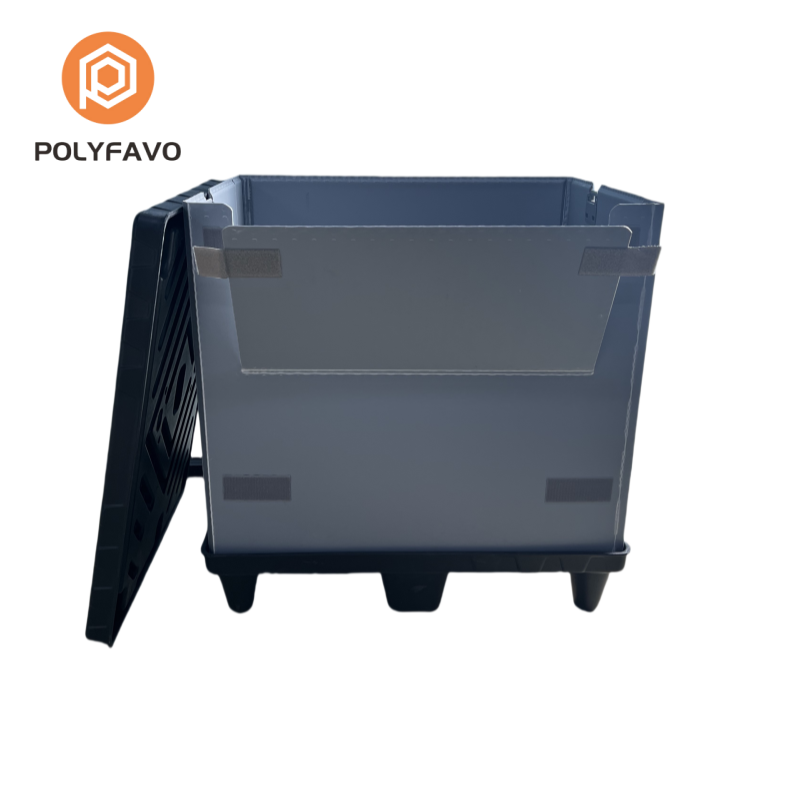
The growing demand for sustainable packaging alternatives has positioned plastic gaylord containers as preferred choices for companies seeking to optimize their supply chain operations. Unlike traditional cardboard alternatives, these containers offer exceptional durability, moisture resistance, and reusability, making them invaluable investments for businesses focused on long-term cost reduction. Understanding the key factors that influence purchasing decisions can help organizations select the most appropriate plastic gaylord box solutions for their specific operational requirements.
Understanding Plastic Gaylord Box Construction and Materials
High-Density Polyethylene Advantages
High-density polyethylene stands as the premier material choice for manufacturing plastic gaylord boxes due to its exceptional strength-to-weight ratio and chemical resistance properties. This thermoplastic polymer provides outstanding durability while maintaining flexibility under various temperature conditions, ensuring consistent performance across different storage environments. HDPE construction enables these containers to withstand impacts, punctures, and compression forces that would typically damage conventional packaging materials.
The molecular structure of high-density polyethylene creates a barrier against moisture, chemicals, and contaminants, protecting stored materials from environmental factors that could compromise product quality. This inherent resistance makes plastic gaylord containers ideal for storing sensitive materials, pharmaceuticals, food products, and industrial components that require pristine storage conditions. Additionally, HDPE materials are fully recyclable, supporting corporate sustainability initiatives while reducing environmental impact.
Structural Design Features
Modern plastic gaylord box designs incorporate reinforced corners, ribbed walls, and integrated stacking features that maximize structural integrity while optimizing storage efficiency. These design elements distribute weight evenly across the container's surface, preventing deformation under heavy loads and ensuring stable stacking configurations. Reinforced corner construction provides additional protection against impact damage during handling and transportation processes.
Wall thickness variations throughout the container structure allow manufacturers to optimize material usage while maintaining strength requirements. Strategic ribbing patterns increase rigidity without adding excessive weight, creating containers that balance durability with portability. Integrated molded handles, drainage holes, and ventilation features can be incorporated during manufacturing to meet specific application requirements.
Capacity and Size Considerations for Optimal Performance
Standard Volume Options
Plastic gaylord box manufacturers offer various capacity options ranging from compact 20-gallon units to large 60-gallon containers, accommodating diverse storage requirements across different industries. Standard sizing follows established warehouse pallet configurations, ensuring seamless integration with existing material handling equipment and storage systems. These standardized dimensions facilitate efficient space utilization while maintaining compatibility with forklifts, pallet jacks, and automated handling systems.
Mid-range capacity options, typically between 35-45 gallons, represent the most popular choices for general industrial applications due to their optimal balance of storage volume and handling convenience. These sizes provide sufficient capacity for bulk materials while remaining manageable for manual handling when necessary. Larger capacity units excel in high-volume operations where maximizing storage density takes priority over individual container portability.
Custom Sizing Solutions
Many manufacturers provide custom sizing options for plastic gaylord containers to address specific operational requirements that standard dimensions cannot accommodate effectively. Custom sizing allows businesses to optimize storage efficiency within existing facility constraints while meeting unique product specifications. These tailored solutions often prove cost-effective for companies with consistent, high-volume requirements that justify custom tooling investments.
Dimensional modifications can include height adjustments, base configurations, and specialized features that enhance functionality for particular applications. Custom plastic gaylord box solutions enable precise fitting within existing storage systems, maximizing facility utilization while maintaining operational efficiency. Working with experienced manufacturers ensures custom solutions meet regulatory requirements while delivering expected performance characteristics.
Evaluating Durability and Load-Bearing Specifications
Weight Capacity Standards
Professional-grade plastic gaylord boxes typically support static loads ranging from 1,500 to 3,000 pounds, depending on construction specifications and intended applications. Dynamic load ratings, which account for movement and handling stresses, generally range between 1,000 to 2,000 pounds for standard industrial units. These capacity ratings ensure safe operation under normal warehouse conditions while providing adequate safety margins for unexpected load variations.
Load distribution characteristics play crucial roles in determining actual weight capacity performance. Evenly distributed loads maximize container strength utilization, while concentrated loads may require capacity derating to prevent structural failure. Understanding load distribution principles helps users optimize plastic gaylord box performance while maintaining safety standards throughout their operational lifecycle.
Impact Resistance Properties
Impact resistance testing evaluates how well plastic gaylord containers withstand drops, collisions, and rough handling during transportation and storage operations. High-quality units demonstrate minimal damage when subjected to standardized drop tests from typical handling heights. This resistance stems from material properties, wall thickness, and structural design elements that absorb and distribute impact energy effectively.
Temperature variations significantly influence impact resistance characteristics, with colder conditions typically reducing flexibility and increasing brittleness. Quality manufacturers specify performance parameters across expected operating temperature ranges, ensuring reliable performance in diverse storage environments. Regular impact testing during manufacturing ensures consistent quality standards across production batches.
Cost Analysis and Return on Investment Factors
Initial Purchase Considerations
While plastic gaylord boxes require higher initial investments compared to disposable cardboard alternatives, their extended service life and reusability characteristics typically generate significant cost savings over time. Purchase price variations depend on factors including material specifications, capacity, custom features, and order quantities. Volume purchasing arrangements often provide substantial per-unit cost reductions for businesses with consistent requirements.
Quality differences between manufacturers can significantly impact long-term value propositions. Premium plastic gaylord box options may cost more initially but deliver extended service life, reduced maintenance requirements, and superior performance characteristics that justify higher investments. Evaluating total cost of ownership rather than initial purchase price provides more accurate financial comparisons.
Lifecycle Cost Benefits
Reusability represents the primary economic advantage of plastic gaylord containers over disposable packaging alternatives. Quality units can withstand hundreds of use cycles with proper care and maintenance, spreading initial costs across extensive service periods. This reusability eliminates recurring replacement costs associated with single-use packaging while reducing waste disposal expenses and environmental impact.
Maintenance costs for plastic gaylord boxes remain minimal throughout their service life, typically involving periodic cleaning and inspection procedures. Unlike wooden or cardboard alternatives, these containers resist moisture damage, pest infiltration, and structural degradation that would require frequent repairs or replacements. Reduced maintenance requirements translate to lower labor costs and improved operational efficiency over time.
Industry-Specific Applications and Requirements
Food and Pharmaceutical Industries
Food processing and pharmaceutical manufacturing industries require plastic gaylord box solutions that meet stringent hygiene and regulatory standards. FDA-approved materials and construction methods ensure these containers remain suitable for direct food contact applications while maintaining chemical resistance properties. Smooth interior surfaces facilitate thorough cleaning procedures, preventing bacterial growth and contamination risks that could compromise product safety.
Temperature stability characteristics become critical factors for pharmaceutical applications where maintaining specific environmental conditions ensures product efficacy. Plastic gaylord containers provide consistent performance across temperature ranges typically encountered in controlled storage environments. Their chemical inertness prevents interactions with sensitive pharmaceutical compounds while providing secure containment throughout storage periods.
Automotive and Manufacturing Sectors
Automotive manufacturing operations utilize plastic gaylord boxes for component storage, work-in-process inventory management, and finished goods handling. These applications demand containers capable of withstanding industrial environments while protecting precision components from contamination and damage. Chemical resistance properties prove essential when storing parts treated with oils, solvents, or other automotive fluids.
Manufacturing environments often involve automated material handling systems that require containers with consistent dimensional tolerances and structural integrity. Plastic gaylord box solutions designed for these applications incorporate features that ensure reliable performance with conveyor systems, robotic handling equipment, and automated storage retrieval systems. Standardized dimensions facilitate seamless integration with existing manufacturing infrastructure.
Selection Criteria for Maximum Operational Efficiency
Facility Integration Requirements
Successful plastic gaylord box implementation requires careful evaluation of existing facility infrastructure, including ceiling heights, aisle widths, and material handling equipment specifications. Container dimensions must accommodate facility constraints while maximizing storage density and operational efficiency. Stacking height capabilities should align with available vertical space while maintaining safe access for loading and unloading operations.
Material handling equipment compatibility ensures smooth integration with existing warehouse operations. Forklift pocket dimensions, pallet jack clearances, and crane lifting points must align with container design features to prevent operational disruptions. Evaluating these compatibility factors during selection prevents costly modifications or equipment replacements after implementation.
Environmental Conditions Assessment
Storage environment characteristics significantly influence plastic gaylord box performance and service life expectations. Temperature fluctuations, humidity levels, chemical exposures, and UV radiation all impact material properties over time. Selecting containers with appropriate environmental resistance ensures reliable performance throughout their intended service life while minimizing premature degradation or failure risks.
Outdoor storage applications require enhanced UV stabilization and weather resistance properties that may not be necessary for indoor installations. Similarly, chemical processing environments demand specific resistance characteristics that ensure container integrity when exposed to process chemicals or cleaning agents. Matching container specifications to environmental conditions optimizes performance while preventing premature replacement requirements.
Quality Standards and Certification Requirements
Manufacturing Quality Control
Reputable plastic gaylord box manufacturers implement comprehensive quality control procedures that ensure consistent product specifications and performance characteristics. These procedures typically include raw material testing, in-process monitoring, and finished product inspection protocols that verify dimensional accuracy, structural integrity, and material properties. Quality certifications from recognized industry organizations provide additional assurance of manufacturing standards compliance.
Material traceability systems enable manufacturers to track raw material sources and production parameters for each container batch. This traceability supports quality investigations and provides documentation required for regulated industries. Comprehensive quality documentation helps users demonstrate compliance with internal standards and regulatory requirements.
Regulatory Compliance Considerations
Industries subject to regulatory oversight require plastic gaylord containers that meet specific compliance standards for material composition, manufacturing processes, and performance characteristics. FDA regulations govern containers used in food and pharmaceutical applications, while DOT requirements apply to containers used for hazardous material transportation. Understanding applicable regulations ensures selection of compliant containers that prevent regulatory issues.
International standards such as ISO certifications provide frameworks for evaluating container quality and performance consistency. These standards facilitate global supply chain integration while ensuring consistent quality expectations across different geographic markets. Compliance documentation supports audit requirements and demonstrates commitment to quality standards.
Maintenance and Longevity Best Practices
Cleaning and Sanitization Procedures
Proper cleaning procedures significantly extend plastic gaylord box service life while maintaining hygiene standards required for various applications. Standard cleaning protocols involve removal of residual materials, washing with appropriate cleaning agents, and thorough drying before storage or reuse. Chemical compatibility between cleaning agents and container materials prevents degradation that could compromise structural integrity.
Sanitization requirements vary by industry, with food and pharmaceutical applications demanding more stringent procedures than general industrial uses. Steam cleaning, chemical sanitization, and UV sterilization methods each offer specific advantages depending on contamination risks and operational constraints. Establishing standardized cleaning procedures ensures consistent container condition while preventing cross-contamination between different products or batches.
Inspection and Replacement Guidelines
Regular inspection procedures help identify wear patterns, damage, or degradation that could affect plastic gaylord box performance or safety. Visual inspections should focus on corner integrity, wall thickness, handle condition, and surface damage that might indicate approaching end-of-service-life conditions. Establishing inspection frequencies based on usage intensity helps optimize replacement timing while preventing unexpected failures.
Replacement criteria should consider factors beyond visible damage, including cumulative usage hours, load history, and environmental exposure duration. Proactive replacement prevents operational disruptions while ensuring consistent performance standards. Tracking container service history enables data-driven replacement decisions that optimize total cost of ownership.
FAQ
What factors should I consider when choosing between different plastic gaylord box capacities?
Capacity selection depends primarily on your material density, handling equipment capabilities, and storage space constraints. Consider the weight of materials you'll be storing, as higher capacity containers may exceed safe handling limits when fully loaded. Evaluate your facility's vertical clearance, aisle widths, and material handling equipment specifications to ensure selected containers integrate smoothly with existing operations. Additionally, consider labor requirements, as larger containers may require mechanical handling equipment while smaller units allow manual manipulation.
How do I determine the appropriate load capacity for my specific application?
Load capacity determination involves evaluating both static and dynamic loading conditions your plastic gaylord box will encounter. Calculate the maximum weight of materials you plan to store, including any potential overloading scenarios. Consider stacking requirements, transportation stresses, and handling forces that create dynamic loading conditions. Always maintain safety margins by selecting containers rated for loads significantly higher than your typical requirements, and ensure even load distribution to maximize structural performance.
What maintenance procedures are necessary to maximize container service life?
Effective maintenance involves regular cleaning, periodic inspection, and proper storage when not in use. Clean containers thoroughly after each use with appropriate cleaning agents compatible with the plastic material. Inspect for cracks, excessive wear, or damage that could compromise structural integrity. Store containers in protected areas away from UV exposure and extreme temperatures. Rotate container usage to ensure even wear distribution across your inventory, and establish replacement criteria based on usage cycles and condition assessments.
How can I ensure regulatory compliance when using plastic gaylord boxes in regulated industries?
Regulatory compliance requires selecting containers manufactured from approved materials and following established guidelines for your specific industry. Verify that containers meet FDA requirements for food contact applications or other relevant regulatory standards. Maintain documentation proving compliance, including material certifications and manufacturing quality records. Establish procedures for cleaning, sanitization, and inspection that meet regulatory requirements, and ensure staff training covers proper handling and maintenance procedures to maintain compliance throughout the container lifecycle.
Table of Contents
- Understanding Plastic Gaylord Box Construction and Materials
- Capacity and Size Considerations for Optimal Performance
- Evaluating Durability and Load-Bearing Specifications
- Cost Analysis and Return on Investment Factors
- Industry-Specific Applications and Requirements
- Selection Criteria for Maximum Operational Efficiency
- Quality Standards and Certification Requirements
- Maintenance and Longevity Best Practices
-
FAQ
- What factors should I consider when choosing between different plastic gaylord box capacities?
- How do I determine the appropriate load capacity for my specific application?
- What maintenance procedures are necessary to maximize container service life?
- How can I ensure regulatory compliance when using plastic gaylord boxes in regulated industries?