EN
EN

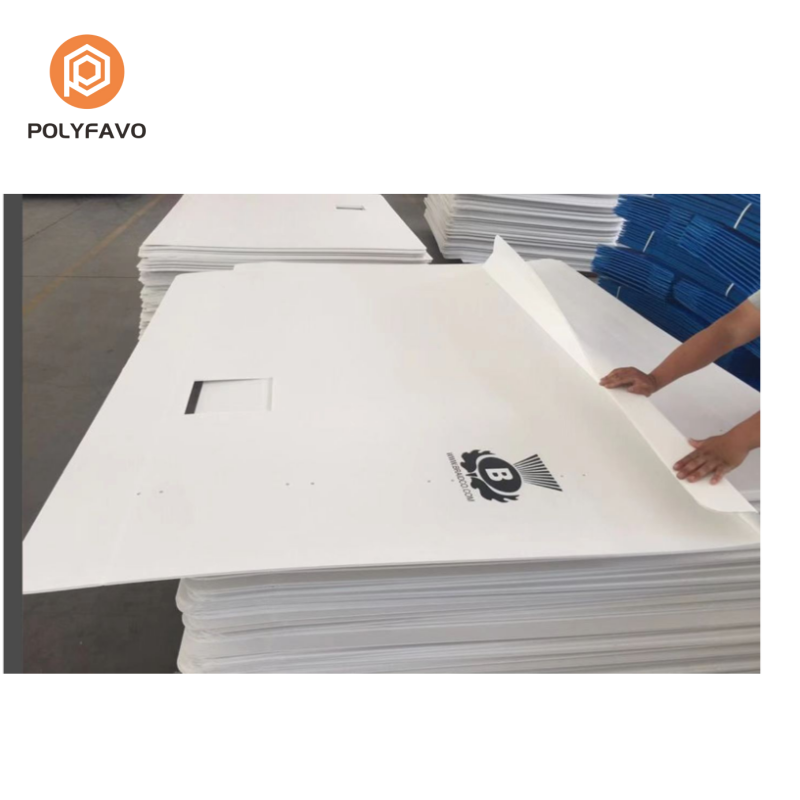
The automotive industry continues to evolve with innovative materials that enhance vehicle performance, durability, and functionality. Among these breakthrough solutions, PP honeycomb panels have emerged as a game-changing technology for van interior protection and customization. These lightweight yet robust panels are transforming how commercial vehicle owners approach cargo area protection, offering superior strength-to-weight ratios while maintaining cost-effectiveness. Modern transportation demands require materials that can withstand heavy-duty usage while providing long-term reliability, making PP honeycomb panels an ideal choice for professional fleet operators and individual vehicle owners alike.
Understanding the Technology Behind PP Honeycomb Panel Construction
Material Science and Manufacturing Process
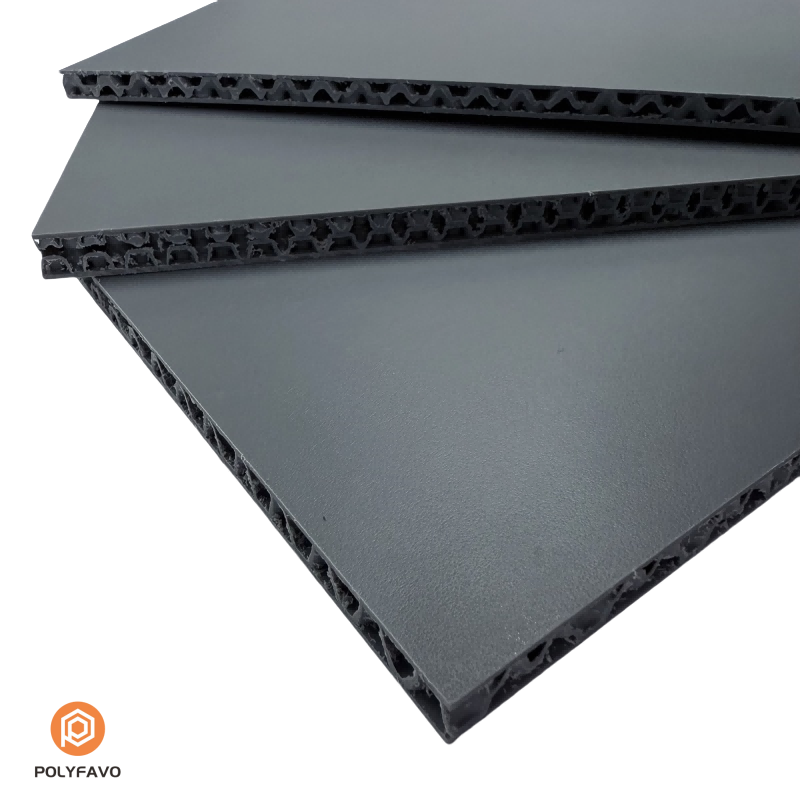
The construction of PP honeycomb panels involves sophisticated manufacturing techniques that create a unique cellular structure resembling a honeybee's comb. This geometric design maximizes structural integrity while minimizing material usage, resulting in panels that deliver exceptional performance characteristics. The polypropylene base material undergoes precise forming processes to create hexagonal cells that distribute load forces evenly across the panel surface. Advanced extrusion and thermoforming technologies ensure consistent cell dimensions and wall thickness throughout each panel. The manufacturing process also incorporates quality control measures that guarantee uniform density and strength properties across every production batch.
Quality assurance protocols during production include rigorous testing of impact resistance, flexural strength, and dimensional stability. These comprehensive evaluations ensure that each PP honeycomb panel meets stringent automotive industry standards for interior protection applications. The controlled manufacturing environment prevents contamination and maintains consistent material properties that are essential for long-term performance reliability. Temperature and humidity controls during production create optimal conditions for achieving precise cellular structures that maximize the panels' protective capabilities.
Structural Engineering Advantages
The honeycomb architecture of these panels creates remarkable engineering advantages that surpass traditional solid panel constructions. Each hexagonal cell acts as a miniature support column, distributing applied forces across multiple load paths and preventing localized stress concentrations. This structural efficiency allows PP honeycomb panels to achieve impressive strength-to-weight ratios that make them ideal for automotive applications where weight reduction is crucial. The cellular design also provides excellent energy absorption characteristics, protecting van interiors from impact damage during cargo loading and transport operations.
Engineering analysis demonstrates that the honeycomb structure can withstand significantly higher loads compared to solid panels of equivalent weight. The geometric efficiency of the hexagonal pattern optimizes material usage while maintaining structural performance, resulting in cost-effective solutions for commercial vehicle protection. Advanced finite element analysis validates the superior load distribution capabilities of PP honeycomb panels, confirming their effectiveness in demanding automotive environments where durability and reliability are paramount considerations.
Applications and Performance Benefits in Van Interior Protection
Commercial Fleet Integration
Commercial fleet operators have discovered significant operational benefits when integrating PP honeycomb panels into their vehicle protection strategies. These panels provide comprehensive interior shielding that extends vehicle service life while reducing maintenance costs associated with cargo area damage. Fleet managers report substantial improvements in vehicle resale values when PP honeycomb panels are installed as protective liners. The panels effectively prevent scratches, dents, and other damage that typically occurs during frequent loading and unloading operations in commercial environments.
Installation of PP honeycomb panels in commercial fleets creates standardized protection across multiple vehicles, simplifying maintenance procedures and parts inventory management. The uniform appearance and consistent performance characteristics of these panels help maintain professional fleet aesthetics while providing reliable protection. Fleet operators appreciate the modular design capabilities that allow for customized configurations based on specific cargo requirements and vehicle dimensions. The lightweight nature of PP honeycomb panels also contributes to improved fuel efficiency across entire fleet operations.
Durability and Longevity Features
Long-term durability testing reveals that PP honeycomb panels maintain their protective properties even under extreme operating conditions. The polypropylene material demonstrates excellent resistance to chemicals, moisture, and temperature fluctuations commonly encountered in commercial vehicle environments. These panels retain their structural integrity through thousands of loading cycles, making them suitable for high-usage applications where reliability is essential. The cellular construction prevents crack propagation, ensuring that minor damage remains localized and does not compromise overall panel performance.
Environmental resistance testing confirms that PP honeycomb panels withstand UV exposure, temperature cycling, and humidity variations without significant degradation. The material's inherent stability ensures consistent performance throughout extended service periods, reducing replacement frequency and associated costs. Advanced aging studies demonstrate that these panels maintain their protective capabilities for many years under typical automotive operating conditions, providing excellent return on investment for vehicle owners.
Installation Considerations and Technical Specifications
Thickness Options and Performance Characteristics
The availability of PP honeycomb panels in 4mm and 5mm thickness options provides flexibility for different protection requirements and vehicle configurations. The 4mm variant offers excellent protection for light to moderate-duty applications while maintaining minimal weight addition to the vehicle. These thinner panels are particularly suitable for passenger vans and light commercial vehicles where weight considerations are important. The reduced thickness also simplifies installation in vehicles with limited clearance or complex interior geometries.
The 5mm thickness option delivers enhanced protection for heavy-duty commercial applications where maximum durability is required. These panels provide superior impact resistance and can withstand more aggressive cargo handling operations without compromising their protective function. The additional thickness creates increased energy absorption capacity, making 5mm PP honeycomb panels ideal for construction vehicles, delivery trucks, and other demanding commercial applications. The enhanced structural properties of thicker panels also enable larger unsupported spans in installation configurations.
Installation Methodology and Best Practices
Proper installation techniques are crucial for maximizing the protective benefits of PP honeycomb panels in van interior applications. Professional installation begins with thorough measurement and templating to ensure precise fit and optimal coverage of vulnerable interior surfaces. The lightweight nature of these panels simplifies handling during installation, reducing labor requirements and installation time compared to heavier alternative materials. Specialized cutting tools and techniques ensure clean edges and precise dimensions for professional-appearing installations.
Attachment methods for PP honeycomb panels must consider the vehicle's structure and intended usage patterns to ensure secure, long-lasting installations. Proper spacing of attachment points prevents panel deflection while allowing for thermal expansion and vehicle flexing during operation. Installation guidelines specify appropriate adhesives and mechanical fasteners that are compatible with both the panels and vehicle interior materials. Quality installation practices include protection of electrical systems and careful attention to maintaining vehicle safety features during panel installation.
Comparative Analysis with Traditional Protection Methods
Weight and Performance Comparisons
Traditional van protection methods often involve heavy materials that significantly increase vehicle weight and reduce payload capacity. PP honeycomb panels offer substantial weight savings compared to plywood, metal sheeting, or solid plastic alternatives while providing superior or equivalent protection performance. The cellular structure achieves remarkable strength-to-weight ratios that allow vehicle owners to maximize cargo capacity without sacrificing interior protection. Detailed analysis reveals that PP honeycomb panels can reduce protection system weight by 40-60% compared to conventional materials.
Performance testing demonstrates that PP honeycomb panels equal or exceed the impact resistance of much heavier traditional materials. The energy absorption characteristics of the honeycomb structure provide superior protection against dynamic loads and impact forces. These panels also demonstrate better fatigue resistance compared to solid materials, maintaining their protective properties through repeated stress cycles. The improved performance-to-weight ratio of PP honeycomb panels translates directly into operational benefits for commercial vehicle operators.
Cost-Effectiveness and Return on Investment
Economic analysis reveals that PP honeycomb panels provide excellent return on investment through multiple value factors including material costs, installation efficiency, and long-term durability. The lightweight design reduces shipping costs and simplifies handling, contributing to lower total project costs. Installation time savings result from the panels' ease of cutting and fitting, reducing labor expenses compared to traditional heavy materials. The modular nature of PP honeycomb panels also enables partial replacement when necessary, minimizing maintenance costs over the vehicle's service life.
Long-term cost benefits include reduced fuel consumption due to weight savings and extended vehicle interior life resulting from effective protection. Vehicle owners report improved resale values when PP honeycomb panels are properly installed and maintained. The panels' resistance to damage and degradation reduces replacement frequency compared to alternative protection methods, providing sustained value throughout the vehicle's operational period. Total cost of ownership calculations consistently favor PP honeycomb panels over traditional protection approaches.
Industry Trends and Future Developments
Market Adoption and Growth Patterns
The adoption rate of PP honeycomb panels in commercial vehicle applications continues to accelerate as fleet operators recognize the multiple benefits these materials provide. Industry surveys indicate growing awareness of weight reduction benefits and their impact on operational costs and environmental considerations. Major fleet operators are increasingly specifying PP honeycomb panels as standard equipment for new vehicle acquisitions. The trend toward lighter, more efficient commercial vehicles drives continued growth in demand for advanced materials like PP honeycomb panels.
Market research demonstrates expanding applications beyond traditional van liner uses, with PP honeycomb panels finding acceptance in specialty vehicle configurations and custom applications. The versatility of these panels enables manufacturers to develop innovative solutions for diverse transportation needs. Growing environmental awareness also favors PP honeycomb panels due to their recyclability and reduced material usage compared to traditional alternatives. Industry analysts predict continued strong growth in the PP honeycomb panels market driven by regulatory pressures for fuel efficiency and emissions reduction.
Technological Innovation and Material Advancement
Ongoing research and development efforts focus on enhancing the already impressive performance characteristics of PP honeycomb panels through material science innovations. Advanced polymer formulations promise improved impact resistance, temperature stability, and chemical resistance for specialized applications. New manufacturing techniques enable more precise control of cellular structures, potentially improving strength and reducing weight even further. Surface treatment technologies are being developed to enhance adhesion, appearance, and specific performance properties.
Future developments in PP honeycomb panels may include integrated functional elements such as insulation properties, acoustic dampening, or even electronic integration capabilities. Research into bio-based polypropylene materials could enhance the environmental profile of these panels while maintaining their excellent performance characteristics. Advanced testing methodologies and quality control systems continue to improve consistency and reliability of PP honeycomb panels across all production volumes and specifications.
FAQ
What makes PP honeycomb panels superior to traditional van liner materials?
PP honeycomb panels offer significant advantages over traditional materials through their unique cellular structure that provides exceptional strength-to-weight ratios. Unlike heavy plywood or metal alternatives, these panels deliver superior impact protection while reducing vehicle weight by 40-60%. The honeycomb geometry distributes loads evenly, preventing localized damage and crack propagation that commonly affects solid materials. Additionally, PP honeycomb panels resist moisture, chemicals, and temperature variations better than many traditional options, ensuring longer service life and consistent performance in demanding commercial environments.
How do different thickness options affect performance and application suitability?
The 4mm PP honeycomb panels are ideal for light to moderate-duty applications where weight minimization is important, such as passenger vans and light commercial vehicles. These thinner panels provide excellent protection while maintaining minimal impact on vehicle payload capacity. The 5mm option delivers enhanced impact resistance and energy absorption for heavy-duty commercial applications, construction vehicles, and high-usage scenarios. Thicker panels can also span larger unsupported areas and withstand more aggressive cargo handling operations, making thickness selection dependent on specific application requirements and expected service conditions.
What installation considerations are important for optimal PP honeycomb panel performance?
Successful installation requires precise measurement and templating to ensure proper fit and coverage of vulnerable interior surfaces. Attachment methods must balance secure mounting with allowance for thermal expansion and vehicle flexing during operation. Professional installation includes appropriate spacing of attachment points to prevent panel deflection while using compatible adhesives and mechanical fasteners. Proper cutting techniques ensure clean edges and professional appearance, while careful attention to electrical systems and safety features maintains vehicle integrity throughout the installation process.
How do PP honeycomb panels contribute to long-term cost savings?
PP honeycomb panels generate cost savings through multiple mechanisms including reduced fuel consumption due to weight savings, extended vehicle interior life through effective protection, and improved resale values. The panels' durability reduces replacement frequency compared to traditional materials, while their modular design enables cost-effective partial replacement when necessary. Installation efficiency reduces labor costs, and the panels' resistance to damage minimizes maintenance requirements throughout the vehicle's service life. Total cost of ownership calculations consistently demonstrate superior economic performance compared to alternative protection methods.
Table of Contents
- Understanding the Technology Behind PP Honeycomb Panel Construction
- Applications and Performance Benefits in Van Interior Protection
- Installation Considerations and Technical Specifications
- Comparative Analysis with Traditional Protection Methods
- Industry Trends and Future Developments
-
FAQ
- What makes PP honeycomb panels superior to traditional van liner materials?
- How do different thickness options affect performance and application suitability?
- What installation considerations are important for optimal PP honeycomb panel performance?
- How do PP honeycomb panels contribute to long-term cost savings?