EN
EN

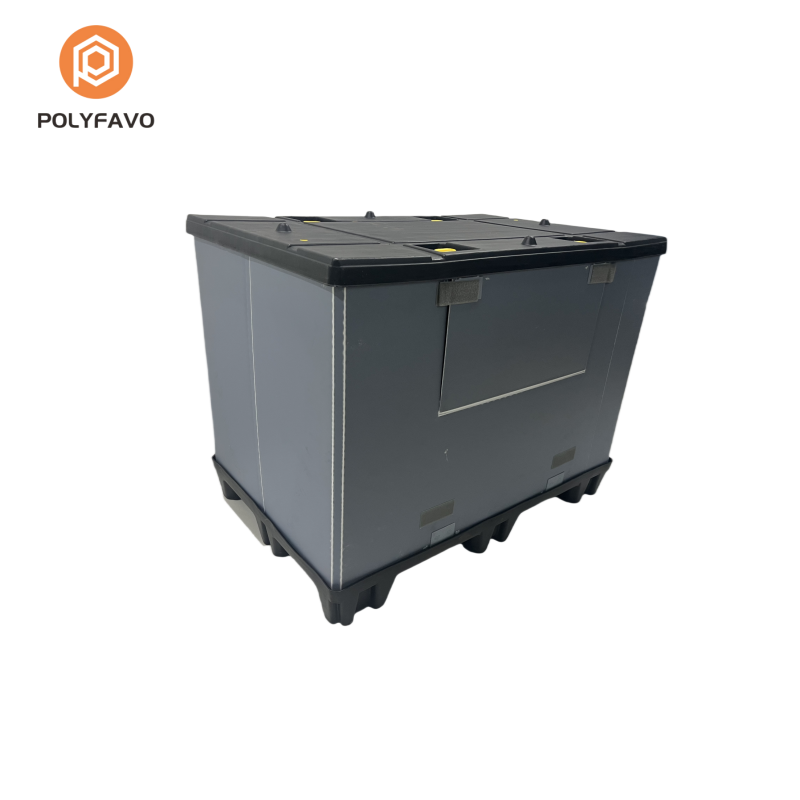
When goods travel across continents, the structural integrity of every pallet box in your shipment becomes a critical factor in whether those goods arrive intact. A pallet box that is improperly stacked, poorly secured, or mismatched to the load it carries can cause catastrophic losses during ocean freight, road transport, or air cargo handling. Understanding the mechanics of pallet box stacking is not simply a warehouse best practice — it is a strategic necessity for any operation that moves heavy or fragile goods across global supply chains. The right pallet box configuration directly determines how much compressive force each unit can absorb, how stable the entire stack remains during transit, and whether your cargo meets the handling standards required by international freight carriers.
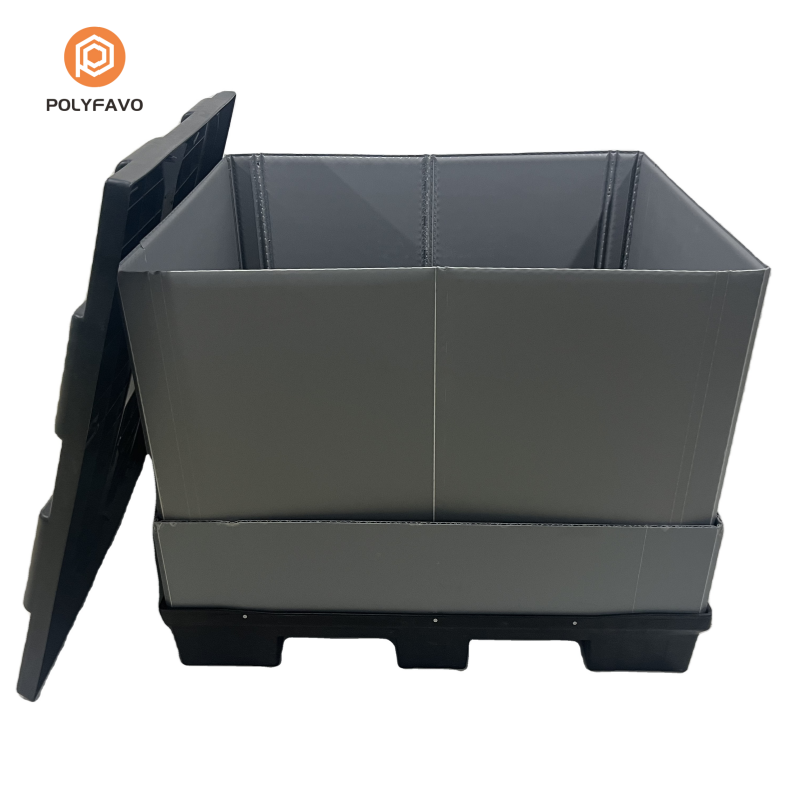
This guide is designed specifically for logistics managers, procurement specialists, and supply chain operators who rely on a heavy duty pallet box to move bulk or industrial goods internationally. Each section focuses on actionable stacking principles, structural considerations, and load management strategies that apply directly to real-world global transit scenarios. Whether you are shipping automotive components, chemical drums, or agricultural products, mastering pallet box stacking is the foundation of a damage-free, cost-efficient international logistics operation.
Structural Foundations of a Heavy Duty Pallet Box
Load-Bearing Design and Material Selection
The stacking performance of any pallet box begins with its structural design. A heavy duty pallet box is typically constructed from high-density polyethylene or reinforced composite materials that distribute vertical loads evenly across the base and side walls. The corner posts of a pallet box are the primary load-bearing elements during stacking, meaning the compression strength is concentrated at those four critical points. When selecting a pallet box for international transit, buyers must verify the rated stack load — expressed in kilograms — which defines how much weight the pallet box can sustain when fully loaded units are placed on top of it. Ignoring this specification is one of the most common causes of stack collapse in transit.
A well-engineered pallet box will also include reinforced base runners or a full-perimeter base frame that allows forklift and pallet jack access without compromising structural rigidity. The collar sleeve design, used in many industrial pallet box models, adds modular height capacity and maintains sidewall stiffness even when the box is used for irregularly shaped loads. This design is particularly valuable in global transit, where vibration, temperature changes, and shifting loads can weaken rigid containers over extended journey times. Choosing a pallet box with the right material grade and structural reinforcement profile is the first secret to safe global stacking.
Stack Rating Verification Before Loading
Before any pallet box enters a stacking configuration for international shipment, the stack rating must be verified against the actual loaded weight. A common mistake is assuming that the nominal stack rating applies regardless of fill weight — in reality, the allowable stack height decreases as the individual pallet box weight increases. For example, if a pallet box is rated for a 3,000 kg dynamic stack load and each unit weighs 500 kg when filled, the operator must calculate whether a four-high or five-high stack remains within the safe load envelope. Exceeding this limit — even by a small margin — creates a compounding risk as vibration and inertia forces in transit add effective load beyond the static figure. Always use a conservative stack calculation and document the verified load for freight compliance purposes.
Stacking Techniques for International Freight Conditions
Column Stacking Versus Interlocked Stacking
Two primary stacking methods are used when loading a pallet box for container or trailer shipment: column stacking and interlocked stacking. In column stacking, each pallet box is placed directly above the one below, aligning corner posts precisely. This method maximizes the compressive strength of the pallet box by directing all vertical force through the reinforced corners. Column stacking is the preferred method when uniform box dimensions are used throughout the shipment and when the pallet box models are specifically engineered with corner-to-corner load transfer. Interlocked stacking, by contrast, alternates the orientation of each layer to improve lateral stability, but this method can reduce the effective compressive rating of the pallet box because loads are transferred partially through the sidewalls rather than exclusively through the corners.
For global transit, column stacking with horizontal strapping between layers is generally the safest approach for a heavy duty pallet box carrying dense industrial goods. The strapping prevents individual units from shifting laterally if the stack encounters sudden braking forces or rough road surfaces. When using a pallet box with a collar sleeve, the sleeve sections themselves contribute to sidewall rigidity and reduce the likelihood of the upper units tilting under dynamic transit conditions. Matching the stacking method to the pallet box design is a key professional decision that directly affects cargo safety over long-distance routes.
Securing and Wrapping Stacked Pallet Box Units
Securing a stacked pallet box configuration for international transit requires a layered approach to containment. The base layer of each pallet box must be firmly placed on a flat, clean container floor to prevent rocking. Stretch wrap applied spirally from the base of the lowest pallet box to the top of the highest unit creates a unified column that resists tipping during handling. However, stretch wrap alone is not sufficient for ocean freight or multimodal routes that involve multiple transfer points. Steel or polyester banding across the full stack height, combined with anti-slip mats between each pallet box layer, creates the level of restraint required by most international freight standards. Anti-slip mats are a low-cost addition that significantly reduces the micro-movement between pallet box units, preventing cumulative displacement over long voyage distances.
Load Distribution and Weight Management in Global Transit
Balancing Weight Across the Pallet Box Stack
Uneven weight distribution within a pallet box stack is a leading cause of transit damage. When heavier pallet box units are placed above lighter ones, the center of gravity rises and lateral stability decreases. The correct practice is to always position the heaviest pallet box units at the base of the stack and progressively reduce weight toward the top. This principle applies whether you are filling a 20-foot container with multiple pallet box columns or loading a flatbed trailer with a single row. In global transit, where a pallet box may pass through three or four handling stages — including port loading, vessel transit, port unloading, and final delivery — maintaining a low center of gravity throughout the entire journey is essential for preventing tip-over events.
Filling Voids to Prevent Internal Load Shifting
An often-overlooked stacking secret involves the contents inside each pallet box, not just the external stack configuration. A pallet box that is only partially filled can experience internal load shifting during transit, which changes the effective weight distribution and applies uneven pressure to the sidewalls. This internal shift can cause a pallet box to bulge or deform under the compressive force of the units stacked above it. To prevent this, use void-fill materials such as foam inserts, air cushions, or corrugated dividers to stabilize contents within each pallet box before stacking. A properly filled pallet box maintains its dimensional integrity, supports the stack above it evenly, and reduces the risk of product damage caused by contents impacting sidewalls during rough transport conditions.
FAQ
What is the maximum stack height recommended for a pallet box in ocean freight containers?
The maximum stack height for a pallet box in ocean freight depends on the rated stack load of the specific pallet box model, the filled weight of each unit, and the container floor load capacity. Most heavy duty pallet box models support three to five units high when loaded within the manufacturer's weight guidelines. Always consult the pallet box technical data sheet and apply a safety margin of at least 10% below the rated stack load to account for dynamic forces during sea transit.
Can a pallet box with a collar sleeve be stacked the same way as a standard rigid pallet box?
A pallet box with a collar sleeve can be stacked using the same column stacking principles as a rigid pallet box, provided that the sleeve sections are fully locked and the base pallet is in good structural condition. The collar sleeve design adds flexibility for variable fill heights, but operators must ensure that all sleeve joints are secure before placing weight on top. In global transit, inspect each pallet box collar connection before loading the container to prevent sleeve separation under compressive load.
How should a pallet box be prepared for multimodal international shipments involving sea and road legs?
For multimodal shipments, each pallet box should be prepared with internal void fill, anti-slip mats between stack layers, and full-height polyester or steel banding. The pallet box stack should be column-stacked with corners aligned and stretch-wrapped as a single unit. Document the stack configuration and load weights for compliance with international freight carrier requirements. Inspect each pallet box at each transfer point and re-secure any banding or wrapping that shows signs of loosening before the next transit leg begins.