EN
EN

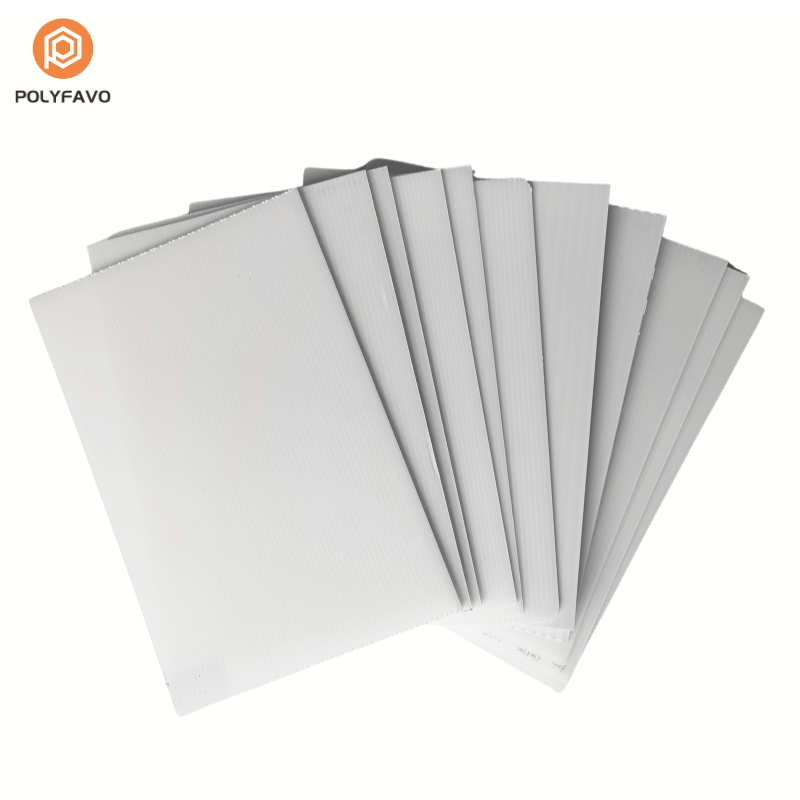
When businesses need signage that balances durability, affordability, and visual impact, corrugated plastic consistently rises to the top of the shortlist. Whether you are managing a real estate campaign, organizing a community event, or promoting a retail storefront, the material you choose for your signs directly affects how long they last, how well they print, and how much value they deliver per dollar spent. Understanding what makes certain corrugated plastic materials better suited for business applications is the first step toward making a smarter purchasing decision.
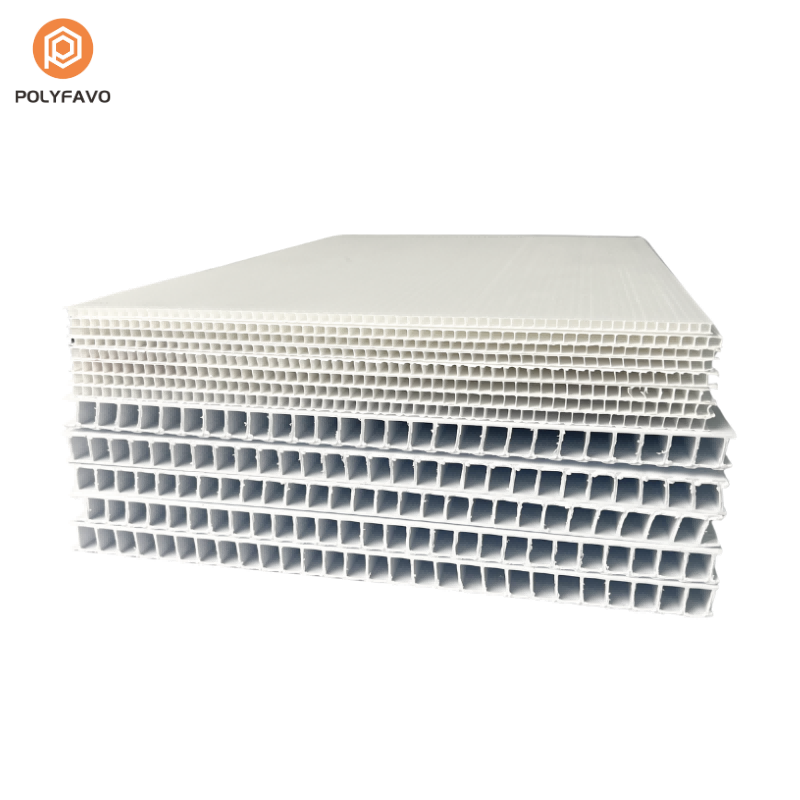
Not all corrugated plastic is created equal. Variations in flute structure, resin composition, surface treatment, and thickness all influence how a finished sign performs in real-world conditions. For businesses that rely on signage as a core part of their marketing or operational communication, selecting the right material grade is not a minor detail — it is a decision that affects brand perception, installation ease, and total cost of ownership. This guide breaks down the key material factors that define quality in business-grade corrugated plastic signs.
Understanding the Core Structure of Corrugated Plastic
The Fluted Core and Its Role in Sign Performance
The defining characteristic of corrugated plastic is its twin-wall fluted core, which runs between two flat outer sheets. This internal channel structure is what gives the material its combination of rigidity and light weight. The flutes act as structural ribs, distributing load and resisting bending forces that would cause a solid sheet of similar weight to flex or warp under pressure.
For business signage, this structural design matters because signs are frequently handled, transported, staked into ground, or mounted on frames. A well-formed fluted core in corrugated plastic ensures the sign holds its flat profile even after repeated use. Flute orientation also plays a role — vertical flutes provide better resistance to top-down bending, which is why most yard signs are manufactured with the channels running from top to bottom.
The density and wall thickness of the fluted core vary by product grade. Entry-level corrugated plastic sheets may use thinner walls and wider flute spacing to reduce material cost, while commercial-grade options feature tighter flute patterns and thicker walls that significantly improve rigidity and impact resistance. For businesses that need signs to survive multiple deployment cycles, investing in a higher-density core pays off over time.
Sheet Thickness and Its Impact on Business Signage
Corrugated plastic sheets are commonly available in thicknesses ranging from 3mm to 10mm, with 4mm and 5mm being the most widely used for standard business signage. Thinner sheets are lighter and less expensive, making them suitable for short-term indoor promotions or single-use event signage. Thicker sheets offer greater stiffness and are better suited for outdoor applications where wind load and physical handling are ongoing concerns.
For most commercial yard sign applications, 4mm corrugated plastic strikes the right balance between cost and performance. It is stiff enough to hold a wire stake without buckling, light enough for easy transport in bulk quantities, and thick enough to accept high-quality print without surface distortion. When signs need to be freestanding or mounted in exposed locations, stepping up to 5mm or 6mm material provides a noticeable improvement in structural confidence.
Businesses ordering large quantities of corrugated plastic signs should specify thickness requirements clearly when working with suppliers. Inconsistent thickness across a batch can lead to uneven print results and installation problems, particularly when using standardized frames or H-wire stakes designed for a specific material gauge.
Material Composition and Weather Resistance
Polypropylene as the Standard Resin for Corrugated Plastic
The vast majority of business-grade corrugated plastic is manufactured from polypropylene, a thermoplastic resin known for its chemical resistance, moisture impermeability, and dimensional stability. Unlike paper-based substrates, polypropylene does not absorb water, which means corrugated plastic signs maintain their structural integrity and print quality even after prolonged exposure to rain, humidity, or morning dew.
Polypropylene is also resistant to most common chemicals, including cleaning agents and mild solvents, which makes corrugated plastic signs easy to wipe down and reuse. For businesses that deploy signs repeatedly across multiple campaigns — such as real estate agencies, political campaign organizers, or franchise operators — this reusability factor significantly reduces the per-use cost of the signage program.
The quality of the polypropylene resin used in corrugated plastic production affects both the material's mechanical properties and its printability. Virgin resin produces a more consistent surface with better ink adhesion, while recycled-content materials may introduce surface irregularities that affect print sharpness. For business applications where brand presentation matters, specifying virgin-resin corrugated plastic is a worthwhile consideration.
UV Stabilization for Outdoor Sign Longevity
One of the most important material specifications for outdoor business signage is UV stabilization. Standard polypropylene without UV additives will begin to degrade when exposed to direct sunlight, becoming brittle and discolored within weeks in high-UV environments. UV-stabilized corrugated plastic incorporates light stabilizers into the resin during manufacturing, significantly extending the material's outdoor service life.
For businesses operating in regions with intense sun exposure, UV-stabilized corrugated plastic is not optional — it is a baseline requirement. Signs that fade, crack, or become brittle prematurely reflect poorly on the brand they represent and create replacement costs that erode the economic advantage of using corrugated plastic in the first place. Asking suppliers to confirm UV stabilization levels before ordering is a straightforward quality control step.
UV stabilization also protects the printed graphics on the sign surface. Even when using UV-resistant inks, a substrate that degrades under sunlight will cause the print layer to crack and peel. The combination of UV-stabilized corrugated plastic and UV-resistant printing inks produces the most durable outdoor sign system available at this price point.
Surface Quality and Print Compatibility
Surface Smoothness and Its Effect on Print Clarity
The outer surface of corrugated plastic sheets must be smooth and consistent to support high-resolution digital printing. Surface texture variations, contamination, or inconsistent flatness can cause ink to spread unevenly, resulting in blurred edges, color banding, or adhesion failures. For business signage where brand colors and sharp typography are critical, surface quality is a non-negotiable specification.
Commercial-grade corrugated plastic is typically produced with a matte or semi-gloss surface finish that accepts both solvent-based and UV-curable inks. The surface energy of the polypropylene must be high enough to allow ink to bond without beading or running. Some manufacturers apply a corona treatment to the sheet surface during production to raise surface energy and improve ink adhesion, which is particularly important for fine-detail graphics.
When evaluating corrugated plastic for business sign production, requesting print test samples before committing to a large order is a practical approach. A test print reveals surface consistency, color accuracy, and ink adhesion quality in a way that material specifications alone cannot fully predict. This step is especially important when switching between suppliers or material grades.
Color Options and Branding Flexibility
Corrugated plastic sheets are available in a wide range of base colors, with white being the most common choice for printed business signage. A white substrate provides the most accurate color reproduction for full-color digital prints, as it acts as a neutral base that does not shift the appearance of printed colors. For single-color or two-color designs, colored corrugated plastic sheets can reduce printing costs by eliminating the need to print background colors.
Businesses with strong brand color requirements should verify that their chosen corrugated plastic supplier can provide consistent color matching across multiple production batches. Color variation between batches can create visible inconsistencies when signs from different orders are displayed together, which is a common issue for franchise networks or multi-location retailers managing large sign inventories.
For applications where the sign will be viewed from both sides, double-sided printing on corrugated plastic is a cost-effective option. The material's flat, smooth surfaces on both faces make it straightforward to print identical or complementary graphics on each side, maximizing the visibility of a single sign installation without requiring additional hardware.
Practical Considerations for Business Sign Procurement
Sizing, Cutting, and Custom Fabrication
Corrugated plastic is easy to cut, score, and shape using standard cutting tools, which makes custom sizing straightforward for sign fabricators. Standard sheet sizes are widely available, but many suppliers also offer custom-cut panels to specific dimensions, reducing material waste and simplifying installation. For businesses ordering signs in non-standard sizes, confirming cut tolerance specifications with the supplier ensures consistent results across large orders.
Routing channels into corrugated plastic for frame insertion or creating custom shapes for die-cut signs are both achievable with the right equipment. Die-cut corrugated plastic signs are popular for shaped promotional displays, branded directional signs, and novelty formats that stand out from standard rectangular signage. The material's consistent density makes it well-suited for clean die-cut edges without tearing or delamination.
When planning a large-format sign program, working with a supplier who can provide both the corrugated plastic substrate and the printing service under one roof simplifies logistics and quality control. Integrated supply chains reduce the risk of material-print compatibility issues and typically offer faster turnaround times for time-sensitive campaigns.
Cost Efficiency and Volume Ordering Strategies
One of the primary reasons businesses choose corrugated plastic for their signage programs is its favorable cost-per-unit at volume. The material is inexpensive to produce, lightweight to ship, and easy to store, all of which contribute to a low total cost of ownership compared to aluminum, foam board, or PVC alternatives. For campaigns requiring hundreds or thousands of signs, these cost advantages compound significantly.
Volume pricing for corrugated plastic signs typically follows a tiered structure, with meaningful price breaks at common quantity thresholds. Businesses that can consolidate their sign orders — combining multiple campaigns or locations into a single purchase — often achieve substantially lower per-unit costs. Planning sign procurement on a quarterly or annual basis rather than on an ad-hoc basis is a straightforward way to access better pricing without sacrificing flexibility.
Storage and reuse planning also affects the true cost of a corrugated plastic sign program. Because the material is durable and moisture-resistant, signs can be stored flat in standard warehouse conditions without degradation. Businesses that invest in proper storage infrastructure can extend the usable life of their corrugated plastic sign inventory, further reducing the effective cost per deployment.
FAQ
How long do corrugated plastic signs typically last outdoors?
With UV-stabilized material and UV-resistant inks, corrugated plastic signs can last anywhere from one to three years in outdoor conditions, depending on sun exposure, temperature extremes, and physical handling. In moderate climates with partial shade, well-made corrugated plastic signs often exceed this range. For maximum longevity, choose a material grade specifically rated for outdoor use and store signs properly between deployments.
Can corrugated plastic signs be used indoors as well as outdoors?
Yes, corrugated plastic is equally well-suited for indoor applications. Its light weight, clean surface, and ease of cutting make it a practical choice for retail point-of-sale displays, directional signage, event wayfinding, and temporary interior promotions. Indoor use eliminates UV and weather concerns, which means standard-grade corrugated plastic without UV stabilization is perfectly adequate for interior-only applications.
What is the best thickness of corrugated plastic for yard signs?
For standard yard sign applications using H-wire stakes, 4mm corrugated plastic is the most widely used and recommended thickness. It provides sufficient rigidity for outdoor staking while remaining lightweight and cost-effective for bulk orders. For larger signs, signs in high-wind locations, or applications requiring freestanding frames, 5mm or 6mm corrugated plastic offers improved structural performance.
Is corrugated plastic recyclable after use?
Corrugated plastic made from polypropylene is technically recyclable, as polypropylene is a widely accepted resin in recycling streams. However, local recycling infrastructure varies, and printed corrugated plastic with ink coatings may not be accepted by all facilities. Businesses with sustainability goals should check with their local recycling providers and consider take-back programs or material recovery options when planning large-scale sign campaigns.