EN
EN

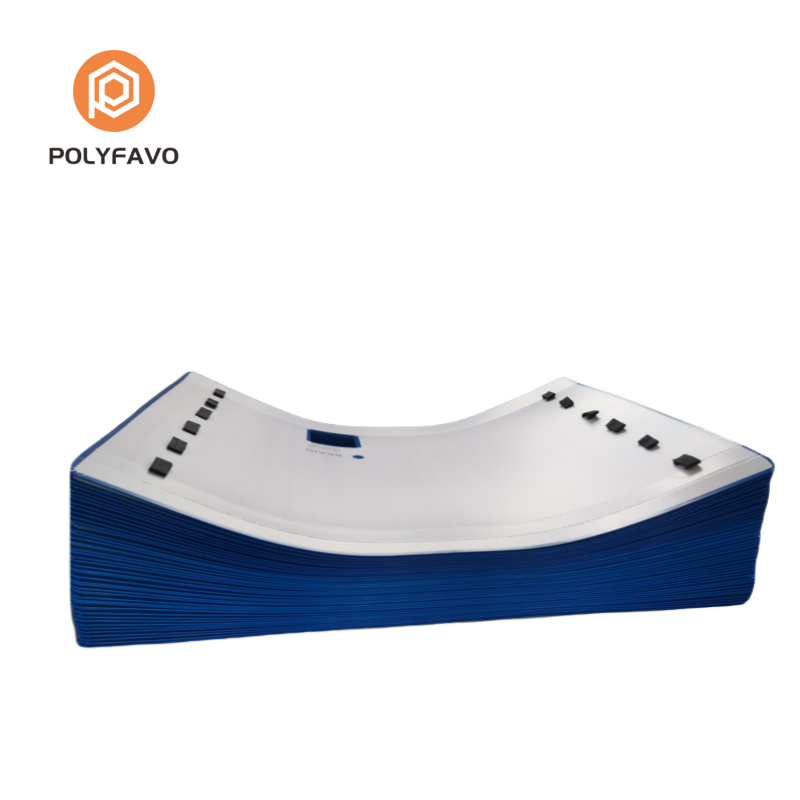
Modern supply chain management demands efficient storage and transportation solutions that can withstand the rigorous demands of industrial logistics. The pallet box has emerged as a cornerstone technology across numerous industries, providing unparalleled protection, stackability, and cost-effectiveness for bulk material handling. These versatile containers have revolutionized how businesses approach warehousing, shipping, and inventory management by offering a standardized solution that maximizes space utilization while maintaining product integrity.
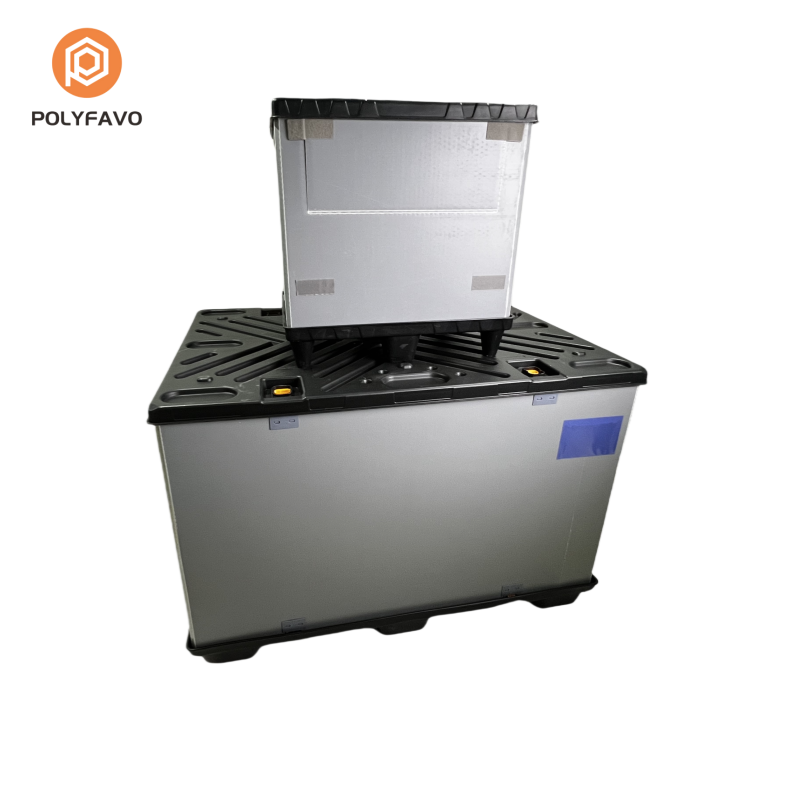
From agricultural processing to pharmaceutical manufacturing, industries worldwide have recognized the transformative impact of implementing comprehensive pallet box systems. The adoption of these solutions has enabled companies to streamline their operations, reduce material waste, and achieve significant cost savings through improved efficiency. Understanding which industries benefit most from these systems provides valuable insights into the versatility and practical applications of modern packaging technology.
Automotive Manufacturing and Parts Distribution
Component Storage and Assembly Line Integration
The automotive industry represents one of the largest consumers of industrial pallet box solutions, utilizing these systems for managing thousands of components throughout the manufacturing process. From small electronic components to large metal parts, automotive manufacturers rely on standardized containers to maintain organized workflows and ensure just-in-time delivery to assembly lines. The durability and stackability of these containers make them ideal for handling heavy automotive parts while maximizing warehouse space efficiency.
Major automotive plants implement sophisticated pallet box systems that integrate seamlessly with automated conveyor systems and robotic handling equipment. These containers are designed to withstand the demanding environment of automotive manufacturing, where components may be exposed to oils, chemicals, and varying temperatures. The standardized dimensions ensure compatibility with existing warehouse infrastructure and transportation equipment, reducing the need for costly modifications to existing facilities.
Spare Parts Logistics and Aftermarket Distribution
Automotive aftermarket distribution centers depend heavily on pallet box systems to manage vast inventories of replacement parts and accessories. The challenge of storing thousands of different SKUs while maintaining accessibility and organization requires sophisticated container solutions that can be easily labeled, tracked, and retrieved. These systems enable distributors to maximize storage density while ensuring quick order fulfillment for repair shops and dealerships worldwide.
The modularity of modern pallet box designs allows aftermarket distributors to create customized storage configurations that accommodate parts of varying sizes and weights. This flexibility is crucial in an industry where inventory includes everything from small clips and fasteners to large body panels and engine components. The ability to collapse or fold these containers when not in use provides additional value by reducing storage space requirements during low-inventory periods.
Food Processing and Agricultural Industries
Harvest Collection and Primary Processing
Agricultural operations have embraced pallet box technology as an essential tool for efficient crop collection and processing. These containers provide the hygiene standards required for food handling while offering the durability needed for outdoor agricultural environments. From orchards to grain facilities, farmers and processors rely on these systems to maintain product quality during the critical transition from field to processing facility.
The food-grade materials used in agricultural pallet box construction ensure compliance with strict food safety regulations while providing resistance to moisture, temperature fluctuations, and chemical cleaning agents. These containers can be easily sanitized between uses, preventing cross-contamination and maintaining the integrity of different crop varieties. The ventilation options available in specialized designs help maintain optimal conditions for fresh produce during storage and transportation.
Cold Chain Management and Distribution
Food distribution companies operating cold chain logistics rely on specialized pallet box solutions designed to maintain temperature consistency while protecting products from contamination. These systems must withstand extreme temperature variations encountered in refrigerated warehouses and transportation vehicles. The insulation properties and structural integrity of advanced container designs help maintain product quality throughout the distribution process.
Modern food distribution centers utilize pallet box systems that integrate with automated storage and retrieval systems, enabling efficient management of temperature-sensitive inventory. The ability to track individual containers through the supply chain provides valuable data for quality control and regulatory compliance. These systems help food distributors minimize waste while ensuring products reach consumers in optimal condition.
Chemical and Pharmaceutical Manufacturing
Hazardous Material Containment
Chemical manufacturing facilities require specialized pallet box solutions that can safely contain hazardous materials while meeting strict regulatory requirements. These containers must be constructed from materials that resist chemical corrosion and provide appropriate containment for potentially dangerous substances. The chemical industry has developed sophisticated container systems that incorporate secondary containment features and specialized labeling for regulatory compliance.
Pharmaceutical manufacturers utilize pallet box systems designed to meet the stringent cleanliness and traceability requirements of drug production. These containers must be manufactured in controlled environments and provide complete documentation of materials and production processes. The ability to validate cleaning procedures and maintain chain of custody documentation is essential for regulatory approval and quality assurance programs.
Raw Material Management and Finished Product Storage
The pharmaceutical industry depends on precise inventory management systems that utilize advanced pallet box technology to track raw materials from receipt through final product shipment. These systems incorporate serialization and tracking capabilities that enable complete traceability throughout the manufacturing process. The containers must maintain product integrity while providing easy access for quality control sampling and inspection procedures.
Chemical processors implement pallet box systems that accommodate the diverse range of materials used in modern chemical production. From powders and granules to liquid concentrates, these containers must provide appropriate protection while enabling efficient handling and processing. The modular design of modern systems allows processors to optimize storage configurations based on specific material requirements and production schedules.
Electronics and Technology Manufacturing
Component Protection and Anti-Static Requirements
Electronics manufacturers require specialized pallet box solutions that provide electrostatic discharge protection for sensitive components. These containers incorporate conductive materials and grounding systems that prevent static electricity buildup during handling and storage. The precision manufacturing environment demands containers that maintain strict cleanliness standards while protecting components from contamination and physical damage.
Technology companies utilize advanced container systems that integrate with automated assembly processes and clean room environments. These pallet box solutions must meet stringent contamination control requirements while providing efficient material flow throughout production facilities. The ability to maintain component orientation and prevent mixing of different part numbers is crucial for maintaining production quality and efficiency.
Finished Product Packaging and Distribution
Electronics distributors depend on pallet box systems that protect finished products during storage and shipment while maintaining optimal packaging density. These containers must provide adequate cushioning and protection for delicate electronic devices while allowing for efficient palletization and transportation. The standardized dimensions ensure compatibility with global shipping standards and warehouse automation systems.
The technology industry requires container solutions that can accommodate rapid product lifecycle changes and varying package configurations. Modern pallet box designs provide the flexibility needed to handle different product sizes and quantities while maintaining cost-effectiveness. The ability to reconfigure storage layouts quickly enables technology companies to adapt to changing market demands and production schedules.
Retail and E-commerce Operations
Distribution Center Efficiency
Major retail chains have revolutionized their distribution operations through the implementation of sophisticated pallet box systems that enable high-density storage and rapid order fulfillment. These containers provide the standardization needed for automated sorting and picking systems while maintaining product protection throughout the distribution process. The ability to stack containers efficiently maximizes warehouse space utilization and reduces operating costs.
E-commerce fulfillment centers rely on pallet box technology to manage the complex logistics of processing thousands of individual orders daily. These systems must accommodate products of varying sizes and weights while enabling efficient batch picking and sorting operations. The modularity of modern container designs allows fulfillment centers to optimize workflows based on seasonal demand patterns and product mix changes.
Return Processing and Reverse Logistics
Retail operations utilize specialized pallet box systems for processing returned merchandise and managing reverse logistics operations. These containers must provide appropriate segregation for different return categories while enabling efficient inspection and refurbishment processes. The ability to track return reasons and processing status through container identification systems provides valuable data for inventory management and quality improvement initiatives.
The growth of online retail has created new challenges for return processing that require innovative container solutions. Modern pallet box designs incorporate features that facilitate the sorting and processing of mixed return shipments while maintaining product integrity. These systems help retailers minimize the cost of return processing while maximizing the recovery value of returned merchandise.
Construction and Building Materials
Heavy Duty Applications and Material Handling
Construction industry suppliers utilize robust pallet box systems designed to handle heavy building materials such as fasteners, hardware, and small components. These containers must provide exceptional durability while enabling efficient material distribution to job sites. The standardized sizing ensures compatibility with construction equipment and enables efficient loading and unloading operations at project locations.
Building material distributors implement pallet box solutions that can withstand the harsh conditions encountered in construction environments while protecting products from moisture and contamination. These systems must provide easy access to materials while maintaining inventory organization and preventing loss or damage. The ability to transport containers directly to work areas reduces handling time and improves job site efficiency.
Tool and Equipment Organization
Construction companies rely on specialized pallet box systems for organizing and transporting tools and equipment to project sites. These containers provide security features that help prevent theft while enabling efficient tool distribution and collection. The modular design allows construction managers to create customized tool kits that match specific project requirements and trade specializations.
The rental industry utilizes advanced container systems that incorporate tracking technology and maintenance scheduling capabilities. These pallet box solutions enable rental companies to monitor tool utilization and condition while ensuring equipment availability for customer projects. The standardized container dimensions facilitate efficient transportation and storage at rental facilities and customer locations.
Textile and Apparel Manufacturing
Fabric Storage and Production Management
Textile manufacturers implement pallet box systems that protect fabrics and raw materials from contamination while enabling efficient production workflows. These containers must provide appropriate ventilation and protection from moisture while maintaining fabric quality throughout the production process. The ability to identify and track different fabric lots ensures consistency in finished products and enables efficient inventory rotation.
Apparel manufacturers utilize container systems that accommodate the diverse range of components used in garment production, from buttons and zippers to finished fabric pieces. These pallet box solutions must provide organization and accessibility while preventing damage to delicate materials. The modular design enables manufacturers to create efficient material flow patterns that reduce production time and minimize waste.
Distribution and Retail Fulfillment
Fashion retailers depend on pallet box systems that can accommodate the seasonal nature of apparel inventory while providing efficient storage and distribution capabilities. These containers must protect garments from damage while enabling rapid order fulfillment and inventory turnover. The ability to reconfigure storage layouts based on seasonal demand patterns helps retailers optimize warehouse space utilization.
The fast fashion industry requires container solutions that enable rapid inventory turnover and efficient distribution to retail locations worldwide. Modern pallet box designs provide the flexibility needed to handle varying package sizes and quantities while maintaining cost-effectiveness. These systems help fashion retailers respond quickly to trend changes and consumer demand fluctuations.
Pharmaceutical and Healthcare Logistics
Temperature-Controlled Storage Solutions
Healthcare distributors utilize specialized pallet box systems that maintain strict temperature control requirements for pharmaceutical and medical device storage. These containers incorporate insulation and monitoring systems that ensure product integrity throughout the distribution process. The ability to validate temperature exposure and provide complete documentation is essential for regulatory compliance and patient safety.
Medical device manufacturers implement container systems that provide the cleanliness and traceability required for sterile product handling. These pallet box solutions must meet stringent validation requirements while enabling efficient production and distribution operations. The ability to maintain sterile barriers and provide complete chain of custody documentation is crucial for regulatory approval and quality assurance.
Emergency Response and Disaster Relief
Healthcare organizations rely on rapid deployment container systems for emergency response and disaster relief operations. These pallet box solutions must be quickly deployable while providing appropriate protection for medical supplies and equipment. The standardized dimensions enable efficient loading and transportation using standard emergency response vehicles and aircraft.
Emergency medical services utilize portable container systems that provide organized storage and rapid access to medical supplies during critical situations. These solutions must be lightweight yet durable while providing clear visibility and access to essential supplies. The modular design enables customization based on specific emergency response protocols and equipment requirements.
Aerospace and Defense Industries
Precision Component Management
Aerospace manufacturers require ultra-precise pallet box systems that provide complete traceability and protection for high-value components. These containers must meet stringent quality standards while enabling efficient material flow throughout complex manufacturing processes. The ability to maintain component integrity and prevent contamination is crucial for maintaining safety standards and regulatory compliance.
Defense contractors implement specialized container systems that provide security features and controlled access for sensitive components and materials. These pallet box solutions must meet government security requirements while enabling efficient production and logistics operations. The ability to track components through secure supply chains is essential for maintaining program security and compliance.
Maintenance and Repair Operations
Aviation maintenance facilities utilize container systems that provide organized storage and easy access to the thousands of parts required for aircraft maintenance operations. These pallet box solutions must accommodate parts of varying sizes and values while providing secure storage and accurate inventory tracking. The ability to quickly locate and retrieve specific parts reduces maintenance time and improves aircraft availability.
Military logistics operations depend on rugged container systems that can withstand harsh environmental conditions while protecting critical supplies and equipment. These solutions must provide durability and reliability in challenging operational environments while enabling efficient material distribution to forward operating locations. The standardized design ensures compatibility with military transportation and handling equipment.
FAQ
What makes pallet box systems essential for industrial storage applications
Pallet box systems provide essential benefits for industrial storage through their standardized dimensions, stackability, and durability features that maximize warehouse space utilization. These containers offer consistent sizing that integrates seamlessly with automated handling equipment, conveyor systems, and standard pallet configurations. The robust construction materials resist impact damage, chemical exposure, and temperature variations commonly encountered in industrial environments. Additionally, the modular design enables customization for specific application requirements while maintaining compatibility with existing infrastructure and transportation systems.
How do different industries customize pallet box solutions for their specific needs
Industries customize pallet box solutions through material selection, specialized features, and configuration options that address their unique operational requirements. Food processing companies utilize food-grade materials with smooth surfaces for easy cleaning and sanitization. Electronics manufacturers incorporate anti-static properties and clean room compatibility. Chemical industries require corrosion-resistant materials and secondary containment features. Pharmaceutical companies need validated cleaning procedures and complete traceability documentation. These customizations ensure compliance with industry regulations while optimizing operational efficiency and product protection.
What factors should companies consider when selecting pallet box systems
Companies should evaluate multiple factors when selecting pallet box systems, including load capacity requirements, environmental conditions, regulatory compliance needs, and integration with existing equipment. The material compatibility with stored products, cleaning and maintenance requirements, and total cost of ownership are crucial considerations. Additionally, companies must assess the container dimensions relative to warehouse space, transportation limitations, and handling equipment capabilities. Future scalability requirements and the availability of replacement parts or accessories should also influence the selection decision to ensure long-term operational success.
How do pallet box systems contribute to supply chain sustainability and cost reduction
Pallet box systems contribute significantly to supply chain sustainability through their reusable design that eliminates single-use packaging waste and reduces material consumption over time. The durable construction enables multiple use cycles, reducing the frequency of container replacement and associated disposal costs. Space optimization features maximize transportation efficiency, reducing fuel consumption and carbon emissions per unit transported. The standardized dimensions enable efficient packaging density and reduce the need for void fill materials. Long-term cost benefits include reduced labor costs through improved handling efficiency, decreased product damage rates, and optimized warehouse space utilization that defers facility expansion requirements.
Table of Contents
- Automotive Manufacturing and Parts Distribution
- Food Processing and Agricultural Industries
- Chemical and Pharmaceutical Manufacturing
- Electronics and Technology Manufacturing
- Retail and E-commerce Operations
- Construction and Building Materials
- Textile and Apparel Manufacturing
- Pharmaceutical and Healthcare Logistics
- Aerospace and Defense Industries
-
FAQ
- What makes pallet box systems essential for industrial storage applications
- How do different industries customize pallet box solutions for their specific needs
- What factors should companies consider when selecting pallet box systems
- How do pallet box systems contribute to supply chain sustainability and cost reduction