EN
EN

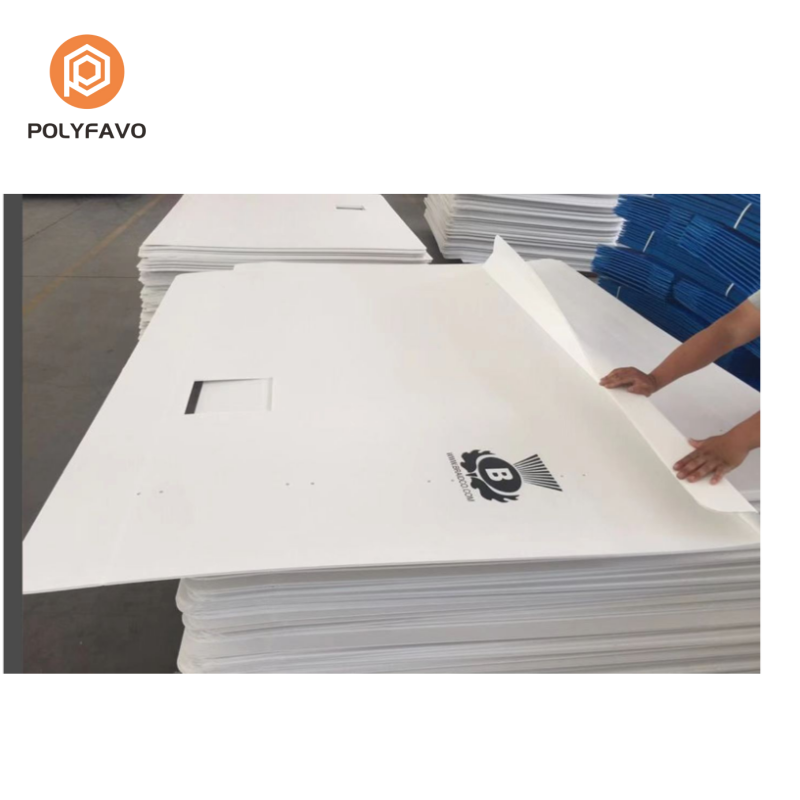
Modern supply chain logistics depend heavily on efficient bulk packaging solutions that can handle large volumes while maintaining product integrity during transportation. The plastic gaylord shipping box has emerged as a cornerstone solution for industries requiring durable, reusable, and cost-effective bulk containers. These heavy-duty containers offer superior protection against moisture, contamination, and physical damage while streamlining warehouse operations across diverse industrial sectors.
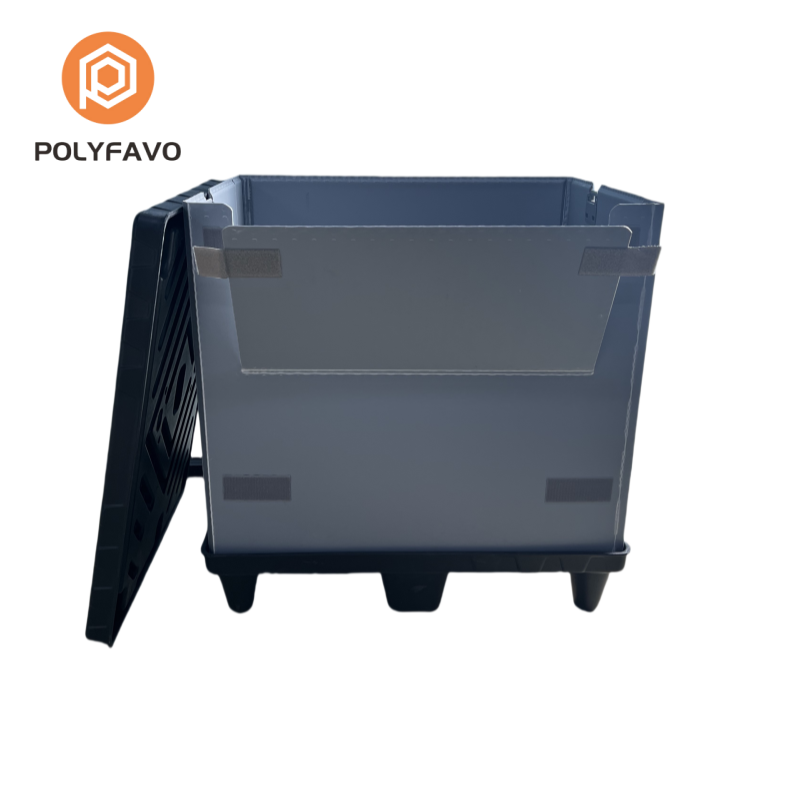
Industries worldwide have recognized the transformative impact of implementing standardized bulk packaging systems. From automotive manufacturing to pharmaceutical distribution, companies are increasingly adopting plastic bulk containers to optimize their material handling processes. The versatility and durability of these containers make them indispensable for businesses seeking to reduce packaging costs while improving operational efficiency.
Automotive Manufacturing and Parts Distribution
Component Storage and Transportation
The automotive industry relies extensively on plastic bulk containers for managing thousands of components throughout the manufacturing process. Assembly plants utilize these containers to transport parts between different production stages, ensuring components remain organized and damage-free. The stackable design allows for efficient space utilization in warehouses where inventory turnover is critical for just-in-time manufacturing systems.
Automotive suppliers particularly benefit from the reusable nature of plastic containers, as they can establish closed-loop systems with manufacturing facilities. This approach significantly reduces packaging waste while maintaining consistent quality standards. The chemical resistance of plastic materials ensures that automotive fluids and lubricants stored in these containers do not compromise the integrity of other components during transportation.
Supply Chain Optimization
Major automotive manufacturers have integrated plastic bulk containers into their supplier networks to standardize material handling processes. These containers facilitate seamless transfers between tier-one suppliers and assembly facilities, reducing loading and unloading times. The uniform dimensions allow for optimized truck loading, maximizing payload capacity while minimizing transportation costs.
Quality control procedures in automotive manufacturing benefit significantly from using enclosed plastic containers that protect sensitive electronic components from environmental contaminants. The ability to seal containers during transport ensures that precision parts maintain their specifications throughout the supply chain, reducing quality defects and warranty claims.
Food Processing and Distribution
Ingredient Handling and Storage
Food processing facilities require containers that meet strict hygiene standards while handling bulk ingredients safely and efficiently. Plastic gaylord shipping box solutions provide food-grade materials that resist bacterial growth and can withstand frequent cleaning protocols. These containers are essential for transporting flour, sugar, spices, and other dry ingredients between processing stages without contamination risks.
The smooth interior surfaces of plastic containers facilitate complete emptying and thorough cleaning, which is crucial for maintaining food safety standards. Unlike cardboard alternatives, plastic containers do not absorb moisture or odors, preventing cross-contamination between different product batches. This characteristic is particularly important for facilities processing multiple food categories or allergen-sensitive products.
Cold Chain Management
Refrigerated and frozen food distribution networks utilize plastic bulk containers to maintain temperature consistency during transportation. The insulating properties of plastic materials help stabilize internal temperatures, while the durable construction withstands the thermal stress of repeated temperature changes. Food distributors can stack these containers efficiently in refrigerated trucks, maximizing cargo capacity while ensuring proper air circulation.
Dairy processing facilities have adopted plastic containers for transporting bulk cheese, butter, and other dairy products that require strict temperature control. The ability to seal these containers prevents moisture loss and contamination while allowing for efficient inventory tracking through integrated labeling systems.
Chemical and Pharmaceutical Industries
Raw Material Transportation
Chemical manufacturers require specialized containers capable of handling various raw materials while maintaining safety standards and regulatory compliance. Plastic bulk containers offer excellent chemical resistance against acids, bases, and organic solvents commonly used in industrial processes. The non-reactive nature of high-density polyethylene ensures that container materials do not interfere with chemical formulations or compromise product purity.
Pharmaceutical companies utilize these containers for transporting active pharmaceutical ingredients and excipients between manufacturing facilities. The cleanroom-compatible design allows for use in controlled environments where contamination control is paramount. Serialization and tracking capabilities integrated into plastic containers support regulatory requirements for pharmaceutical supply chain visibility.
Waste Management and Recycling
Chemical processing facilities generate various waste streams that require specialized handling and disposal procedures. Plastic containers provide secure containment for hazardous materials while facilitating safe transportation to approved disposal facilities. The chemical resistance properties ensure that containers maintain structural integrity even when exposed to corrosive substances.
Recycling operations within chemical plants benefit from using standardized plastic containers to collect and sort different material streams. The durability of these containers allows for repeated use in harsh industrial environments where exposure to chemicals and extreme temperatures is common.
Agriculture and Seed Distribution
Bulk Seed Storage and Handling
Agricultural operations require reliable storage solutions that protect seeds and grain from moisture, pests, and contamination during storage and transportation. Plastic bulk containers provide airtight sealing capabilities that maintain optimal moisture levels while preventing insect infiltration. Seed companies utilize these containers to maintain genetic purity by preventing cross-contamination between different varieties.
The weather-resistant properties of plastic materials make these containers ideal for outdoor storage applications where exposure to rain and humidity is unavoidable. Farmers can store harvested grain in plastic containers without concerns about moisture absorption that could lead to spoilage or mold development. The stackable design allows for efficient use of limited storage space in agricultural facilities.
Fertilizer and Chemical Distribution
Agricultural chemical suppliers rely on plastic containers to transport fertilizers, pesticides, and other crop protection products safely to farming operations. The chemical resistance properties prevent container degradation when exposed to corrosive agricultural chemicals. Proper containment reduces the risk of spills during transportation, protecting both the environment and transportation personnel.
Precision agriculture applications benefit from using containers with integrated measuring systems that allow for accurate chemical dispensing. The transparency of certain plastic materials enables visual monitoring of chemical levels, supporting inventory management and preventing shortages during critical application periods.
Electronics and Technology Manufacturing
Component Protection and Handling
Electronics manufacturers require anti-static and contamination-free environments for handling sensitive components throughout the production process. Specialized plastic containers with conductive properties prevent electrostatic discharge that could damage electronic circuits and semiconductors. The sealed design protects components from dust and moisture that could compromise functionality.
Circuit board manufacturing facilities utilize plastic containers to transport populated boards between assembly stations without risking damage from handling or environmental exposure. The cushioned interior designs available in specialized plastic containers provide additional protection for fragile electronic components during transportation between facilities.
Clean Room Applications
Semiconductor manufacturing requires ultra-clean environments where traditional packaging materials cannot meet contamination control standards. Plastic containers designed for clean room applications undergo specialized manufacturing processes to eliminate particle generation and outgassing. These containers support the stringent requirements of semiconductor fabrication facilities where even minimal contamination can result in significant yield losses.
The ability to sterilize plastic containers using various methods, including gamma irradiation and chemical treatments, makes them suitable for medical device manufacturing where sterility requirements are critical. Integration with automated handling systems allows for minimal human contact, further reducing contamination risks in sensitive manufacturing environments.
Textile and Apparel Manufacturing
Fiber and Fabric Transportation
Textile manufacturers utilize plastic bulk containers to transport raw fibers, yarns, and finished fabrics between processing stages while protecting materials from contamination and moisture damage. The smooth interior surfaces prevent snagging and damage to delicate fibers during handling and transportation. Cotton processing facilities benefit from containers that maintain fiber quality by preventing contamination from external sources.
Synthetic fiber production requires containers that can withstand exposure to various chemical treatments and dyes used in processing. The chemical resistance of plastic materials ensures container integrity throughout repeated exposure cycles, reducing replacement costs and maintaining operational efficiency.
Apparel Distribution Networks
Garment manufacturers and distributors use plastic containers to transport finished clothing products while maintaining protection from wrinkles, moisture, and soil contamination. The ability to customize container interiors with hanging systems or folding platforms supports different garment types and packaging requirements. Retail distribution centers benefit from standardized container sizes that optimize warehouse storage and transportation efficiency.
Seasonal clothing storage applications require containers that provide long-term protection against moths, moisture, and temperature fluctuations. Plastic containers with proper sealing mechanisms ensure that stored garments maintain their quality during extended storage periods, reducing losses from environmental damage.
Construction and Building Materials
Hardware and Fastener Distribution
Construction supply companies rely on durable containers to transport and store various hardware items, including screws, bolts, nails, and brackets. Plastic bulk containers provide organization and protection for small components that could easily become mixed or lost during transportation. The transparent or translucent properties of certain plastic materials allow for easy identification of contents without opening containers.
Building material suppliers utilize plastic containers to protect sensitive items like electrical components and plumbing fittings from moisture and corrosion during storage and transportation. The stackable design maximizes warehouse efficiency while providing easy access to inventory for order fulfillment operations.
Bulk Material Handling
Concrete additives, sealants, and other chemical building materials require specialized containment systems that prevent contamination and maintain product performance characteristics. Plastic containers offer chemical resistance against various construction chemicals while providing secure sealing to prevent moisture infiltration. Construction sites benefit from portable container systems that allow for organized material storage in temporary locations.
Insulation materials and other bulk construction products utilize plastic containers to maintain cleanliness and prevent damage during transportation to job sites. The durability of plastic materials ensures containers can withstand the harsh conditions common on construction sites while protecting valuable materials from weather exposure.
Recycling and Waste Management
Material Collection and Sorting
Recycling facilities depend on robust container systems to collect, sort, and transport various recyclable materials efficiently. Plastic bulk containers provide the durability necessary for handling heavy loads of metal, plastic, and paper materials while withstanding the abrasive conditions common in recycling operations. The chemical resistance properties ensure containers maintain integrity when exposed to residual chemicals on recycled materials.
Municipal waste management programs utilize plastic containers for collecting specific waste streams, including electronic waste and hazardous materials that require specialized handling procedures. The ability to customize containers with specific labeling and color-coding systems supports proper waste segregation and compliance with environmental regulations.
Industrial Waste Processing
Manufacturing facilities generate various waste streams that require proper containment and transportation to approved processing facilities. Plastic containers provide secure containment for industrial waste while facilitating efficient loading and unloading operations. The reusable nature of plastic containers supports sustainable waste management practices by reducing the need for single-use packaging materials.
Hazardous waste transportation requires containers that meet strict regulatory requirements for chemical compatibility and structural integrity. Specialized plastic containers designed for hazardous material transport provide the necessary safety features while supporting efficient waste management operations in industrial facilities.
Logistics and Distribution Centers
Cross-Docking Operations
Modern distribution centers utilize plastic bulk containers to facilitate rapid transfer of goods between incoming and outgoing shipments without intermediate storage. The standardized dimensions and handling characteristics of plastic containers enable automated sorting and conveying systems that maximize throughput while minimizing labor requirements. Cross-docking operations benefit from containers that can withstand repeated handling cycles without degradation.
E-commerce fulfillment centers rely on plastic containers to organize and transport various product categories efficiently throughout the picking and packing process. The ability to integrate RFID tags and barcode labels into plastic containers supports advanced inventory tracking systems that improve order accuracy and fulfillment speed.
Multi-Modal Transportation
Global supply chains require containers that can seamlessly transition between trucks, trains, and ships without compromising cargo integrity. Plastic bulk containers provide the structural strength necessary for intermodal transportation while maintaining protection against environmental conditions encountered during long-distance shipping. The lightweight properties of plastic materials help optimize payload capacity across different transportation modes.
International shipping applications benefit from plastic containers that resist corrosion from salt water exposure and provide reliable protection against humidity variations encountered during ocean transport. The ability to nest or fold empty containers reduces return shipping costs and improves overall transportation efficiency.
FAQ
What industries benefit most from using plastic gaylord shipping boxes?
The automotive, food processing, chemical, pharmaceutical, agriculture, electronics, textile, construction, recycling, and logistics industries derive the greatest benefits from plastic bulk containers due to their specific requirements for durability, chemical resistance, and contamination control. These industries handle materials that require protection from environmental factors while maintaining efficient handling and transportation processes.
How do plastic gaylord containers compare to cardboard alternatives in terms of cost-effectiveness?
While plastic containers have higher initial costs, they provide superior long-term value through reusability, durability, and reduced replacement frequency. The ability to use plastic containers for hundreds of cycles versus single-use cardboard boxes results in significantly lower per-use costs. Additionally, plastic containers eliminate disposal costs and support sustainability initiatives by reducing packaging waste.
What safety considerations are important when using plastic bulk containers in industrial applications?
Industrial applications require containers that meet specific safety standards for chemical compatibility, structural integrity, and fire resistance. Proper handling procedures, regular inspection protocols, and compliance with relevant safety regulations ensure safe operation. Specialized containers with anti-static properties or hazardous material certifications may be required for specific applications involving sensitive or dangerous materials.
How do plastic gaylord shipping boxes support sustainability goals in modern supply chains?
Plastic containers contribute to sustainability through their reusable design, which eliminates the continuous consumption of single-use packaging materials. The recyclability of plastic materials at the end of their service life supports circular economy principles. Additionally, the durability and efficiency of plastic containers reduce transportation requirements and energy consumption throughout the supply chain, supporting overall environmental goals.
Table of Contents
- Automotive Manufacturing and Parts Distribution
- Food Processing and Distribution
- Chemical and Pharmaceutical Industries
- Agriculture and Seed Distribution
- Electronics and Technology Manufacturing
- Textile and Apparel Manufacturing
- Construction and Building Materials
- Recycling and Waste Management
- Logistics and Distribution Centers
-
FAQ
- What industries benefit most from using plastic gaylord shipping boxes?
- How do plastic gaylord containers compare to cardboard alternatives in terms of cost-effectiveness?
- What safety considerations are important when using plastic bulk containers in industrial applications?
- How do plastic gaylord shipping boxes support sustainability goals in modern supply chains?