EN
EN

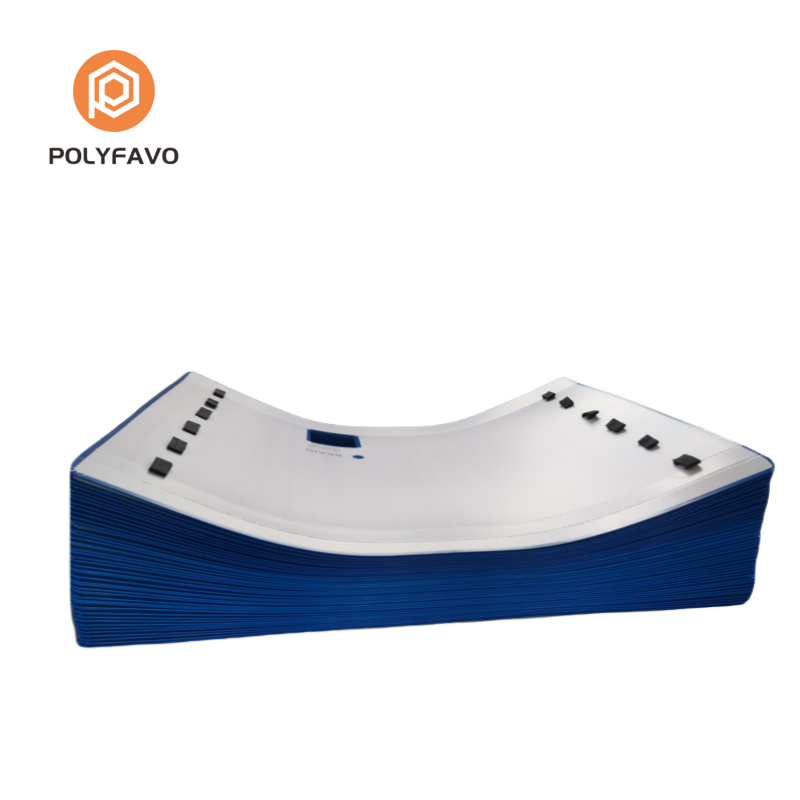
The packaging industry continues to evolve with innovative materials that offer superior protection while maintaining cost-effectiveness and environmental responsibility. Among these advanced materials, honeycomb board has emerged as a revolutionary solution that addresses the diverse needs of modern packaging applications. This lightweight yet robust material combines exceptional structural integrity with versatile functionality, making it an ideal choice for businesses seeking reliable packaging solutions across multiple industries.
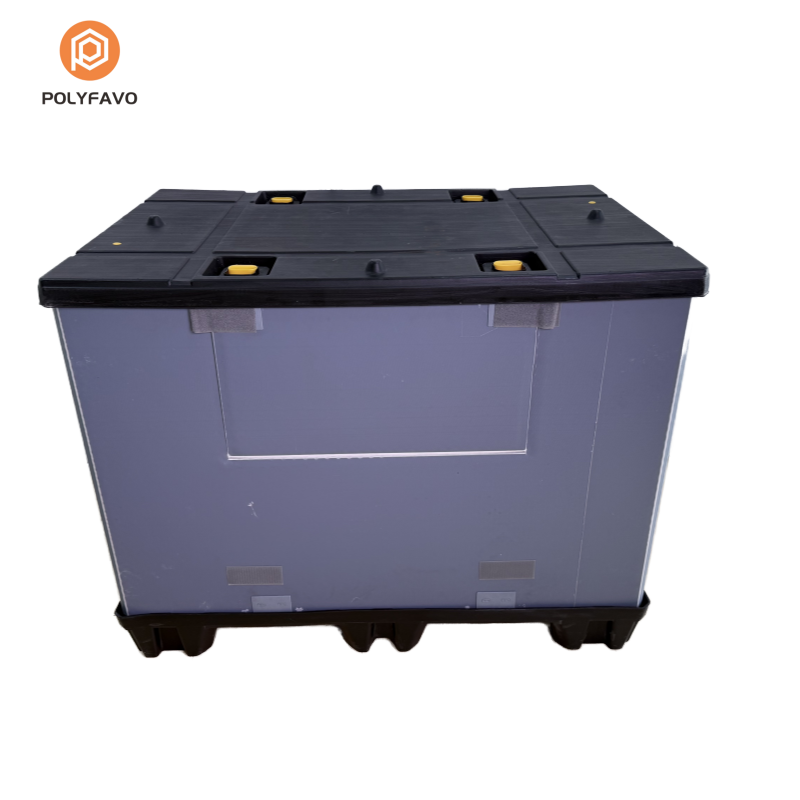
Manufacturing companies, logistics providers, and retailers worldwide have discovered the remarkable advantages that honeycomb board delivers in protecting products during transportation and storage. The unique cellular structure of this material provides outstanding cushioning properties while maintaining dimensional stability under various environmental conditions. Understanding these benefits enables businesses to make informed decisions about their packaging strategies and optimize their supply chain operations.
Superior Structural Integrity and Durability
Enhanced Load-Bearing Capacity
The cellular architecture of honeycomb board creates exceptional strength-to-weight ratios that surpass traditional packaging materials. This innovative structure distributes loads evenly across the surface, preventing localized stress concentrations that could lead to material failure. Manufacturing facilities utilize this characteristic to create robust packaging solutions that withstand the rigors of automated handling systems and multi-level stacking operations.
Industrial applications benefit significantly from the enhanced load-bearing capacity of honeycomb board, particularly in heavy-duty packaging scenarios. The material maintains structural integrity even under extreme compression forces, ensuring that packaged products remain secure throughout extended transportation cycles. This reliability translates into reduced product damage rates and lower replacement costs for businesses across various sectors.
Resistance to Environmental Factors
Environmental durability represents another crucial advantage of honeycomb board in demanding packaging applications. The material demonstrates exceptional resistance to moisture, temperature fluctuations, and chemical exposure, maintaining its protective properties across diverse storage and transportation conditions. This resilience makes it particularly valuable for international shipping where packages encounter varying climatic conditions.
Long-term storage applications benefit from the stability that honeycomb board provides, as the material does not degrade or lose structural integrity over extended periods. Warehouse operators appreciate this consistency, knowing that their packaging materials will perform reliably regardless of storage duration or environmental variations within their facilities.
Lightweight Design for Cost-Effective Shipping
Reduced Transportation Costs
The lightweight nature of honeycomb board significantly impacts shipping economics by reducing overall package weight without compromising protection levels. Logistics companies report substantial savings in fuel costs and shipping fees when transitioning to this advanced packaging material. The cellular structure eliminates unnecessary material mass while preserving the protective characteristics essential for safe product delivery.
International shipping operations particularly benefit from weight reduction, as air freight costs directly correlate with package weight. Companies utilizing honeycomb board packaging solutions often achieve significant cost reductions in their global distribution networks while maintaining product safety standards required for international commerce.
Improved Handling Efficiency
Warehouse operations experience enhanced efficiency when handling packages constructed with honeycomb board due to the material's reduced weight characteristics. Workers can process more packages per hour, reducing labor costs and improving overall productivity in distribution centers. The ergonomic benefits also contribute to reduced workplace injuries associated with heavy lifting operations.
Automated sorting systems operate more efficiently with lightweight honeycomb board packages, as reduced weight stress on mechanical components extends equipment lifespan and reduces maintenance requirements. This operational advantage translates into improved system reliability and reduced downtime for high-volume distribution facilities.
Exceptional Cushioning and Protection Properties
Impact Absorption Capabilities
The cellular structure of honeycomb board provides superior shock absorption properties that protect fragile items during transportation and handling. This cushioning effect results from the material's ability to compress and rebound without permanent deformation, dissipating impact energy effectively. Electronic component manufacturers rely on this characteristic to ensure sensitive products reach customers without damage from shipping vibrations or sudden impacts.
Comparative testing demonstrates that honeycomb board outperforms traditional cushioning materials in protecting products from multi-directional impacts. The uniform cell structure distributes forces evenly, preventing concentrated stress points that could damage packaged items. This protection capability makes it an excellent choice for high-value products requiring maximum security during transit.
Vibration Dampening Features
Transportation vibrations pose significant risks to sensitive products, but honeycomb board effectively dampens these oscillations through its cellular design. The material's structure absorbs and dissipates vibrational energy, creating a stable environment for delicate items throughout their journey. Precision instrument manufacturers particularly value this vibration control capability for shipping calibrated equipment.
Long-distance transportation benefits from the vibration dampening properties of honeycomb board, as extended exposure to road vibrations can cause cumulative damage to products. The material maintains consistent dampening performance throughout extended shipping periods, ensuring product integrity regardless of transportation duration or route complexity.
Versatile Applications Across Industries
Automotive Industry Applications
Automotive manufacturers extensively utilize honeycomb board for packaging spare parts, components, and finished products due to its excellent protection characteristics and cost-effectiveness. The material's resistance to automotive fluids and oils makes it particularly suitable for packaging engine components, brake parts, and other mechanical assemblies. Its dimensional stability ensures consistent fit within automated packaging systems used in automotive production facilities.
Original equipment manufacturers appreciate the customization possibilities that honeycomb board offers for specific automotive components. The material can be precisely cut, shaped, and formed to create custom packaging solutions that provide optimal protection for uniquely shaped automotive parts while maximizing packaging efficiency and minimizing waste.
Electronics and Technology Sectors
Electronics manufacturers rely on honeycomb board for packaging sensitive components that require protection from static electricity, moisture, and physical damage. The material can be enhanced with anti-static properties and moisture barriers to create comprehensive protection systems for sophisticated electronic devices. This versatility makes it invaluable for packaging everything from consumer electronics to industrial control systems.
Technology companies benefit from the clean manufacturing processes associated with honeycomb board production, as the material generates minimal contamination during handling and processing. This cleanliness factor proves crucial for packaging high-precision electronic components that must remain free from particulate contamination throughout the supply chain.
Environmental Sustainability and Recyclability
Eco-Friendly Material Composition
Honeycomb board demonstrates exceptional environmental responsibility through its recyclable composition and sustainable manufacturing processes. The material consists primarily of recyclable polypropylene, which can be processed multiple times without significant degradation of material properties. This recyclability aligns with corporate sustainability initiatives and helps companies achieve environmental compliance goals.
Manufacturing processes for honeycomb board generate minimal waste compared to traditional packaging materials, contributing to overall environmental impact reduction. The efficiency of production methods ensures optimal material utilization while maintaining consistent quality standards. Companies implementing honeycomb board packaging solutions often report significant improvements in their environmental footprint assessments.
Circular Economy Integration
The circular economy benefits significantly from honeycomb board adoption, as used packaging materials can be collected, processed, and reformed into new packaging products. This closed-loop system reduces demand for virgin materials while maintaining packaging performance standards. Forward-thinking companies integrate honeycomb board into their circular economy strategies to achieve sustainability objectives.
End-of-life processing for honeycomb board involves straightforward recycling procedures that do not require specialized equipment or complex separation processes. This simplicity encourages widespread recycling participation and supports the development of regional recycling networks that benefit local communities and environmental protection efforts.
Cost-Effectiveness and Economic Benefits
Reduced Material Costs
The economic advantages of honeycomb board extend beyond initial material costs to encompass total cost of ownership benefits throughout the packaging lifecycle. Companies experience reduced material usage due to the efficiency of honeycomb board design, which provides maximum protection with minimal material investment. This efficiency translates into direct cost savings and improved profit margins for packaging-intensive operations.
Bulk purchasing advantages become apparent when companies commit to honeycomb board for their primary packaging needs, as suppliers offer competitive pricing for consistent volume requirements. The standardization of packaging materials also simplifies inventory management and reduces storage complexity for companies maintaining multiple packaging options.
Operational Efficiency Improvements
Operational costs decrease significantly when companies implement honeycomb board packaging systems due to improved handling efficiency and reduced damage rates. The material's consistent performance characteristics enable predictable packaging operations that minimize disruptions and delays. Quality control processes become more streamlined when using standardized honeycomb board solutions.
Return on investment calculations consistently favor honeycomb board implementation when companies analyze total packaging costs including material, labor, shipping, and damage replacement expenses. The comprehensive cost benefits justify the transition from traditional packaging materials and support long-term business sustainability objectives.
Customization and Design Flexibility
Tailored Solutions for Specific Requirements
Honeycomb board offers exceptional customization capabilities that allow manufacturers to create packaging solutions precisely matched to product requirements. The material can be cut, shaped, folded, and formed into complex configurations that provide optimal protection while minimizing packaging volume. This flexibility enables companies to develop unique packaging designs that differentiate their products in competitive markets.
Specialized applications benefit from the ability to integrate additional features into honeycomb board packaging, such as compartmentalization, cushioning inserts, and protective barriers. These customizations enhance functionality while maintaining the core advantages of lightweight construction and superior protection capabilities that make honeycomb board attractive for diverse packaging applications.
Branding and Marketing Integration
Marketing opportunities expand when companies utilize honeycomb board packaging as a branding platform, as the material accepts various printing and labeling techniques effectively. High-quality graphics reproduction enables companies to create visually appealing packaging that enhances brand recognition and customer experience. The professional appearance of honeycomb board packaging contributes to positive brand perception and customer satisfaction.
Custom color options and surface treatments allow companies to align packaging appearance with brand guidelines and marketing strategies. This visual customization capability supports premium product positioning while maintaining the practical benefits of superior protection and cost-effectiveness that honeycomb board provides.
Quality Assurance and Reliability Standards
Consistent Performance Characteristics
Quality control systems for honeycomb board manufacturing ensure consistent performance characteristics across production batches, providing reliable protection standards for critical packaging applications. Rigorous testing protocols verify material properties including compression strength, impact resistance, and environmental durability. This consistency enables companies to rely on predictable packaging performance for their most valuable products.
International quality standards govern honeycomb board production processes, ensuring compatibility with global shipping requirements and regulatory compliance. Companies utilizing this material benefit from standardized performance expectations that facilitate international commerce and reduce regulatory complexity in diverse markets worldwide.
Testing and Certification Procedures
Comprehensive testing procedures validate honeycomb board performance under various stress conditions including temperature extremes, humidity exposure, and mechanical loading scenarios. These evaluations provide detailed performance data that enables engineers to design packaging solutions with confidence in their protective capabilities. Certification processes ensure compliance with industry standards and regulatory requirements.
Third-party validation services confirm honeycomb board performance characteristics through independent testing protocols that verify manufacturer claims and specifications. This independent verification provides additional assurance for companies making significant packaging investments and supports risk management strategies for critical product protection requirements.
FAQ
What makes honeycomb board superior to traditional cardboard packaging?
Honeycomb board offers significantly enhanced structural integrity compared to traditional cardboard due to its cellular construction that provides superior compression strength and impact resistance. The material maintains protective properties under moisture exposure and temperature variations that would compromise standard cardboard performance. Additionally, honeycomb board delivers consistent protection throughout extended shipping periods while remaining lightweight and cost-effective for various packaging applications.
How does honeycomb board contribute to sustainable packaging practices?
The recyclable composition of honeycomb board supports circular economy principles by enabling multiple reprocessing cycles without significant material degradation. Manufacturing processes generate minimal waste compared to traditional packaging materials, and end-of-life recycling requires no specialized separation procedures. Companies implementing honeycomb board packaging solutions typically achieve measurable improvements in their environmental impact assessments while maintaining superior product protection standards.
Can honeycomb board be customized for specific product requirements?
Honeycomb board offers extensive customization possibilities including precise cutting, shaping, and forming capabilities that create tailored packaging solutions for unique product geometries. The material accepts various surface treatments, printing applications, and integrated features such as compartmentalization and cushioning inserts. This flexibility enables companies to develop distinctive packaging designs that provide optimal protection while supporting branding and marketing objectives effectively.
What industries benefit most from honeycomb board packaging solutions?
Automotive manufacturers extensively utilize honeycomb board for component packaging due to its resistance to fluids and dimensional stability in automated systems. Electronics companies benefit from the material's anti-static capabilities and contamination-free handling properties essential for sensitive components. Additionally, logistics providers and retailers across multiple sectors appreciate the cost-effectiveness and reliable protection that honeycomb board delivers for diverse product categories requiring secure transportation and storage solutions.
Table of Contents
- Superior Structural Integrity and Durability
- Lightweight Design for Cost-Effective Shipping
- Exceptional Cushioning and Protection Properties
- Versatile Applications Across Industries
- Environmental Sustainability and Recyclability
- Cost-Effectiveness and Economic Benefits
- Customization and Design Flexibility
- Quality Assurance and Reliability Standards
- FAQ