EN
EN

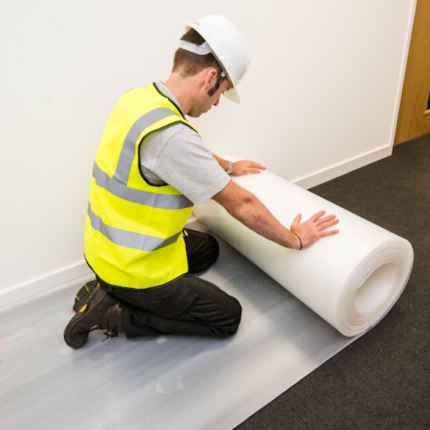
Maintaining pristine hardwood floors during construction, renovation, or high-traffic periods requires more than standard precautions. PP bubble guard floor protection emerges as a specialized solution designed to preserve the natural beauty and structural integrity of hardwood surfaces while withstanding the demanding conditions of active work environments. This advanced protective material combines the durability of polypropylene with innovative bubble technology to create an effective barrier against scratches, dents, moisture, and heavy foot traffic.
The challenge of keeping hardwood floors looking new extends beyond simple cleanliness to encompass protection from physical damage, environmental factors, and the inevitable wear that comes with daily use. PP bubble guard technology addresses these concerns through a multi-layered approach that cushions impact, repels moisture, and provides a stable walking surface that won't compromise the underlying wood finish. Understanding how to properly implement and maintain this floor protection system ensures your hardwood investment retains its value and visual appeal for years to come.
Understanding PP Bubble Guard Technology for Hardwood Preservation
Core Material Composition and Protective Properties
PP bubble guard floor protection utilizes high-density polypropylene as its primary material, creating a robust yet flexible protective layer specifically engineered for hardwood surfaces. The polypropylene construction offers exceptional resistance to punctures, tears, and chemical exposure while maintaining enough flexibility to conform to slight variations in floor levels. This material choice proves particularly effective for hardwood applications because it won't react with wood finishes or leave residual marks upon removal.
The bubble structure within the protective material serves multiple functions that directly benefit hardwood floor preservation. Each bubble acts as a micro-cushion that absorbs impact energy from dropped tools, heavy equipment, or furniture placement, preventing direct contact with the wood surface. This cushioning effect significantly reduces the risk of dents and gouges that commonly occur during construction or renovation activities when floors lack adequate protection.
The air-filled bubble design also creates thermal insulation properties that help stabilize temperature fluctuations around the hardwood surface. This thermal buffering effect minimizes expansion and contraction cycles that can stress wood joints and finish coatings, particularly important during seasonal transitions or in buildings with variable climate control systems.
Moisture Resistance and Vapor Management
Hardwood floors face significant threats from moisture exposure during construction phases, and PP bubble guard floor protection addresses these concerns through advanced moisture management capabilities. The polypropylene surface naturally repels liquid spills, preventing water, adhesives, paints, and other construction fluids from penetrating to the hardwood beneath.
The material's vapor barrier properties help control moisture migration from subfloors or basement areas, maintaining optimal humidity levels around the hardwood surface. This controlled environment prevents warping, cupping, and other moisture-related deformations that can permanently damage hardwood installations. The breathable design allows existing moisture within the wood to gradually equalize without creating condensation trapped beneath the protective layer.
Edge sealing capabilities further enhance moisture protection by preventing liquid intrusion through seams and joints in the protective covering. Proper installation techniques ensure continuous moisture barriers that protect entire room areas rather than leaving vulnerable spots where spills could penetrate and damage localized floor sections.
Installation Strategies for Maximum Hardwood Protection
Surface Preparation and Assessment Requirements
Successful floor protection begins with thorough assessment of the hardwood surface condition and environmental factors that might affect protective material performance. Clean, dry hardwood surfaces provide the ideal foundation for PP bubble guard installation, requiring removal of dust, debris, and any existing finish defects that could create pressure points beneath the protective layer.
Temperature and humidity conditions at installation time significantly influence the effectiveness and longevity of the floor protection system. Optimal installation occurs when ambient conditions match normal occupancy levels, preventing thermal stress on both the protective material and underlying hardwood as conditions stabilize. Documenting baseline floor conditions through photography helps establish clear before-and-after comparisons for quality assurance purposes.
Identifying high-risk areas such as doorways, equipment staging zones, and material storage locations allows for strategic placement of additional protective layers or reinforcement materials. These areas typically experience concentrated traffic and loading that exceeds normal floor protection capabilities, requiring enhanced protection strategies to maintain hardwood integrity throughout the project duration.
Proper Installation Techniques and Securing Methods
PP bubble guard floor protection requires specific installation techniques that maximize protective coverage while minimizing potential damage from the installation process itself. Beginning installation from the farthest corner and working toward exits ensures complete coverage without walking on unprotected areas during the installation process.
Overlapping seams by appropriate margins creates continuous protection barriers that prevent debris infiltration and maintain uniform cushioning across the entire protected area. The overlapping technique also accommodates slight material movement during temperature fluctuations without creating gaps that expose vulnerable hardwood sections to potential damage.
Securing methods must balance holding power with removal ease to prevent adhesive residue or mechanical damage when the protection period ends. Temporary fastening systems designed specifically for hardwood applications provide adequate holding force without penetrating or marking the wood surface, ensuring the floor protection serves its purpose without becoming a source of damage itself.
Maintenance Protocols During Protection Period
Daily Inspection and Damage Prevention
Maintaining floor protection effectiveness requires systematic inspection routines that identify potential problems before they compromise hardwood surfaces. Daily visual inspections focus on detecting tears, punctures, or displacement in the protective material that could expose vulnerable floor areas to damage from ongoing activities.
High-traffic zones and equipment operation areas require particular attention during inspection rounds, as these locations experience accelerated wear that can compromise protective integrity. Immediate repair of minor damage prevents progressive deterioration that could render entire sections of floor protection ineffective, maintaining comprehensive hardwood preservation throughout extended protection periods.
Documentation of inspection findings helps establish patterns of wear and damage that inform future floor protection strategies and material selection decisions. This systematic approach ensures continuous improvement in protective effectiveness while providing accountability for hardwood preservation efforts across multiple projects or phases.
Cleaning and Contamination Management
Regular cleaning of the protective surface prevents accumulation of debris, chemicals, and moisture that could penetrate through damaged areas or create slip hazards for workers and occupants. Appropriate cleaning methods remove contaminants without compromising the protective material integrity or creating conditions that promote hardwood damage.
Spill response procedures ensure rapid cleanup of potentially damaging substances before they can penetrate protective barriers or create long-term contamination issues. Different types of spills require specific cleanup approaches that neutralize chemical threats while preserving the protective material for continued use throughout the project duration.
Contamination prevention strategies address common sources of floor protection compromise, including tracked-in debris, chemical overspray, and moisture accumulation from weather or plumbing issues. Proactive contamination management maintains protective effectiveness while reducing cleanup requirements and potential hardwood damage risks.
Removal Process and Hardwood Restoration
Systematic Removal Techniques
Proper removal of PP bubble guard floor protection requires careful planning and execution to prevent damage during the final stages of hardwood preservation efforts. Systematic removal beginning from exit areas and working toward entry points ensures workers don't walk on newly exposed hardwood surfaces during the removal process, preventing last-minute damage after successful protection periods.
Temperature considerations affect removal ease and hardwood surface condition, with moderate temperatures providing optimal conditions for protective material separation without thermal stress on the underlying wood. Gradual removal techniques prevent sudden adhesive release that could pull finish materials or create surface marks on sensitive hardwood surfaces.
Inspection during removal identifies any areas where protective materials may have bonded more strongly than expected, allowing for specialized removal techniques that prevent hardwood damage while ensuring complete protective material elimination. This careful approach maintains the pristine condition achieved through proper floor protection implementation.
Post-Protection Surface Assessment and Care
Comprehensive surface assessment following protection removal verifies the effectiveness of the floor protection system and identifies any areas requiring remedial attention. Systematic inspection compares post-protection hardwood condition to baseline documentation, providing objective evaluation of protective success and identifying opportunities for improvement in future applications.
Initial cleaning procedures remove any residual protective material traces while preparing hardwood surfaces for final finishing or occupancy preparations. Gentle cleaning methods preserve existing finish integrity while ensuring complete removal of any foreign materials that accumulated during the protection period.
Final hardwood care procedures restore optimal surface condition and prepare floors for long-term use and maintenance. This may include light cleaning, minor finish touch-ups, or application of protective coatings that enhance long-term durability and appearance retention for the preserved hardwood surfaces.
FAQ
How long can PP bubble guard floor protection remain in place without damaging hardwood floors?
PP bubble guard floor protection can typically remain in place for 30 to 90 days without adverse effects on hardwood surfaces, depending on environmental conditions and material quality. Extended installation periods beyond 90 days may require periodic removal and reinstallation to prevent potential adhesive bonding or material degradation that could compromise removal ease. Regular inspection during extended protection periods helps determine optimal removal timing based on actual conditions rather than arbitrary timeframes.
Can PP bubble guard protection be reused on multiple projects or floor areas?
High-quality PP bubble guard materials can often be reused for multiple applications if properly removed, cleaned, and stored between uses. Reusability depends on the extent of wear, contamination, and damage sustained during initial use, with lightly used materials in good condition suitable for additional protection cycles. Inspection for tears, punctures, and adhesive residue determines reuse viability, while proper storage prevents degradation between applications.
What thickness of PP bubble guard provides optimal protection for hardwood floors?
Optimal PP bubble guard thickness for hardwood floor protection typically ranges from 3mm to 6mm, balancing protective capability with practical installation requirements. Thicker materials provide superior impact resistance and cushioning but may create trip hazards or interfere with door operations, while thinner options offer easier installation but reduced protective capacity. The specific thickness selection should consider expected traffic levels, equipment loads, and duration of protection needed for the particular application.
Does PP bubble guard floor protection affect indoor air quality or emit harmful fumes?
Quality PP bubble guard materials are designed to be low-emission and non-toxic, posing minimal indoor air quality concerns when properly manufactured and installed. Polypropylene is inherently stable and doesn't typically release volatile organic compounds under normal temperature conditions, making it suitable for occupied spaces during construction or renovation activities. However, selecting materials with appropriate certifications and avoiding exposure to excessive heat helps ensure optimal air quality maintenance throughout the protection period.
Table of Contents
- Understanding PP Bubble Guard Technology for Hardwood Preservation
- Installation Strategies for Maximum Hardwood Protection
- Maintenance Protocols During Protection Period
- Removal Process and Hardwood Restoration
-
FAQ
- How long can PP bubble guard floor protection remain in place without damaging hardwood floors?
- Can PP bubble guard protection be reused on multiple projects or floor areas?
- What thickness of PP bubble guard provides optimal protection for hardwood floors?
- Does PP bubble guard floor protection affect indoor air quality or emit harmful fumes?