EN
EN

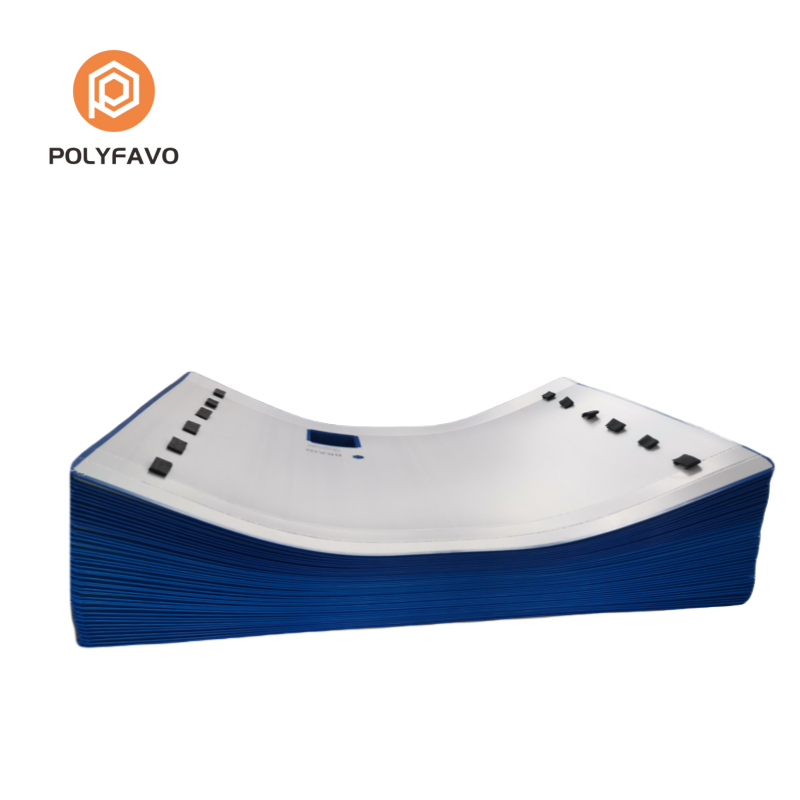
Moving day presents numerous challenges for homeowners and renters, but one of the most overlooked concerns is protecting your floors from damage during the relocation process. Heavy furniture, appliances, and constant foot traffic can cause scratches, dents, scuffs, and permanent damage to hardwood, tile, laminate, and carpeted surfaces. Implementing proper floor protection strategies before your moving team arrives can save you hundreds or even thousands of dollars in repair costs while preserving the value and appearance of your property.
Professional movers understand the importance of floor protection, but not all moving companies provide comprehensive coverage or use high-quality materials. Taking proactive steps to safeguard your floors ensures that your moving day proceeds smoothly without leaving behind costly damage that could affect your security deposit or resale value. The following essential tips will help you create an effective floor protection plan that addresses various surface types, high-traffic areas, and common moving day hazards.
Pre-Moving Floor Assessment and Preparation
Documenting Existing Floor Conditions
Before implementing any floor protection measures, conduct a thorough assessment of your current flooring conditions. Take detailed photographs of each room, focusing on areas that already show wear, scratches, or damage. This documentation serves as crucial evidence for insurance claims and security deposit disputes should additional damage occur during the move. Pay special attention to high-traffic pathways, doorway transitions, and areas near heavy furniture that will require the most robust floor protection coverage.
Create a detailed floor map that identifies different surface types throughout your home, noting which areas have hardwood, tile, laminate, carpet, or other specialized flooring materials. Each surface type requires specific floor protection approaches, and understanding your home's layout helps you purchase the right materials and allocate protection resources effectively. Mark areas that will experience the heaviest moving activity, such as main hallways, staircases, and rooms containing large appliances or furniture pieces.
Cleaning and Clearing Pathways
Proper floor protection begins with thorough cleaning of all surfaces that will be covered during the move. Remove any loose debris, dust, or sticky residues that could become trapped under protective materials and potentially cause scratching or staining. Vacuum carpeted areas completely and mop hard surfaces with appropriate cleaning solutions to ensure that your floor protection materials adhere properly and don't trap contaminants against the flooring.
Clear all furniture, decorative items, and obstacles from the planned moving pathways to create unobstructed routes for your moving team. This preparation allows for more efficient floor protection installation and reduces the risk of accidental damage caused by navigating around obstacles. Ensure that all electrical cords, area rugs, and loose items are secured or removed from areas where floor protection will be installed.
Material Selection and Installation Strategies
Choosing Appropriate Protection Materials
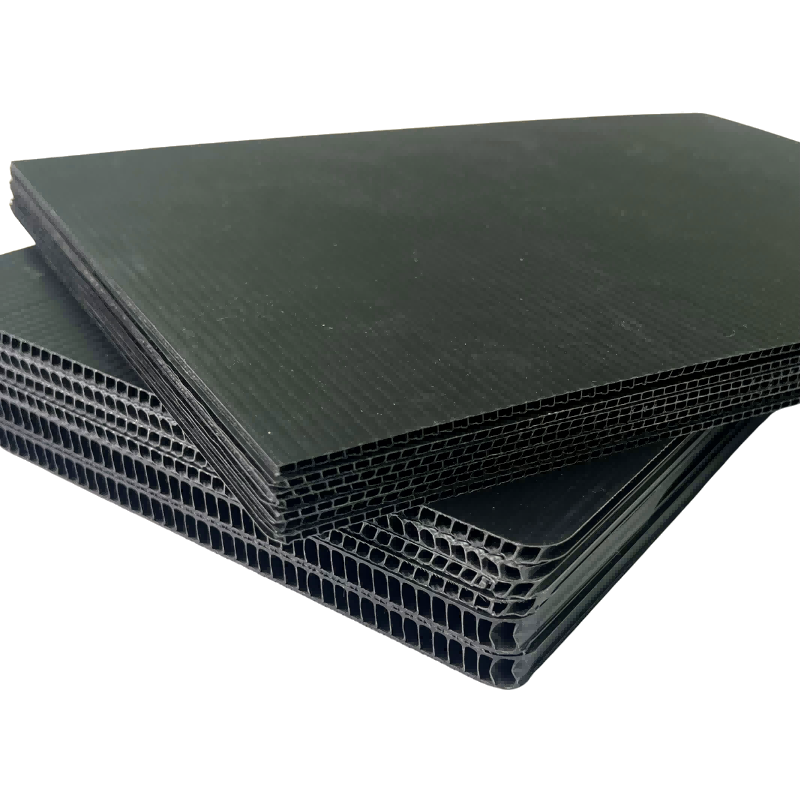
Selecting the right floor protection materials depends on your specific flooring types, expected traffic levels, and budget considerations. Heavy-duty cardboard provides cost-effective protection for light to moderate foot traffic on hard surfaces, while specialized floor protection films offer superior durability and moisture resistance for high-traffic areas. Ram board and similar engineered products provide excellent protection for luxury flooring surfaces that require premium care during moving operations.
Consider the adhesive properties of your chosen floor protection materials carefully, especially on sensitive surfaces like freshly finished hardwood or delicate tile. Low-tack adhesive films protect effectively without leaving residue, while self-adhesive options provide secure attachment that won't shift during heavy use. For carpet protection, plastic sheeting with minimal adhesive prevents staining and matting while allowing for easy removal after the move.
Professional Installation Techniques
Proper installation of floor protection materials requires attention to detail and systematic coverage of all vulnerable areas. Begin installation in the rooms farthest from your home's main entrance and work toward the exit to avoid walking on freshly installed protection materials. Overlap seams between protection sheets by at least two inches to prevent gaps where damage could occur, and secure all edges with appropriate tape or adhesive strips.
Pay special attention to corners, doorway transitions, and areas around fixed obstacles where floor protection materials tend to lift or shift during use. Use additional securing methods such as weighted edges or temporary fasteners in these high-stress areas to maintain consistent coverage throughout the moving process. Ensure that protection materials lay flat without bubbles or wrinkles that could create tripping hazards or allow debris to accumulate underneath.
High-Traffic Area Protection Strategies
Entryway and Hallway Coverage
Main entryways and hallways experience the heaviest foot traffic and equipment movement during moving day, requiring the most robust floor protection systems. Install double-layer protection in these critical areas, using a base layer of heavy-duty material topped with a slip-resistant surface treatment. This approach provides maximum durability while reducing the risk of accidents caused by slippery protection materials under wet or muddy conditions.
Extend floor protection coverage beyond the immediate moving pathway to account for equipment positioning, temporary storage areas, and crew movement patterns. Professional moving teams often need space to maneuver dollies, hand trucks, and lifting equipment, which can extend several feet beyond the direct path between rooms. Adequate coverage in these areas prevents accidental damage from equipment placement and reduces the need for crew members to step off protected surfaces.
Staircase and Multi-Level Considerations
Staircase protection requires specialized approaches that address both tread surfaces and wall contact points where furniture and equipment may brush against surfaces during transport. Install continuous floor protection coverage on all stair treads, ensuring that materials are securely fastened to prevent shifting that could create serious safety hazards. Use non-slip treatments or textured materials on stair protection to maintain safe footing for moving crew members carrying heavy items.
Consider wall protection systems in stairwells where furniture movement is likely to contact vertical surfaces. Combining floor protection with wall padding creates comprehensive coverage that prevents damage from all angles during challenging furniture moves. Ensure that staircase floor protection materials extend onto landing areas and transition smoothly to hallway protection systems for consistent coverage throughout multi-level homes.
Specialized Protection for Different Floor Types
Hardwood and Luxury Surface Protection
Hardwood floors represent significant investments that require premium floor protection strategies during moving operations. Use breathable protection materials that prevent moisture accumulation while providing scratch and dent resistance against heavy furniture and equipment. Avoid plastic sheeting directly on wood surfaces for extended periods, as trapped moisture can cause warping, discoloration, or finish damage that exceeds the cost of proper protection materials.
For engineered hardwood and luxury vinyl surfaces, select floor protection materials with appropriate weight distribution properties that prevent point loading from furniture legs or equipment wheels. These surfaces can be particularly susceptible to indentation damage from concentrated pressure, making proper protection material selection crucial for preventing permanent damage. Consider using furniture pads under protection materials in areas where heavy items will be staged or temporarily stored.
Tile and Stone Surface Considerations
Tile and natural stone floors present unique floor protection challenges due to their hardness and susceptibility to chipping or cracking from impact damage. Heavy-duty protection materials with excellent impact resistance provide the best defense against dropped tools, furniture impacts, or equipment accidents. Pay special attention to grout lines, which can be damaged by concentrated pressure from furniture legs or equipment wheels even when protection materials are in place.
Natural stone surfaces like marble, granite, or travertine require specialized floor protection approaches that account for their susceptibility to etching from acidic substances and staining from spills. Use non-reactive protection materials that won't interact chemically with stone surfaces, and ensure complete coverage to prevent accidental spills from reaching the flooring during the moving process. Consider additional protection around kitchen and bathroom areas where cleaning supplies or other chemicals might be transported.
Equipment and Furniture Movement Best Practices
Proper Lifting and Transport Techniques
Even with comprehensive floor protection in place, proper furniture and equipment handling techniques remain essential for preventing damage during moving operations. Ensure that all furniture legs, appliance corners, and equipment wheels are clean and free of debris before transport across protected surfaces. Small stones, screws, or other sharp objects embedded in equipment can penetrate floor protection materials and cause damage to underlying surfaces.
Coordinate with your moving team to establish clear protocols for equipment use on protected surfaces, including weight limits, approved pathways, and procedures for addressing protection material damage during the move. Professional movers should inspect floor protection integrity regularly throughout the moving process and replace damaged sections immediately to maintain continuous coverage. This collaborative approach ensures that floor protection systems remain effective throughout the entire moving operation.
Strategic Staging and Storage Areas
Designate specific areas for temporary furniture and box storage that receive enhanced floor protection coverage to accommodate concentrated weight loads. These staging areas should feature double-layer protection systems and weight distribution platforms that prevent point loading on flooring surfaces. Mark these areas clearly to ensure that moving crew members understand where heavy items can be safely placed during the packing and loading process.
Consider the logistics of your moving operation when planning staging areas, ensuring that temporary storage locations don't interfere with primary movement pathways or create bottlenecks that could lead to accidents or damage. Effective staging area planning reduces the need to move items multiple times and minimizes the total stress placed on floor protection systems throughout the moving day.
FAQ
How long can floor protection materials safely remain installed before causing damage to underlying surfaces?
Most high-quality floor protection materials can safely remain in place for several days to a week without causing damage, but the specific duration depends on the flooring type and environmental conditions. Hardwood floors should not have non-breathable protection materials installed for more than 48-72 hours to prevent moisture accumulation, while tile and laminate surfaces can typically accommodate longer protection periods. Always remove protection materials as soon as the moving process is complete to minimize any risk of adhesive residue or moisture-related issues.
Can I reuse floor protection materials for future moves or projects?
Many floor protection materials can be reused multiple times if they remain in good condition after removal, making them cost-effective investments for homeowners who move frequently or undertake regular renovation projects. Inspect reused materials carefully for tears, adhesive degradation, or contamination that could compromise their protective effectiveness. Clean reusable materials thoroughly between applications and store them in dry, protected environments to maintain their integrity for future use.
What should I do if floor protection materials shift or become damaged during the moving process?
Address any damage or shifting of floor protection materials immediately to prevent underlying floor damage from occurring. Keep spare materials and repair supplies readily available during moving day to quickly patch tears or replace damaged sections. If shifting occurs frequently, evaluate whether additional securing methods are needed or if heavier-duty materials should be used in high-stress areas. Communication with your moving team about protection material integrity helps ensure prompt attention to any issues that arise.
Are there specific floor protection requirements for different moving company insurance policies?
Moving company insurance policies may have specific requirements regarding floor protection measures that must be in place for coverage to apply in case of damage. Review your moving contract and insurance documentation carefully to understand any floor protection requirements or recommendations that could affect your coverage. Some policies may require professional-grade materials or specific installation methods, while others may offer reduced rates for customers who implement comprehensive protection measures.
Table of Contents
- Pre-Moving Floor Assessment and Preparation
- Material Selection and Installation Strategies
- High-Traffic Area Protection Strategies
- Specialized Protection for Different Floor Types
- Equipment and Furniture Movement Best Practices
-
FAQ
- How long can floor protection materials safely remain installed before causing damage to underlying surfaces?
- Can I reuse floor protection materials for future moves or projects?
- What should I do if floor protection materials shift or become damaged during the moving process?
- Are there specific floor protection requirements for different moving company insurance policies?