EN
EN

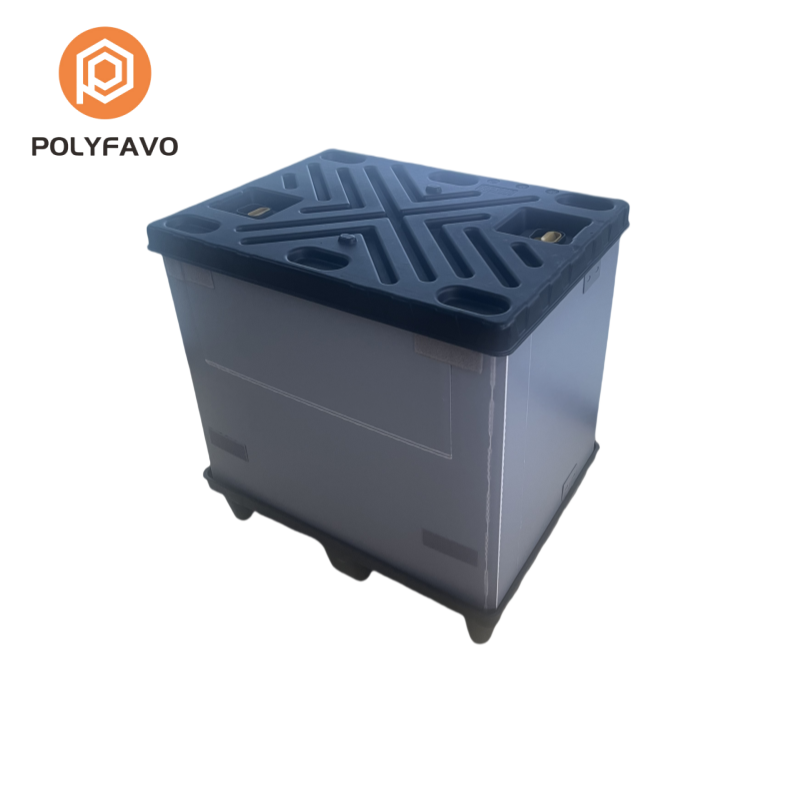
Efficient bulk shipping starts with understanding how to properly load a gaylord box. A gaylord box is a large, pallet-mounted bulk container widely used across manufacturing, distribution, and warehousing operations. When a gaylord box is loaded incorrectly, businesses face product damage, unstable loads, and costly shipping delays. Getting the loading process right is not just a matter of efficiency — it directly affects your bottom line and operational safety.
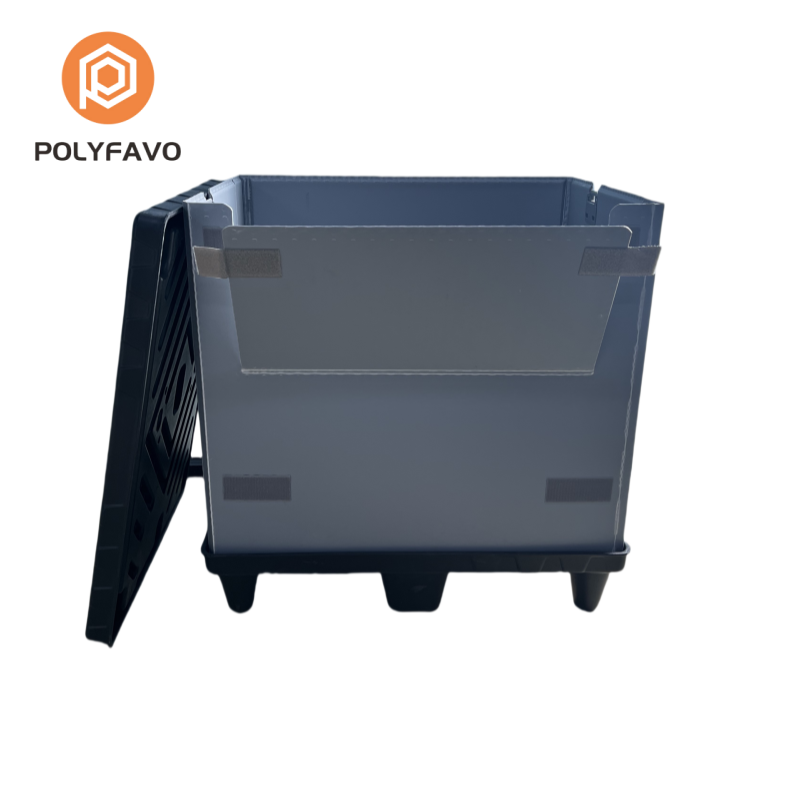
Whether you are loading granular materials, recyclables, automotive components, or industrial parts, the principles of loading a gaylord box correctly remain consistent. This guide walks through the essential steps, structural considerations, and best practices that logistics professionals need to optimize every gaylord box load. By following a systematic approach, you can maximize container capacity, protect your cargo, and streamline your entire shipping workflow around the gaylord box.
Understanding the Gaylord Box Before Loading
Structural Anatomy of a Gaylord Box
Before loading begins, it is essential to understand what a gaylord box is made of and how it functions under load. A standard gaylord box consists of a corrugated or plastic outer shell mounted on a pallet base, with a depth typically ranging from 30 to 48 inches. The gaylord box is engineered to hold hundreds of pounds of material while maintaining structural integrity throughout transit. Knowing the weight rating and stacking limits of your specific gaylord box ensures that your team does not exceed safe thresholds during filling.
The gaylord box may also include inner liners made of polyethylene or similar materials, which are especially important when loading fine powders, liquids, or sensitive components. When a gaylord box features a foldable or collapsible design, operators must verify that all locking mechanisms are fully engaged before filling begins. Skipping this inspection step is one of the most common causes of gaylord box failure during loading operations.
Choosing the Right Gaylord Box for Your Product
Not every gaylord box is suitable for every type of cargo. The material weight, shape, moisture sensitivity, and fragility of your product should guide your selection of a gaylord box. A heavy-duty gaylord box with reinforced walls is appropriate for dense industrial parts, while a standard single-wall gaylord box may suit lighter recyclables or agricultural materials. Matching the gaylord box grade to your product requirements prevents premature container failure and product waste.
Step-by-Step Loading Techniques for a Gaylord Box
Preparing the Gaylord Box and Workspace
Proper loading of a gaylord box begins long before the first item is placed inside. Start by positioning the gaylord box on a level, stable surface with easy forklift or pallet jack access. Inspect the gaylord box for any damage, moisture exposure, or deformation that might compromise its load-bearing capacity. If the gaylord box requires an inner liner, insert and secure the liner completely before adding any product.
Labeling requirements should also be addressed at this stage. Attach all required shipping labels, weight indicators, and handling instructions to the outside of the gaylord box before loading starts. This prevents labels from being obscured by product residue or liner material. A clean, well-prepared gaylord box workspace also reduces the risk of contamination for food-grade or pharmaceutical applications.
Filling the Gaylord Box Evenly and Safely
When filling a gaylord box, even weight distribution is the single most critical factor. Begin loading from the center of the gaylord box and work outward toward the walls to prevent side pressure imbalances. For granular or loose materials, use a bulk hopper or conveyor feed system positioned directly above the gaylord box to minimize segregation and spillage. Avoid dropping heavy items from height into the gaylord box, as impact stress can damage the container base and the product simultaneously.
As the gaylord box fills, periodically check that the walls remain vertical and the base remains flat on the pallet. A gaylord box that begins to bulge at the sides is approaching its structural limit and should not be filled further. For mixed-density loads, place the heaviest items in the bottom of the gaylord box first to maintain a low center of gravity, which significantly improves stability during transport.
Sealing and Securing the Loaded Gaylord Box
Once the gaylord box has been filled to its rated capacity, sealing the load is the next critical step. If the gaylord box uses an inner liner, twist and tie the liner closed before folding the flaps of the gaylord box over the top. Apply stretch wrap or banding around the exterior of the gaylord box to secure the load and maintain structural rigidity during handling. A properly sealed gaylord box prevents product shifting, moisture ingress, and accidental spillage throughout the shipping cycle.
For stacking applications, verify that the top surface of the gaylord box can support the weight of additional containers. Many gaylord box designs include reinforced top edges specifically for this purpose. Always consult the manufacturer specifications before stacking a loaded gaylord box to avoid collapse incidents in warehouse storage.
Optimizing Gaylord Box Loading for Logistics Efficiency
Maximizing Capacity Without Compromising Safety
One of the primary goals in gaylord box logistics is maximizing the usable volume of each gaylord box without overfilling. Overfilling a gaylord box causes wall failure, makes sealing impossible, and creates hazards during forklift handling. Use weight scales and volume gauges to track fill levels in real time, so every gaylord box departs your facility as close to its rated capacity as safely possible. This directly reduces the number of gaylord box units required per shipment, cutting both material costs and freight charges.
Standardizing your gaylord box loading procedures across shifts and facilities eliminates inconsistency and reduces product loss. Creating written gaylord box loading protocols, training checklists, and visual guides ensures that every team member applies the same techniques regardless of shift or location. Consistent loading also makes gaylord box inventory tracking and weight documentation more reliable.
Integrating Foldable Gaylord Box Designs into Your Workflow
Foldable gaylord box models offer a significant logistical advantage because they collapse flat when empty, dramatically reducing return shipping costs and storage footprint. Incorporating a foldable gaylord box into your operation means your team must also follow specific assembly steps before each use. Ensuring that every foldable gaylord box is correctly assembled and locked before filling is a non-negotiable safety requirement. These gaylord box formats are especially well-suited for reverse logistics operations where containers regularly cycle between distribution centers and manufacturers.
FAQ
What is the typical weight capacity of a gaylord box?
A standard gaylord box typically holds between 500 and 2,000 pounds depending on its construction grade and wall thickness. Always check the specific gaylord box rating provided by the manufacturer before loading, as exceeding this limit creates safety hazards and structural failure risks during transport.
Can a gaylord box be reused for multiple shipments?
Yes, a gaylord box can often be reused if it remains structurally sound after each cycle. Before reusing a gaylord box, inspect it for moisture damage, wall deformation, and base integrity. A foldable gaylord box with a rigid plastic shell typically offers a longer reuse life compared to corrugated alternatives.
How do I prevent product shifting inside a gaylord box during transit?
To prevent shifting inside a gaylord box, use inner liners, foam void-fill, or slip sheets between product layers. Sealing the gaylord box with stretch wrap and ensuring the load is filled to near-capacity both help minimize interior movement. Securing the gaylord box to the pallet with banding also reduces motion during forklift handling and truck transport.