EN
EN

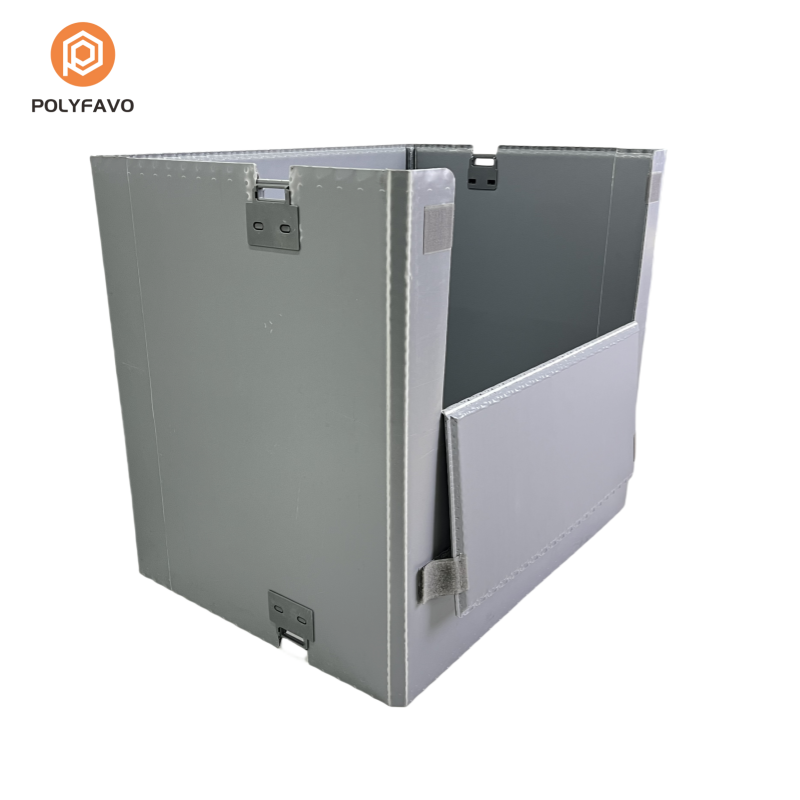
Choosing the right gaylord box for shipping is one of the most practical decisions a warehouse manager or logistics buyer will make in 2026. A gaylord box — also called a bulk bin or pallet box — is a large, heavy-duty corrugated or plastic container designed to hold significant quantities of product on a single pallet. As supply chains grow more demanding and sustainability goals become operational priorities, selecting the right gaylord box matters more than ever before.
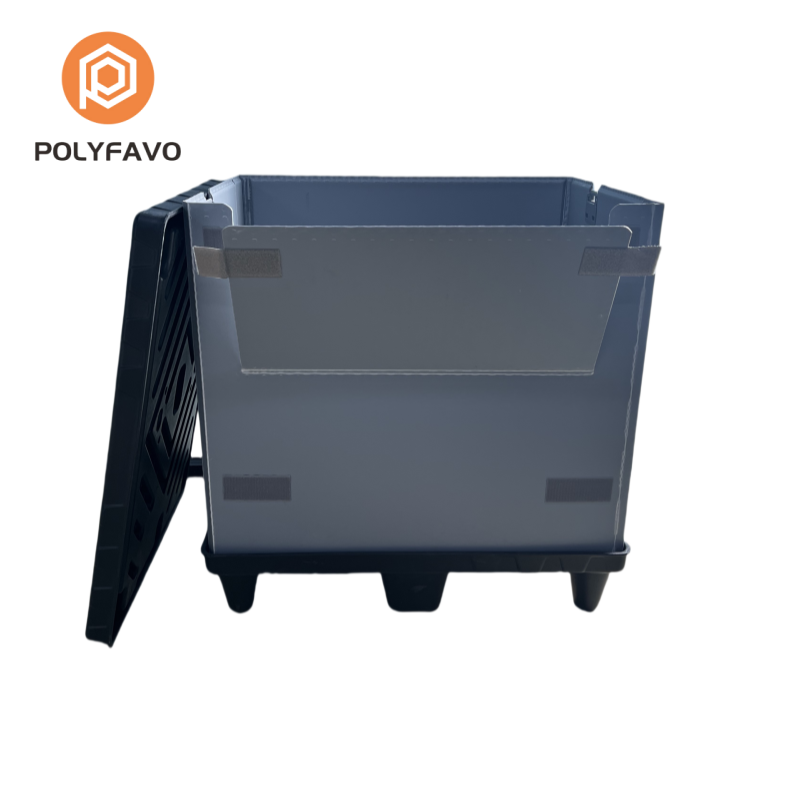
This guide walks through the key factors buyers should consider when sourcing a gaylord box in 2026, from material type and structural design to load capacity and reusability. Whether you are shipping agricultural products, industrial parts, or consumer packaged goods, the right gaylord box directly affects your cost efficiency, product safety, and operational flow. Understanding what differentiates one gaylord box from another helps you make a confident, well-informed procurement decision.
Understanding Gaylord Box Types and Materials
Corrugated vs. Plastic Gaylord Box Options
The most fundamental choice when selecting a gaylord box is the material. Corrugated cardboard gaylord box options are the traditional choice for single-use or limited-use applications. They are lightweight, cost-effective, and widely recyclable, making them ideal for businesses that prioritize disposability or ship items that do not require reuse cycles. A corrugated gaylord box typically handles loads ranging from 500 to 2,000 pounds depending on the flute grade and wall construction.
A plastic gaylord box, by contrast, offers superior durability and is engineered for repeated use over many shipping cycles. Plastic designs resist moisture, chemicals, and physical impact far better than paper-based alternatives. For operations that run closed-loop or internal return logistics, a plastic gaylord box delivers a lower cost-per-trip over time. The choice between corrugated and plastic depends on your use frequency, product type, storage environment, and total lifecycle cost targets.
Foldable vs. Fixed-Wall Gaylord Box Designs
Beyond material, the structural format of the gaylord box plays a major role in operational efficiency. A fixed-wall gaylord box maintains its rigid shape at all times, providing consistent stacking strength and structural support. This is well suited for dense or heavy products that exert outward pressure on container walls. Fixed designs are also simpler to load quickly in high-throughput environments.
A foldable gaylord box collapses flat when empty, dramatically reducing the space required for return trips and empty container storage. This design advantage is especially valuable for businesses with limited warehouse space or those managing international return logistics where volume costs money. A foldable gaylord box typically features interlocking panels or hinged walls that reassemble without tools, making it practical for line workers without specialized training. In 2026, the foldable gaylord box format is gaining significant adoption across food processing, automotive parts, and e-commerce fulfillment sectors.
Key Selection Criteria for Shipping Applications
Load Capacity and Weight Distribution of a Gaylord Box
Every gaylord box has a rated load capacity, and matching that rating to your actual product weight is critical. Overloading a gaylord box leads to structural failure, product damage, and potential safety incidents during transit or stacking. Always identify the gross weight of your filled container, including the product, any liner bags, and pallet weight, before selecting a gaylord box specification. Most industrial gaylord box models are rated between 1,000 and 4,000 pounds, with heavy-duty plastic variants reaching even higher thresholds.
Weight distribution matters as much as total load. A gaylord box filled with irregularly shaped items may create pressure points that stress specific wall panels. In such cases, choosing a gaylord box with reinforced corners or thicker base construction helps maintain integrity throughout transit. Many buyers also use interior liner bags within the gaylord box to protect product quality, manage fine particles, or contain liquids — so ensure the gaylord box interior dimensions accommodate your liner bag choice without compromising closure.
Dimensional Fit and Pallet Compatibility
A gaylord box must align precisely with your pallet footprint to prevent overhang, instability, and carrier rejection. Standard gaylord box dimensions commonly match 40-by-48-inch pallet sizes, but many operations require custom or non-standard sizing. Measure your existing pallet inventory before specifying a gaylord box, and verify that your racking system or trailer floor plan accommodates the full loaded height of the gaylord box. Height variants of the gaylord box typically range from 24 inches to 48 inches, with taller versions used for lightweight, bulky goods and shorter profiles for dense, heavy products.
Sustainability and Cost Efficiency Considerations
Reusability and Environmental Impact of the Gaylord Box
Sustainability is now a practical procurement criterion, not just a marketing point. A reusable gaylord box significantly reduces corrugated waste and lowers your total packaging material spend over a fiscal year. Many companies conducting sustainability audits now track gaylord box lifecycle use counts as part of their packaging footprint reporting. A foldable plastic gaylord box that achieves 50 or more use cycles can generate substantial savings compared to single-use corrugated alternatives, especially at high shipping volumes.
When evaluating the environmental profile of a gaylord box, consider end-of-life options as well. Corrugated gaylord box materials are recyclable through standard paper streams. Plastic gaylord box materials may be recyclable depending on resin type, or can be returned to suppliers through buy-back or deposit programs. Clarify recyclability and return options with your supplier before finalizing your gaylord box specification, particularly if your customers or regulators expect documented packaging sustainability compliance.
Total Cost of Ownership for Your Gaylord Box Program
The unit price of a gaylord box rarely reflects the true cost of ownership. Factors such as return freight, storage footprint for empties, replacement frequency, and damage rates all affect the actual cost of operating a gaylord box program. A foldable gaylord box that reduces empty storage volume by 75 percent can lower warehouse overhead significantly, even if its upfront unit cost is higher than a rigid alternative. Build a simple cost-per-trip model that includes purchase price, return logistics, expected lifespan, and damage replacement rate before comparing gaylord box options side by side.
In 2026, smart procurement teams are also factoring supplier lead times and minimum order quantities into their gaylord box selection process. A gaylord box supplier that offers shorter lead times and flexible order increments can reduce your working capital tied up in packaging inventory. Always align your gaylord box sourcing strategy with your broader supply chain planning cycle to avoid stockouts during peak shipping seasons.
FAQ
What is the standard size of a gaylord box used in shipping?
The most common gaylord box size is 48 inches by 40 inches, matching standard pallet dimensions. Height can vary from 24 to 48 inches depending on application. Always verify that the gaylord box dimensions align with your specific pallet type and storage constraints before ordering.
How many times can a foldable plastic gaylord box be reused?
A well-constructed foldable plastic gaylord box can typically be reused 50 to 100 times or more under normal shipping conditions. Actual lifespan depends on load weight, handling practices, and storage environment. Tracking use cycles per gaylord box unit helps operations teams plan replacements before structural fatigue becomes a problem.
Is a corrugated or plastic gaylord box better for food shipping?
Both corrugated and plastic gaylord box options are used in food shipping, but the right choice depends on the product type and hygiene requirements. A plastic gaylord box is easier to clean and sanitize between cycles, making it preferred for fresh produce or bulk ingredients. A corrugated gaylord box with a food-safe liner bag is a cost-effective solution for dry goods or single-shipment bulk food applications.