EN
EN

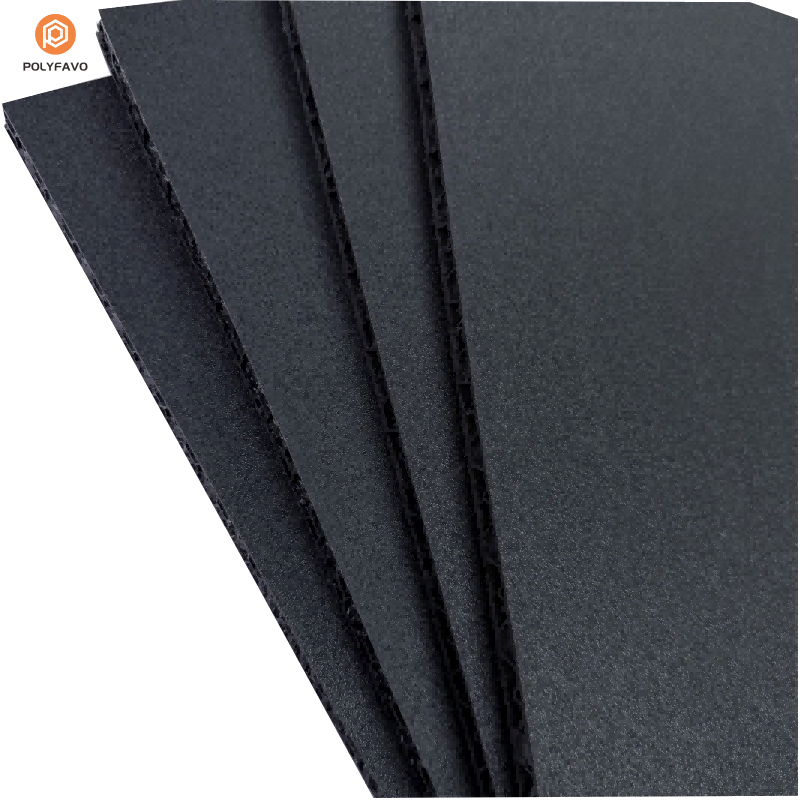
On any active construction site, surfaces face constant threats from heavy foot traffic, dropped tools, spilled materials, and rolling equipment. Without proper floor protection in place from day one, costly damage can occur that delays project timelines and inflates budgets. Whether you are managing a new build or a renovation, taking a structured approach to floor protection is not optional — it is a fundamental part of professional site management.
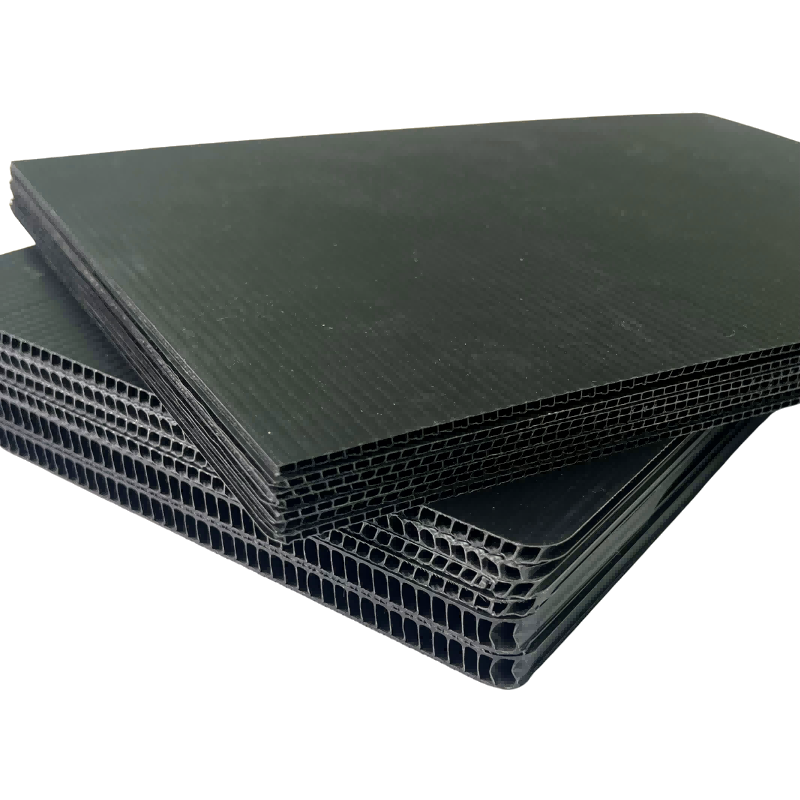
Effective floor protection involves selecting the right materials, applying them correctly at each phase, and maintaining them throughout the project. The goal is to deliver finished flooring — whether hardwood, tile, polished concrete, or luxury vinyl — in the exact condition it was installed. This guide covers practical, proven tips to help site managers, contractors, and project owners achieve reliable floor protection across all construction stages.
Assessing Floor Protection Needs Before Work Begins
Identify the Flooring Type and Risk Level
Every floor protection decision should start with an honest assessment of the surface material and the specific risks it faces. Hardwood floors scratch easily and absorb moisture, making them highly vulnerable on an active site. Polished concrete and natural stone are heavy-duty but can chip or stain. Tile grout lines trap debris and can crack under concentrated load points. Matching your floor protection solution to the actual risk level of the surface ensures you are not under-protecting a fragile finish or over-spending on a surface that can tolerate moderate exposure.
Risk mapping across the site helps allocate floor protection resources efficiently. High-traffic corridors, entry points, and elevator lobbies typically need the most durable floor protection layers. Lower-traffic rooms may require lighter coverage. Creating a site-wide floor protection plan before any work begins saves time, prevents disputes, and keeps the project on schedule.
Define the Duration and Phases of Coverage
Floor protection must be planned to last the full duration of each relevant work phase. A common mistake is applying floor protection only during a single trade's work rather than maintaining it continuously. Once a floor protection layer is installed, it should remain in place until that zone of the building is essentially complete and handed over. Removing and reapplying floor protection repeatedly introduces gaps during which damage is most likely to occur.
Choosing the Right Floor Protection Materials
Temporary Board and Film Solutions
The most widely used floor protection materials on construction sites include corrugated cardboard boards, foam-backed polyethylene film, and rigid plastic sheeting. Each serves a different performance profile. Corrugated boards provide excellent impact resistance and are ideal for floor protection under heavy tools and equipment staging areas. Polyethylene film works well for floor protection against paint splatter, dust, and light foot traffic, especially over tile or polished surfaces. For areas where mechanical equipment will travel, rigid floor protection boards with interlocking edges provide superior load distribution.
Selecting a floor protection product that matches both the surface material and the type of construction activity occurring in that zone is essential. A film-only approach on a corridor used for material transport is insufficient floor protection and will fail quickly. Conversely, using heavy boards in a finished room with only light painting work is unnecessarily expensive. The best floor protection strategy layers materials intelligently based on real site conditions.
Adhesive and Non-Adhesive Options
One critical decision in floor protection is whether to use adhesive-backed or non-adhesive materials. Adhesive floor protection films bond directly to the surface and stay in place even under foot traffic, reducing the risk of slipping or edge curling. However, using the wrong adhesive on a sensitive floor type can leave residue or even pull up coatings. Non-adhesive floor protection solutions, like loose-lay boards, are easier to remove but may shift during heavy use. Always verify that any adhesive floor protection product is rated as residue-free for the specific floor material you are protecting.
Best Practices for Floor Protection Installation and Maintenance
Proper Installation Techniques
Even the best floor protection product will fail if installed poorly. Surfaces must be clean and dry before any floor protection material is applied. Debris trapped beneath floor protection can cause scratches when pressure is applied from above. Overlap seams by at least two to three inches to eliminate gaps where spills or dust can penetrate. Tape all seams and edges securely using tape that is compatible with the floor protection material and will not damage the floor surface beneath when removed.
In areas with heavy equipment movement, consider double-layering your floor protection to increase impact resistance. Communicate to all workers on site that floor protection must be respected and must not be intentionally removed or dragged aside for convenience. Assigning a specific person to monitor and maintain floor protection integrity reduces the likelihood of coverage failures that lead to damage claims at project handover.
Ongoing Inspection and Replacement
Floor protection does not function passively without any oversight. Regular inspection rounds should be scheduled — ideally at the start and end of each working day — to identify torn, saturated, or displaced floor protection sections. Wet floor protection that is not replaced promptly can trap moisture against a surface and cause warping, staining, or mold growth. Torn floor protection sections provide no meaningful coverage and should be replaced immediately to maintain the integrity of the overall protection system.
Keeping a supply of replacement floor protection materials on-site at all times ensures that repairs can be made immediately rather than being deferred. Documenting the condition of floor protection before and after each major work phase also provides a valuable record if any damage disputes arise between trades. This level of diligence around floor protection signals professionalism to clients and reduces costly end-of-project corrections.
FAQ
When should floor protection be installed during construction?
Floor protection should be installed immediately after a finished floor is laid and must remain in place until all subsequent trades have completed their work in that area. Waiting until damage has already occurred defeats the purpose. Early installation of floor protection prevents the need for costly repairs and protects the project schedule.
Can floor protection materials be reused on multiple projects?
Some floor protection materials, particularly rigid plastic boards and heavy-duty polypropylene sheets, are designed for multiple uses. Film-based floor protection products are typically single-use. Reusable floor protection options reduce long-term material costs and are a more sustainable choice for contractors who manage multiple sites annually.
What are the most common mistakes in construction floor protection?
The most common mistakes include installing floor protection over a dirty surface, using the wrong adhesive type for the floor material, failing to overlap seams adequately, and removing floor protection too early between work phases. Each of these errors compromises the effectiveness of floor protection and increases the risk of surface damage that must be repaired before handover.