EN
EN

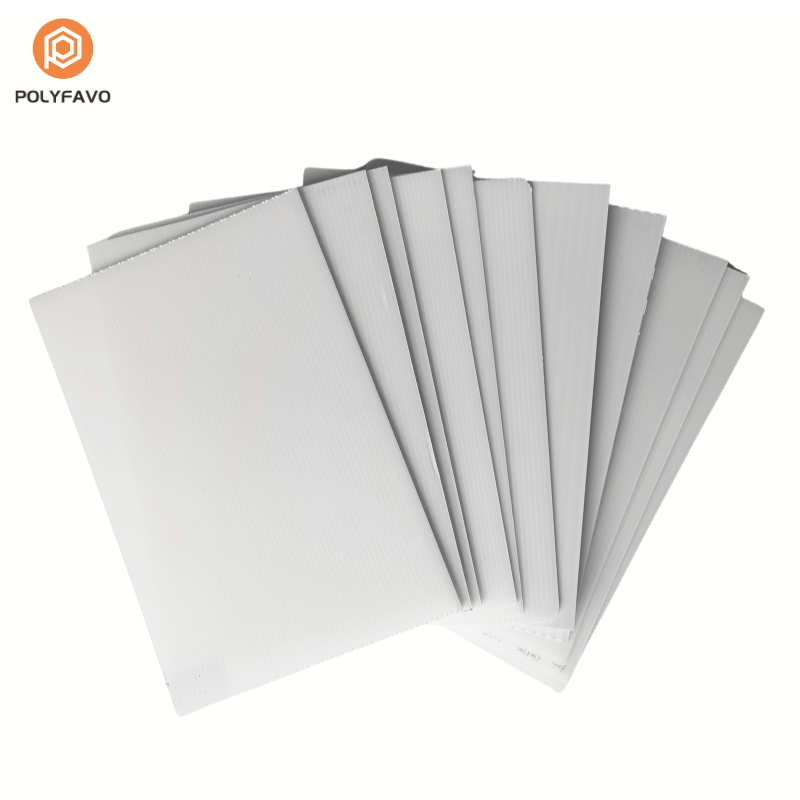
Recycling corrugated plastic is no longer a niche concern reserved for sustainability departments. As industries from agriculture to construction increasingly rely on corrugated plastic for signage, packaging, and protective sheeting, the volume of post-use material entering the waste stream has grown substantially. Understanding how to recycle this material responsibly is now a practical business priority, not just an environmental gesture.
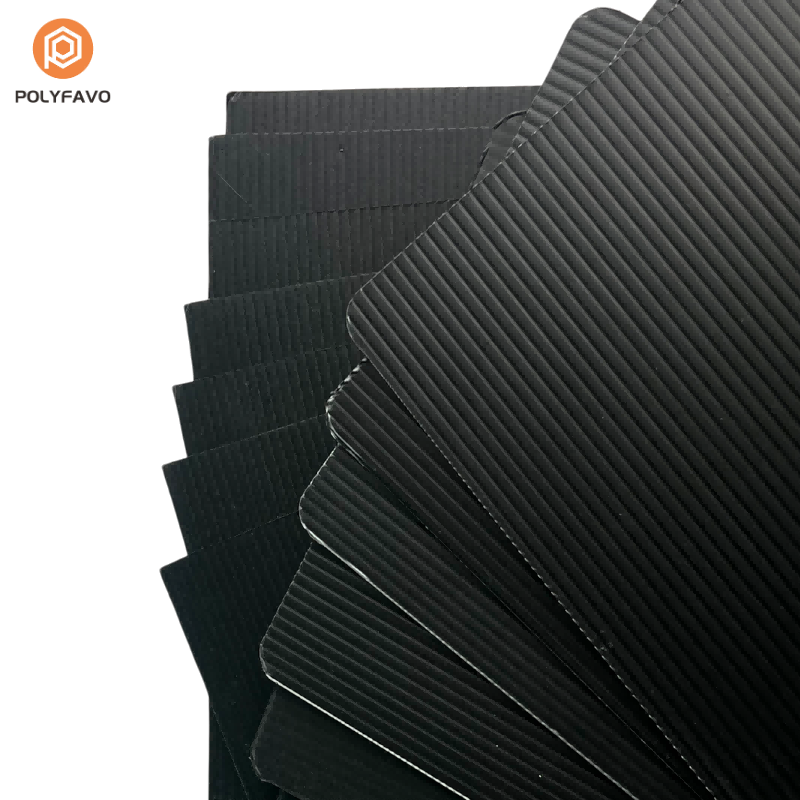
This guide walks through everything you need to know about recycling corrugated plastic sheets — from identifying the resin type and preparing material for collection, to understanding what happens during the recycling process and how businesses can build smarter end-of-life strategies. Whether you manage a fleet of reusable corrugated plastic boards or are disposing of single-use sheeting after a project, the information here will help you make informed, responsible decisions.
Understanding What Corrugated Plastic Is Made Of
The Dominant Resin: Polypropylene
Most corrugated plastic sheets on the market today are manufactured from polypropylene, commonly identified by the resin code PP or the number 5. This thermoplastic polymer is lightweight, chemically resistant, and highly durable, which is precisely why it became the material of choice for corrugated plastic applications. Polypropylene can be melted down and reformed multiple times without significant degradation of its core properties, making it technically well-suited for recycling.
The twin-wall fluted structure of corrugated plastic — two flat outer layers connected by internal ribs — is formed through an extrusion process that keeps the material uniform in composition. This structural consistency is actually an advantage during recycling, since the entire sheet is typically made from the same resin without mixed-material bonding. There are no adhesive layers or fiber components to separate, which simplifies the downstream processing considerably.
Some corrugated plastic products are made from high-density polyethylene, or HDPE, particularly in applications requiring greater chemical resistance or outdoor durability. HDPE carries resin code 2 and is one of the most widely accepted plastics in municipal and industrial recycling programs. Knowing which resin your corrugated plastic sheets are made from is the essential first step before initiating any recycling effort.
Why Resin Identification Matters Before Recycling
Mixing different resin types during recycling creates contamination problems that reduce the quality of the recycled output. A batch of polypropylene corrugated plastic contaminated with HDPE or PVC will produce a lower-grade recyclate that commands less value and has fewer viable end uses. For businesses generating large volumes of corrugated plastic waste, sorting by resin type before collection is a straightforward step that significantly improves recycling outcomes.
Most corrugated plastic sheets are stamped or labeled with a resin identification code, typically molded into the surface or printed on an edge. If the code is not visible, a simple float test can help distinguish polypropylene from HDPE — polypropylene sinks in water while HDPE floats. This basic check can prevent costly contamination at the recycling facility and ensures your material is directed to the correct processing stream.
Preparing Corrugated Plastic Sheets for Recycling
Cleaning and Decontamination
Corrugated plastic sheets used in agriculture, construction, or food-adjacent applications often carry residues that must be addressed before recycling. Soil, fertilizer, adhesive residue, paint, or food contact contamination can all interfere with the recycling process. Most recycling facilities that accept corrugated plastic require material to be reasonably clean and free of hazardous substances, though they do not typically demand laboratory-grade cleanliness.
A practical cleaning approach involves rinsing sheets with water and allowing them to dry fully before baling or stacking for collection. For corrugated plastic that has been used as a substrate for printed signage, removing adhesive vinyl or paper overlays before submission improves the quality of the recyclate. Adhesive residues in particular can cause processing issues at the shredding and washing stages of the recycling facility.
Corrugated plastic sheets that have been painted, coated with UV-blocking films, or laminated with non-polypropylene materials require special attention. These additions may disqualify the material from standard polypropylene recycling streams and may need to be directed to specialist processors. When in doubt, contacting the recycling facility directly to describe the material's surface treatment is always the right approach.
Size Reduction and Baling
Corrugated plastic is a bulky material with a low density relative to its volume. Transporting large quantities of loose corrugated plastic sheets is inefficient and costly. Most industrial recyclers prefer material that has been size-reduced — either cut into smaller sections or baled under compression — to maximize transport efficiency and reduce handling costs at the facility.
Baling corrugated plastic requires a horizontal or vertical baler capable of handling rigid plastic sheet material. The resulting bales are dense, stable, and easy to palletize for transport. For businesses generating corrugated plastic waste on a regular basis, investing in or sharing access to a baler can substantially reduce the per-unit cost of recycling and make the logistics of collection far more manageable.
If baling equipment is not available, cutting corrugated plastic sheets into smaller panels and stacking them flat is an acceptable alternative for many collection programs. The key objective is to reduce the air volume within the load so that transport costs remain proportional to the actual material weight being moved.
The Corrugated Plastic Recycling Process Explained
Shredding and Granulation
Once corrugated plastic arrives at a recycling facility, the first mechanical step is typically shredding. Industrial shredders break the sheets into irregular fragments, collapsing the twin-wall structure and reducing the material to a manageable particle size. This initial size reduction is important because the hollow fluted channels in corrugated plastic trap air and make the material difficult to process in its original form.
After shredding, the material passes through a granulator that produces uniform plastic flakes or granules. These granules are the intermediate form of the recycled corrugated plastic that will be used in subsequent processing steps. The granulation stage also helps expose any remaining contaminants — soil, adhesive, or foreign material — that can then be separated through washing.
Washing, Drying, and Pelletizing
Granulated corrugated plastic is washed in a hot water bath with detergent to remove surface contamination. The wash water is typically recirculated and filtered to minimize water consumption. After washing, the granules are centrifuged and then passed through a thermal drying system to remove residual moisture before the next stage.
Clean, dry granules of recycled corrugated plastic are then fed into an extruder, where they are melted and forced through a die to produce uniform pellets. These recycled polypropylene or HDPE pellets are the commercial output of the recycling process. They can be sold to manufacturers as a secondary raw material and used to produce a wide range of plastic products, including new corrugated plastic sheets, injection-molded components, or plastic lumber.
The quality of the recycled pellets depends heavily on the cleanliness and resin purity of the input material. High-quality recycled corrugated plastic feedstock can produce pellets that approach the performance characteristics of virgin resin, while contaminated or mixed-resin inputs yield lower-grade material suitable only for less demanding applications. This is why preparation and sorting at the source have such a direct impact on the value of the recycled output.
Business Strategies for Corrugated Plastic Recycling
Setting Up a Collection Program
For businesses that use corrugated plastic at scale — in retail display, construction hoarding, agricultural protection, or event signage — establishing a structured collection program is the most effective way to ensure consistent recycling outcomes. A collection program typically involves designated storage areas for used corrugated plastic, a cleaning and sorting protocol, and a scheduled pickup arrangement with a recycling partner or waste management provider.
The economics of corrugated plastic recycling improve significantly with volume. A single pallet of corrugated plastic sheets may not justify a dedicated collection run, but a regular accumulation of material across multiple projects or locations creates a viable recycling stream. Businesses that can aggregate corrugated plastic waste from multiple sites or partner with neighboring operations to consolidate volumes will find it easier to access recycling services at competitive rates.
Some corrugated plastic manufacturers and distributors operate take-back programs that accept used sheets for recycling or refurbishment. These programs are particularly common in the reusable packaging and agricultural sectors, where corrugated plastic products are designed for multiple use cycles before end-of-life disposal. Checking whether your supplier offers a take-back option is a practical first step before seeking third-party recycling services.
Closed-Loop and Circular Economy Approaches
The most resource-efficient approach to corrugated plastic recycling is a closed-loop system, where post-use material is collected, recycled, and reintroduced into the production of new corrugated plastic sheets. This circular model reduces dependence on virgin polypropylene, lowers the carbon footprint of the product lifecycle, and can provide cost advantages when recycled resin prices are favorable relative to virgin material.
Closed-loop recycling for corrugated plastic is most feasible when the material is used in a controlled environment — such as a distribution center, greenhouse operation, or construction site — where collection can be managed systematically. Open-loop applications, such as outdoor signage or event displays, present greater collection challenges because the material is dispersed across many locations after use.
Businesses committed to circular economy principles can work with their corrugated plastic suppliers to specify products with a defined recycled content percentage and establish contractual take-back arrangements. This approach aligns procurement, operations, and sustainability goals around a coherent material lifecycle strategy rather than treating recycling as an afterthought.
Common Challenges in Recycling Corrugated Plastic
Contamination and Mixed Materials
The most frequently cited challenge in recycling corrugated plastic is contamination. Sheets that have been used in direct contact with chemicals, pesticides, or food waste may be rejected by standard recycling facilities due to health and safety regulations. Corrugated plastic that has been printed with solvent-based inks, coated with UV-resistant films, or laminated with non-compatible materials also presents processing difficulties that can reduce the value or recyclability of the material.
Addressing contamination challenges requires proactive material management during the use phase, not just at end of life. Specifying corrugated plastic products with water-based inks, removable adhesive films, and compatible coatings makes the recycling process significantly more straightforward. When procurement decisions account for end-of-life recyclability, the overall sustainability performance of corrugated plastic applications improves substantially.
Access to Recycling Infrastructure
Not all regions have equal access to facilities capable of processing corrugated plastic. While polypropylene and HDPE are widely recycled in industrial contexts, municipal curbside programs in many areas do not accept rigid plastic sheeting of the type used in corrugated plastic products. Businesses in areas with limited local recycling infrastructure may need to work with specialist plastic recyclers who operate regional or national collection networks.
Online directories maintained by plastic industry associations and recycling certification bodies can help identify facilities that accept corrugated plastic in specific regions. Providing clear material specifications — resin type, approximate volume, contamination status, and form factor — when contacting potential recycling partners will accelerate the process of finding a suitable outlet for your corrugated plastic waste.
FAQ
Can all types of corrugated plastic be recycled?
Most corrugated plastic made from polypropylene or HDPE can be recycled through industrial plastic recycling programs. However, corrugated plastic that has been laminated with incompatible materials, heavily contaminated with hazardous substances, or made from mixed resins may not be accepted by standard facilities. Checking the resin identification code and contacting your local recycling provider to confirm acceptance criteria is always recommended before submitting material.
Is recycled corrugated plastic as strong as virgin material?
Recycled corrugated plastic made from high-quality, clean feedstock can achieve mechanical properties close to those of virgin polypropylene or HDPE. The key variables are the purity of the input material and the number of previous recycling cycles the resin has undergone. For most standard applications — signage, packaging, agricultural sheeting — recycled corrugated plastic performs adequately. For highly demanding structural or chemical-resistance applications, material specifications should be verified with the supplier.
How should I store corrugated plastic sheets before recycling collection?
Used corrugated plastic sheets should be stored flat, stacked, and kept dry before collection. Exposure to prolonged UV radiation or moisture does not typically prevent recycling, but it can degrade the material quality. Keeping sheets clean and protected from further contamination during the storage period helps maintain the value of the recyclate. If possible, baling or bundling the material reduces storage space requirements and simplifies logistics when the collection vehicle arrives.
Does recycling corrugated plastic save money compared to landfill disposal?
The economics depend on local landfill gate fees, the volume of corrugated plastic being disposed of, and whether the material has sufficient value as a recyclate to offset collection costs. In many industrial markets, high-volume generators of clean corrugated plastic can negotiate zero-cost or even revenue-generating recycling arrangements because the material has genuine secondary market value. Landfill disposal, by contrast, incurs a direct cost with no material recovery benefit. For businesses generating significant quantities of corrugated plastic waste, recycling is typically the more cost-effective option over the medium term.