EN
EN

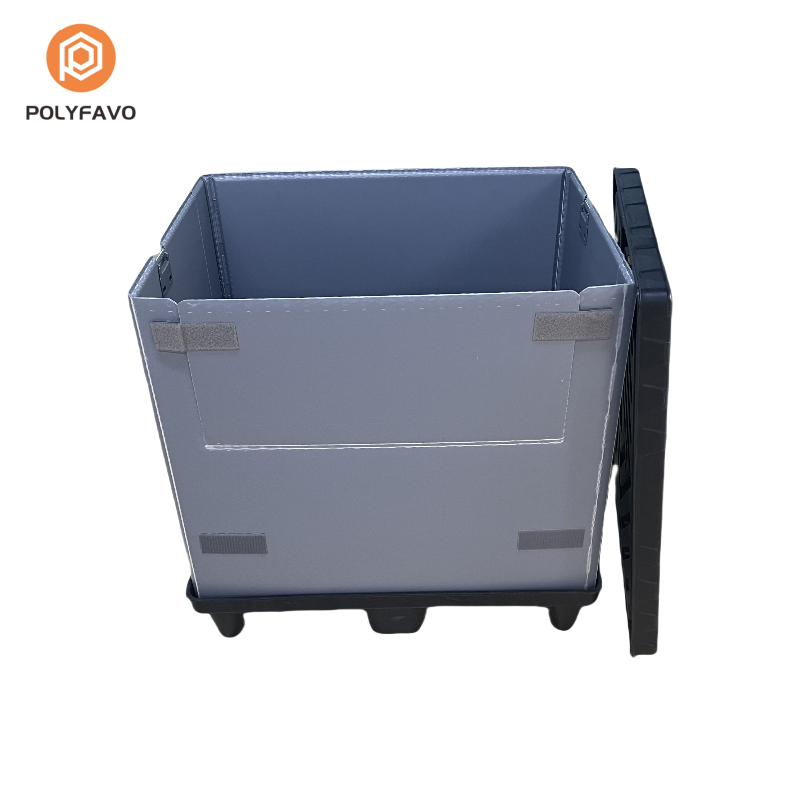
The modern supply chain increasingly demands sustainable packaging solutions that balance operational efficiency with environmental responsibility. A gaylord box represents one of the most versatile and eco-friendly approaches to bulk material handling, offering businesses significant opportunities to reduce waste, lower costs, and meet sustainability goals through strategic reuse and recycling practices. Understanding how to maximize the lifecycle of these large corrugated containers transforms them from single-use items into valuable assets that support circular economy principles.
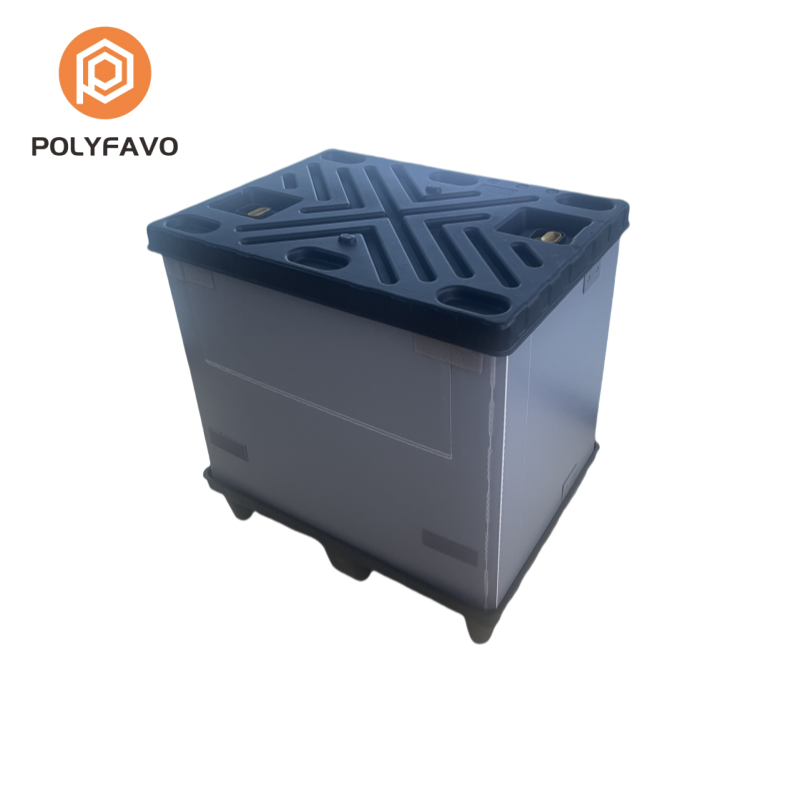
The transition toward sustainable packaging practices has elevated the importance of reusing and recycling bulk containers across industries. Each gaylord box typically supports multiple reuse cycles before requiring recycling, creating substantial environmental and economic benefits when managed properly. Implementing comprehensive reuse and recycling strategies for these containers requires understanding their structural limitations, contamination factors, and the specific requirements of different applications to ensure both safety and sustainability objectives are met effectively.
Understanding Gaylord Box Reuse Potential
Structural Integrity Assessment
The reusability of a gaylord box depends primarily on its structural condition after initial use. These corrugated containers are engineered to handle specific weight capacities and moisture levels, making it essential to evaluate each unit's remaining strength before redeployment. Visual inspection should focus on corner integrity, bottom panel condition, and sidewall stability to determine whether the container can safely support another load cycle.
Professional assessment involves checking for compression damage, moisture-related degradation, and stress fractures that could compromise load security. A properly maintained gaylord box can typically withstand three to five reuse cycles when handling dry goods, though this number decreases significantly when exposed to moisture or chemical contamination. Understanding these limitations prevents safety incidents while maximizing the economic value of each container.
Edge crush strength testing provides quantitative data about remaining structural capacity, helping logistics managers make informed decisions about reuse suitability. This testing becomes particularly important when transitioning containers between different product types or shipping configurations that may impose varying stress patterns on the corrugated structure.
Contamination Management
Effective contamination control determines whether a gaylord box can be safely reused across different applications. Food-grade containers require the most stringent decontamination protocols, often necessitating complete sanitization or limiting reuse to similar product categories. Industrial applications may allow more flexibility, but chemical residues, oil contamination, or particulate matter can still restrict reuse options.
Cleaning protocols must match the contamination type and intended next use. Surface cleaning with approved solvents may suffice for light contamination, while deeper penetration of oils or chemicals might render a container unsuitable for reuse. Documentation of previous contents helps establish appropriate cleaning procedures and compatibility with future applications.
Cross-contamination prevention becomes critical when reusing containers across different product lines or industries. Establishing clear segregation procedures and tracking systems ensures that each maintains appropriate cleanliness standards throughout its reuse lifecycle, protecting product quality and regulatory compliance simultaneously.
Implementing Systematic Reuse Programs
Collection and Sorting Systems
Successful gaylord box reuse programs begin with organized collection systems that capture containers before they enter waste streams. Strategic placement of collection points at shipping docks, warehouse areas, and production facilities ensures maximum recovery rates while maintaining operational efficiency. Clear labeling and employee training help distinguish reusable containers from those destined for recycling or disposal.
Sorting criteria should account for structural condition, contamination level, and intended next use to streamline the refurbishment process. Creating standardized evaluation checklists helps maintain consistent quality standards while reducing the time required for assessment. Digital tracking systems can record each container's history, enabling data-driven decisions about reuse frequency and retirement timing.
Integration with existing warehouse management systems allows real-time tracking of reusable gaylord box inventory, optimizing allocation based on demand patterns and container availability. This systematic approach transforms ad-hoc reuse practices into strategic operations that deliver measurable environmental and economic benefits.
Refurbishment and Quality Control
Professional refurbishment extends the useful life of each gaylord box while maintaining safety standards required for bulk material handling. Basic repairs might include reinforcing weakened corners with additional tape or corrugated patches, while more extensive refurbishment could involve replacing damaged panels or applying protective coatings to enhance durability.
Quality control protocols ensure that refurbished containers meet the same safety standards as new units. Load testing, moisture resistance evaluation, and structural integrity verification provide objective measures of container readiness for redeployment. These procedures protect both product integrity and worker safety while maintaining confidence in reused packaging systems.
Documentation of refurbishment activities creates valuable data for optimizing maintenance procedures and predicting container lifecycle patterns. This information helps refine collection criteria, improve repair techniques, and establish more accurate cost-benefit analyses for reuse programs across different operational contexts.
Strategic Recycling When Reuse Ends
Optimal Recycling Timing
Determining the optimal point for transitioning a gaylord box from reuse to recycling requires balancing safety considerations with environmental impact. Containers showing significant structural degradation, persistent contamination, or repeated handling damage should enter recycling streams before compromising load security or product quality. Early identification of these conditions prevents costly incidents while maintaining sustainable material flows.
Economic analysis of repair costs versus replacement expenses helps establish clear retirement criteria for different container types and applications. When refurbishment costs exceed a predetermined percentage of new container value, recycling becomes the more sustainable option from both financial and environmental perspectives.
Seasonal demand patterns may influence recycling timing, with periods of high container demand potentially justifying extended refurbishment efforts, while slower periods might favor more aggressive retirement criteria. Understanding these patterns optimizes resource allocation while maintaining adequate inventory levels for operational needs.
Maximizing Recycling Value
Proper preparation maximizes the recycling value of retired gaylord box units while supporting circular economy principles. Removing all tape, labels, and non-corrugated materials ensures clean feedstock for recycling processes, potentially commanding higher commodity prices. Separating different grades of corrugated material further optimizes recycling efficiency and value recovery.
Partnership with certified recycling facilities ensures that retired containers enter legitimate recycling channels rather than waste streams. These relationships often provide documentation required for sustainability reporting while potentially offering preferred pricing for consistent, high-quality feedstock volumes.
Timing recycling activities to coincide with favorable commodity pricing can significantly impact the economic returns from retired container materials. Market awareness and flexible storage capabilities allow organizations to optimize recycling revenue while maintaining steady operational disposal capacity.
Measuring Environmental and Economic Impact
Sustainability Metrics
Quantifying the environmental benefits of gaylord box reuse and recycling programs requires comprehensive tracking of material flows, energy savings, and waste diversion rates. Each reuse cycle typically prevents the consumption of virgin raw materials equivalent to manufacturing a new container, while recycling recovers valuable fiber for future packaging applications.
Carbon footprint calculations should account for transportation impacts, refurbishment energy requirements, and the avoided emissions from reduced manufacturing demand. These metrics provide concrete data for sustainability reporting while justifying program investments to stakeholders focused on environmental responsibility.
Water consumption reduction represents another significant environmental benefit, as manufacturing new corrugated containers requires substantial water resources for pulping and processing operations. Tracking these savings helps organizations understand the broader environmental impact of their sustainable packaging initiatives.
Cost-Benefit Analysis
Comprehensive cost-benefit analysis of gaylord box reuse programs must account for collection costs, refurbishment expenses, quality control activities, and potential liability risks. These costs should be compared against the avoided expenses of purchasing new containers, waste disposal fees, and potential recycling revenue to establish program viability.
Labor costs for collection, sorting, and refurbishment activities often represent the largest program expense, making operational efficiency critical for economic success. Automation opportunities, process optimization, and volume economies can significantly improve program economics while maintaining quality standards.
Risk management considerations include potential product damage from container failure, regulatory compliance costs, and insurance implications. Proper risk assessment and mitigation strategies ensure that sustainability initiatives do not compromise operational safety or financial performance.
FAQ
How many times can a gaylord box be safely reused before recycling?
A typical gaylord box can be safely reused three to five times when handling dry goods, depending on the structural condition, load requirements, and storage conditions. Containers exposed to moisture, chemicals, or extreme handling may have shorter reuse lifecycles. Regular structural assessments and load testing help determine the optimal retirement point for each container.
What cleaning methods are acceptable for preparing used gaylord boxes for reuse?
Cleaning methods depend on the contamination type and intended next use. Surface cleaning with dry brushing or approved solvents works for light contamination, while food-grade applications may require sanitization with food-safe cleaning agents. Chemical contamination often makes containers unsuitable for reuse, necessitating recycling instead. Always ensure complete drying before storage or reuse.
Are there regulatory restrictions on reusing gaylord boxes for food products?
Food safety regulations typically restrict the reuse of packaging materials that have contacted food products, unless proper sanitization procedures are followed and documented. Many organizations limit food-grade container reuse to similar product categories to minimize cross-contamination risks. Consulting with regulatory experts ensures compliance with local food safety requirements.
What documentation is needed to track gaylord box reuse and recycling for sustainability reporting?
Effective sustainability reporting requires tracking the number of containers reused, total reuse cycles achieved, recycling volumes and timing, avoided raw material consumption, and estimated environmental benefits. Digital tracking systems should record container history, refurbishment activities, and final disposition to provide comprehensive data for environmental impact calculations and regulatory reporting requirements.
Table of Contents
- Understanding Gaylord Box Reuse Potential
- Implementing Systematic Reuse Programs
- Strategic Recycling When Reuse Ends
- Measuring Environmental and Economic Impact
-
FAQ
- How many times can a gaylord box be safely reused before recycling?
- What cleaning methods are acceptable for preparing used gaylord boxes for reuse?
- Are there regulatory restrictions on reusing gaylord boxes for food products?
- What documentation is needed to track gaylord box reuse and recycling for sustainability reporting?