EN
EN

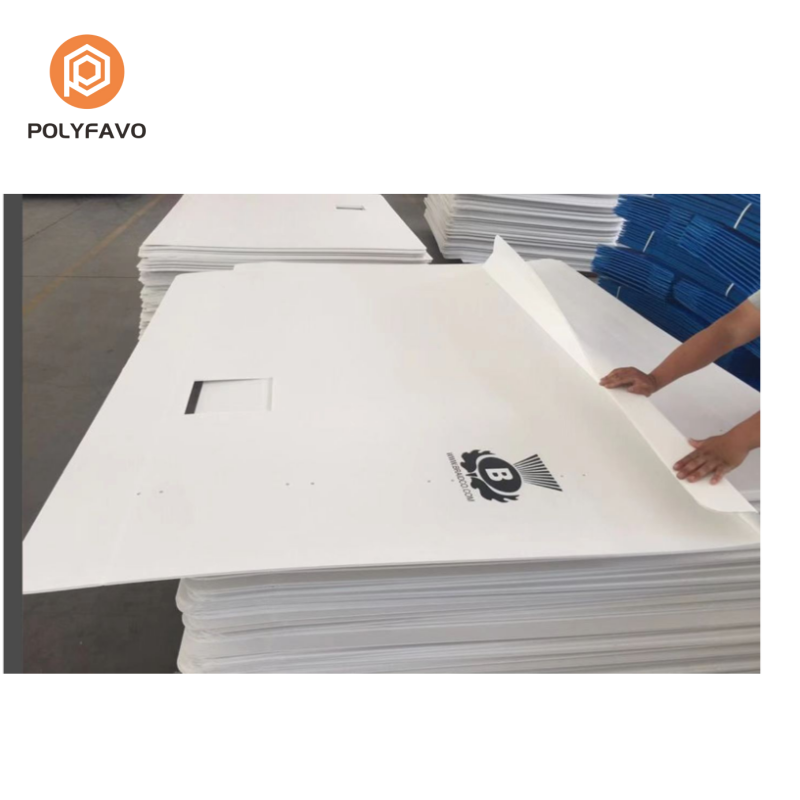
In today's construction and manufacturing industries, protecting valuable surfaces during installation, renovation, and transport has become a critical concern. Professional contractors and facility managers increasingly rely on specialized protective materials to prevent costly damage to floors, walls, and equipment. The surface protection roll has emerged as an essential solution, offering versatile coverage that safeguards investments while maintaining operational efficiency. These innovative protective materials combine durability with ease of application, making them indispensable for various industrial and commercial applications.
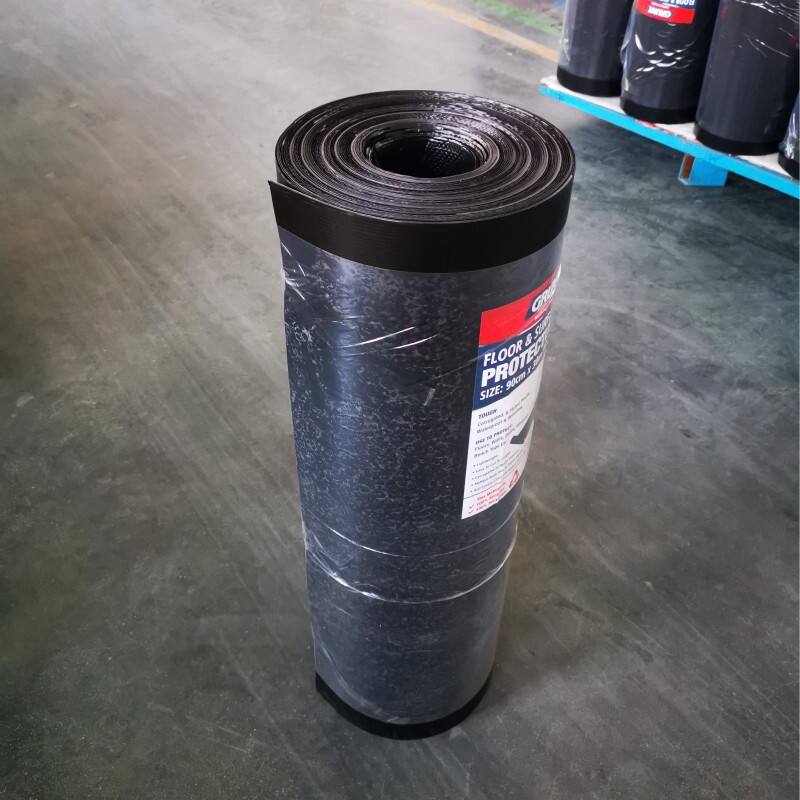
The evolution of surface protection technology has transformed how businesses approach preventive maintenance and project management. Modern protective films and boards offer superior adhesion properties without leaving residue, while providing excellent resistance to punctures, tears, and moisture. Understanding the specific characteristics and applications of different protective materials enables informed decision-making for project managers seeking optimal protection solutions.
Understanding Surface Protection Materials
Polypropylene Bubble Technology
Polypropylene bubble guard boards represent a significant advancement in protective material engineering. These specialized films incorporate air-filled bubbles within a robust polypropylene matrix, creating exceptional cushioning properties while maintaining lightweight characteristics. The bubble structure provides superior impact absorption, making these materials ideal for protecting delicate surfaces from mechanical damage during construction activities.
The manufacturing process involves extruding polypropylene resin into precise bubble formations, ensuring consistent thickness and protective performance across the entire material width. Advanced production techniques guarantee uniform bubble distribution, eliminating weak points that could compromise protection effectiveness. This attention to manufacturing detail results in reliable performance across diverse application environments.
Temperature resistance constitutes another crucial advantage of polypropylene-based protection systems. These materials maintain their protective properties across wide temperature ranges, from sub-zero storage conditions to elevated installation environments. Such thermal stability ensures consistent performance regardless of seasonal variations or specific application requirements.
Adhesive System Integration
Modern surface protection rolls incorporate sophisticated adhesive technologies designed to provide secure attachment without compromising underlying surfaces. Low-tack adhesive formulations ensure easy removal after project completion while maintaining sufficient holding power during extended installation periods. This balance between adhesion and removability represents a critical engineering achievement in protective material development.
Adhesive selection depends heavily on substrate characteristics and environmental conditions. Smooth surfaces like polished concrete or ceramic tiles require different adhesive properties compared to textured surfaces such as carpet or rough stone. Professional-grade protection systems offer various adhesive options to accommodate diverse surface types and application requirements.
The timing of adhesive activation plays a vital role in installation success. High-quality protective films feature pressure-sensitive adhesives that activate gradually, allowing repositioning during initial application while developing full bond strength over time. This characteristic prevents premature bonding mistakes while ensuring secure long-term attachment.
Industrial Applications and Use Cases
Construction Project Protection
Construction environments present numerous challenges for surface protection, from heavy foot traffic to equipment movement and material spillage. The surface protection roll provides comprehensive coverage for floors, walls, and fixtures throughout construction phases. Its durability withstands the demanding conditions typical of active job sites while maintaining protective integrity.
Flooring protection during construction requires materials capable of handling significant mechanical stress. Heavy machinery, material carts, and construction debris can cause permanent damage to finished surfaces without proper protection. Professional-grade protective films distribute loads effectively, preventing point loading that could crack tiles or dent hardwood floors.
Multi-phase construction projects benefit from protective materials that maintain their effectiveness over extended periods. Quality protection systems resist UV degradation, moisture infiltration, and chemical exposure that commonly occur during lengthy construction timelines. This longevity reduces replacement costs and maintains consistent protection throughout project duration.
Manufacturing and Warehouse Operations
Manufacturing facilities utilize surface protection for equipment maintenance, facility upgrades, and production line modifications. Protective films prevent contamination during maintenance activities while safeguarding expensive machinery surfaces from welding spatter, chemical exposure, and mechanical damage. The removable nature of these materials allows normal operations to resume immediately upon completion of maintenance activities.
Warehouse operations frequently require temporary floor protection during inventory relocations or facility reorganizations. Forklift traffic, pallet movement, and equipment installation can cause significant surface damage without appropriate protection. Durable protective materials withstand repeated loading cycles while providing slip-resistant surfaces for enhanced worker safety.
Clean room environments demand specialized protection solutions that meet stringent contamination control requirements. Low-outgassing protective materials prevent chemical emissions that could compromise sensitive manufacturing processes. These specialized applications require careful material selection to ensure compatibility with existing environmental controls.
Installation Techniques and Best Practices
Surface Preparation Requirements
Proper surface preparation forms the foundation of effective protection system performance. Thoroughly cleaning surfaces removes dust, debris, and contaminants that could interfere with adhesive bonding or create puncture points beneath protective films. Professional cleaning protocols ensure optimal adhesion while preventing premature failure of protection systems.
Surface moisture content significantly affects adhesive performance and long-term protection effectiveness. Excessive moisture can prevent proper adhesive bonding, while completely dry surfaces may not provide optimal adhesion characteristics. Measuring surface moisture levels using appropriate instrumentation ensures ideal conditions for protective film installation.
Temperature conditions during installation influence both adhesive activation and film flexibility. Cold temperatures may require extended activation periods for full adhesive development, while excessive heat can cause premature adhesive activation or film distortion. Monitoring installation conditions ensures optimal performance outcomes.
Application Methods and Techniques
Professional installation techniques maximize protective effectiveness while minimizing installation time and material waste. Systematic application patterns ensure complete coverage without gaps or overlaps that could compromise protection. Starting from clean edges and working systematically across surfaces prevents air entrapment and ensures smooth, professional-appearing installations.
Rolling techniques during application eliminate air bubbles and ensure uniform adhesive contact across the entire protected surface. Professional-grade application tools distribute pressure evenly, preventing localized stress concentrations that could cause film tearing or adhesive failure. Proper rolling patterns create smooth, wrinkle-free installations that maintain protective integrity.
Edge sealing and trimming require precision to prevent moisture infiltration and ensure professional appearance. Sharp trimming tools create clean edges that resist lifting, while proper sealing techniques prevent contamination beneath protective films. Attention to edge details significantly extends protection system lifespan and effectiveness.
Performance Characteristics and Testing
Durability and Longevity Factors
Comprehensive testing protocols evaluate protective material performance under realistic operating conditions. Accelerated aging tests simulate extended exposure periods, while mechanical testing verifies puncture resistance and tear strength. These standardized evaluations ensure consistent performance across different manufacturing batches and application conditions.
Chemical resistance testing examines protective material compatibility with common construction chemicals, cleaning agents, and environmental contaminants. Superior materials maintain their protective properties when exposed to alkaline concrete, acidic cleaning solutions, and petroleum-based substances commonly encountered in industrial environments.
UV stability represents a crucial performance characteristic for applications involving natural light exposure. Advanced protective materials incorporate UV stabilizers that prevent degradation during extended outdoor exposure or in areas with significant natural lighting. This stability ensures consistent protection throughout the entire service life.
Environmental Impact Considerations
Sustainable protective materials address growing environmental concerns while maintaining superior performance characteristics. Recyclable polypropylene formulations allow end-of-life material recovery, reducing landfill burden and supporting circular economy principles. These environmental considerations increasingly influence material selection decisions across various industries.
Manufacturing processes for modern protective materials emphasize energy efficiency and waste reduction. Advanced production techniques minimize material waste while optimizing product performance characteristics. These efficiency improvements reduce environmental impact while maintaining competitive pricing for end users.
Low-emission formulations address indoor air quality concerns in sensitive environments. Protective materials meeting stringent emission standards prevent contamination of occupied spaces while providing necessary surface protection. This characteristic proves particularly important in healthcare facilities, educational institutions, and residential applications.
Cost-Benefit Analysis and Economic Considerations
Direct Cost Savings
Implementing comprehensive surface protection programs generates significant cost savings through damage prevention. Replacing damaged flooring, refinishing surfaces, or repairing equipment costs substantially more than proactive protection measures. Professional-grade protective materials provide excellent return on investment through prevention of costly repairs and replacements.
Labor cost reductions result from streamlined protection and cleanup procedures. Efficient protection systems reduce post-project cleaning requirements while eliminating time-consuming damage repair activities. These operational efficiencies translate directly into improved project profitability and shorter completion timelines.
Insurance cost considerations may favor comprehensive protection programs through reduced claims frequency and severity. Demonstrating proactive damage prevention measures can influence insurance premiums and coverage terms. Some insurance providers offer premium reductions for documented protection programs that reduce claim exposure.
Long-term Value Proposition
Asset preservation through effective protection programs extends facility lifespan and maintains property values. Protecting surfaces from damage preserves their appearance and functionality, reducing depreciation rates and maintenance requirements. This preservation directly impacts long-term asset value and return on investment calculations.
Reputation protection represents an intangible but valuable benefit of comprehensive surface protection programs. Preventing damage demonstrates professionalism and attention to detail, enhancing customer satisfaction and referral potential. These reputation benefits often exceed direct cost savings in competitive market environments.
Operational continuity benefits result from preventing damage-related disruptions and delays. Unprotected surfaces may require extensive repair work that interrupts normal operations or delays project completion. Effective protection programs ensure smooth operations and timely project delivery.
FAQ
How long can surface protection rolls remain installed before removal
Professional-grade surface protection rolls can typically remain installed for 30 to 90 days depending on environmental conditions and specific product formulations. High-quality materials maintain their protective properties and removability throughout this extended period. However, factors such as temperature extremes, UV exposure, and mechanical stress may influence optimal removal timing. Regular inspection of protected areas helps determine ideal removal schedules for specific applications.
What surfaces are compatible with bubble guard protection systems
Bubble guard protection systems work effectively on most smooth and semi-textured surfaces including hardwood floors, ceramic tiles, polished concrete, carpet, and painted walls. The low-tack adhesive formulations are designed to provide secure attachment without damaging underlying surfaces or leaving residue upon removal. However, highly textured surfaces or those with special coatings may require compatibility testing before full-scale application to ensure optimal performance.
Can surface protection materials be reused after removal
Most surface protection rolls are designed for single-use applications due to adhesive properties and potential contamination during initial use. However, lightly used materials in clean environments may retain some protective value for less demanding secondary applications. The adhesive effectiveness typically diminishes after initial removal, making reuse unsuitable for critical protection requirements. For best results and guaranteed protection, using fresh materials for each application ensures optimal performance.
How do I select the appropriate thickness for my protection needs
Thickness selection depends on expected traffic levels, potential impact sources, and duration of protection requirements. Light foot traffic applications typically require 2-4 mil thickness, while heavy construction activities may need 6-10 mil materials for adequate protection. Consider the types of equipment, materials, and activities that will occur over protected surfaces when selecting appropriate thickness levels. Consulting with protection material specialists helps ensure optimal thickness selection for specific application requirements.